Value-Based Care: What’s in It for Me?

The webinar and discussion explored the argument that–with or without COVID-19–every seniors housing organization must understand how providing access to healthcare services is now a part of their value proposition for both residents and investors.
The pandemic has thrust healthcare for seniors into the spotlight. The latest NIC Leadership Huddle event, titled, “Value-Based Care: What’s in It for Me?” explored how operators and their partners are navigating what is likely to become a new normal: bringing healthcare to seniors where they live. The webinar and discussion explored the argument that–with or without COVID-19–every seniors housing organization must understand how providing access to healthcare services is now a part of their value proposition for both residents and investors.

march24_huddle_1200

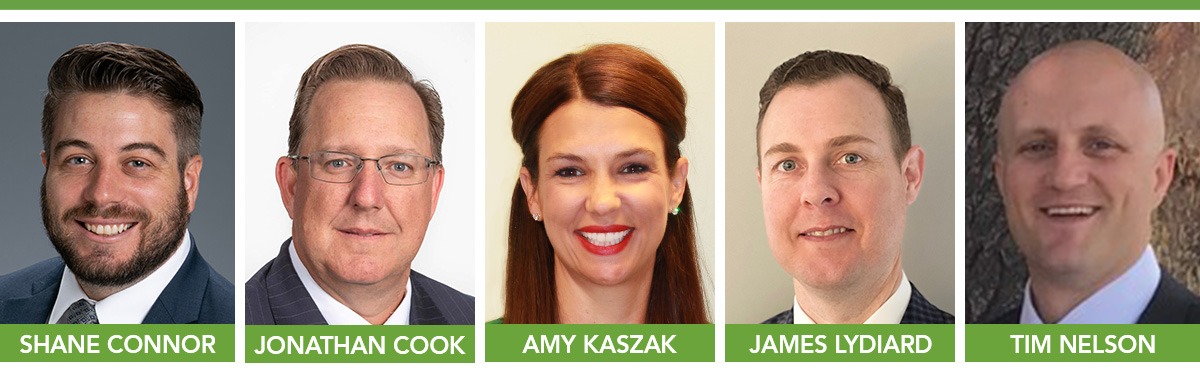
Two operators and a broker shared their approach to providing healthcare and participating in value-based care models. Each vignette was followed by live commentary from Jim Lydiard, vice president, Strive Health, and Amy Kaszak, president of Special Needs Plans, AllyAlign.

Kaszak, pointing to exploding healthcare costs and the expansion of value-based models, said, “As hospitals, therapy, primary care, home health, and skilled providers adapt to new payment models and incentives, senior housing communities–even those who do not bill for Medicare services–will have opportunities to engage in value-based relationships.”

Jonathan R. Cook, president and CEO, LifeSpire of Virginia, an operator of four CCRCs (or life plan communities), with 1,450 residents across the Commonwealth, walked through several key advantages of a recent partnership with AllyAlign. He pointed out that every hospital readmission takes up about five hours of a staff nurse’s time, filling out paperwork as residents are admitted and then returned. The new partnership has significantly decreased readmissions. Cook said, “Being able to take that five hours, over 30% of readmissions, and put those nurses and those team members back on the floor to provide more direct care – huge win for our clinical teams.”

Another advantage for Cook has been the implementation of advanced telehealth tech. Residents, particularly during the COVID-19 pandemic, fear making trips to the doctor, and this innovation allows them to receive the same level of care, while staying safe at home. Cook said, “By having one provider unite the care coordination on our campuses, it’s going to create better outcomes, better care management, and better care transitions for our residents. We believe that’s going to reduce costs, it’s going to reduce heartache, it’s going to reduce the anxiety that those residents and families have as they age and need more care programs and services.”

Kaszak, who is very familiar with the LifeSpire model, summarized, “The primary care team, in partnership with the community team, delivers the value, and the Medicare Advantage plan pays for the value and value-added services. Value-based payments go both to the primary care team and to the community.”

Tim Nelson, executive director, Mountain View Retirement, a senior living community in Tucson, Arizona, has seen significant benefits in a partnership with CareMore Health. “We’ve been able to retain our residents longer, give them a happier, healthier life while they’ve been with us, and we’ve also been able to build even stronger community partnerships, with our skilled nursing facilities, and even with the hospitals and different local physicians’ groups.” His community has seen a decrease in hospital readmissions, dropping from 16 percent down to 6.2 percent.

Nelson said, “We’ve been able to do direct admits from our assisted living and memory care, and sometimes even our independent living, straight to the skilled nursing facility and back to us.” CareMore staff are also always available to help facility staff, even when they’re not onsite. “We can call our providers and their support staff 24 hours a day, seven days a week,” said Nelson. Being able to showcase those abilities has been “a huge asset” when touring prospective new residents and their families.

Shane Connor, vice president-Senior Housing Group, Bull Realty offered an investor’s perspective on the integration of value-based care in senior housing. He sees multiple benefits. On recruitment and occupancy rates, he said, “The prospective resident, and certainly their family are ever-more aware of healthcare now than they have been, with COVID.” He said that being able to show integration of value-based care – or third-party partnerships – is now a competitive differentiator.

Healthcare integration also promises to significantly improve length of stay, which will boost occupancy rates. Connor also sees an advantage on staffing, as onsite or visiting clinical staff reduce burdens on facility staff, particularly with higher acuity residents. That can reduce costs. On valuations, Connor explained, “If you’re evaluating a group that implements value-based care, or is embracing value-based care, you’re going to be more confident that they’re going to keep people healthy and be able to keep those beds full. From a valuation standpoint, if I’ve maybe held this facility for five or six years, and we can show the impact that the value-based integration had, on the occupancy, on the bottom-line financials, then when I go to take that out to market for another prospective buyer, you may be able to command a higher dollar, a higher valuation.”

You can register to attend upcoming NIC Leadership Huddles, including both the live webinars as well as the optional, first come, first served participation in peer-to-peer discussions, within the Events tab on www.nic.org. Registrants are provided with a recording of the event, compliments of NIC, and our generous sponsors and partners.

A New Age in Caregiver Training: Virtual Reality’s Immersive Experience

For one, the year ushered in a wave of innovative strategies to combat loneliness in the face of social distancing.

Nestled among the many pain points of 2020 were a smattering of bright spots for the seniors housing and care industry. For one, the year ushered in a wave of innovative strategies to combat loneliness in the face of social distancing. Among the top strategies was the use of virtual reality – an area which saw a lot of growth and adoption among operators during the public health emergency. As I delved deeper into researching the topic, I learned that virtual reality – in addition to creating opportunities for socialization and stimulation – has been gaining traction as a staff training tool as well.

Embodied Labs’ person-centered caregiver training, for example, provides immersive learning experiences that mimic many of the common conditions and life transitions that impact people as they age. These lab experiences cover vision and hearing loss, Alzheimer’s Disease, end-of-life conversations, cognitive decline, and LGBT and transgender health and aging. In each of these experiences, the trainee becomes the viewer, and assumes a first-person perspective of how older adults experience different aging challenges.

Embodied LabsIn Embodied Labs’ virtual reality platform, proprietary software is combined with a virtual reality-ready gaming laptop and a tethered head-mounted display. The labs have found their place not only for existing caregiver staff to hone their skills, but also for caregivers-to-be. Georgetown University, for example, is now in its third year using the experiences with third-year medical students who choose to participate in a geriatric clerkship. For these medical students, this is a powerful  opportunity that really embodies the experience of older patients and is essential practice in being a doctor.

I spoke with Pamela Saunders, PhD, Associate Professor and Director of the Geriatrics Clerkship as well as Georgetown University’s Aging & Health Master’s program on how the Embodied Labs’ experiences are used to improve care for older adults. Dr. Saunders noted, “The idea really is to promote an understanding of the patient’s perspective for students. Students can read about macular degeneration, but to really experience how difficult it is to see with this disease is what we want them to walk away with.” Along with each experience, medical students do a pre- and post-assessment and share their reflections with their professors. “If I had my way, I’d have every medical student do it,” she continued. “It would be an inexpensive and easy way to provide training to students in geriatric medicine and embody the patients’ perspective.”

The virtual reality experiences aren’t just limited to students. Benedictine Living Community-Winona is an assisted living, memory care, and skilled nursing community serving approximately 200 residents in Winona, Minnesota. On the Winona campus is a CNA Training Center, used not just by Benedictine Living staff, but also nursing students from the three nearby colleges. In 2018, a Bremmer Trust Fund grant provided the training center with eight virtual reality headsets to be used with “The Beatriz Lab”, Embodied Lab’s Alzheimer’s module.

I spoke with Jenna Barkeim, RN/CNA Training Instructor at Benedictine Living about the impact of the CNA Training Center and the new Embodied Lab’s training modules. Jenna recalled working as a CNA on the Memory Care Unit and thinking how hard it is to prepare someone for working in an environment like that. “While staff reactions to the training module varies,” Jenna says, “I feel the experiences are really impactful for everyone, especially those that had or have loved ones with Alzheimer’s. I believe our staff is more understanding and sympathetic after viewing these modules.”

Currently, the CNA Training Center at Benedictine Living Community of Winona utilizes all the modules from Embodied Labs and is currently working to incorporate “The Frank Lab,” which is the recently released training program on social isolation and loneliness. As has been highlighted during the COVID-19 public health emergency of the last year, loneliness and isolation is a national public health problem with a very real impact to an individual’s health and well-being.

When it comes to training the caregivers of America’s older adults, there needs to be more than just reading and listening. Virtual reality training experiences, which are now more portable and affordable than ever, give students and trainees an incredibly immersive experience, allowing them to understand various conditions more fully from a first-person perspective. This ultimately produces a more empathetic and compassionate caregiver, which benefits everyone involved.

4Q2020 NIC MAP Seniors Housing Actual Rates Report Key Takeaways

The NIC MAP® Data Service recently released national monthly data through December 2020 for actual rates and leasing velocity. In this release, NIC also provided data on three metropolitan areas:  Atlanta, Philadelphia, and Phoenix. 

The NIC MAP® Data Service recently released national monthly data through December 2020 for actual rates and leasing velocity. In this release, NIC also provided data on three metropolitan areas:  Atlanta, Philadelphia, and Phoenix.  

Slide1-2

A few key takeaways from the 4Q2020 NIC MAP Seniors Housing Actual Rates Report are listed below. Full access to the reports and other takeaways is available to NIC MAP® Data Service clients.  

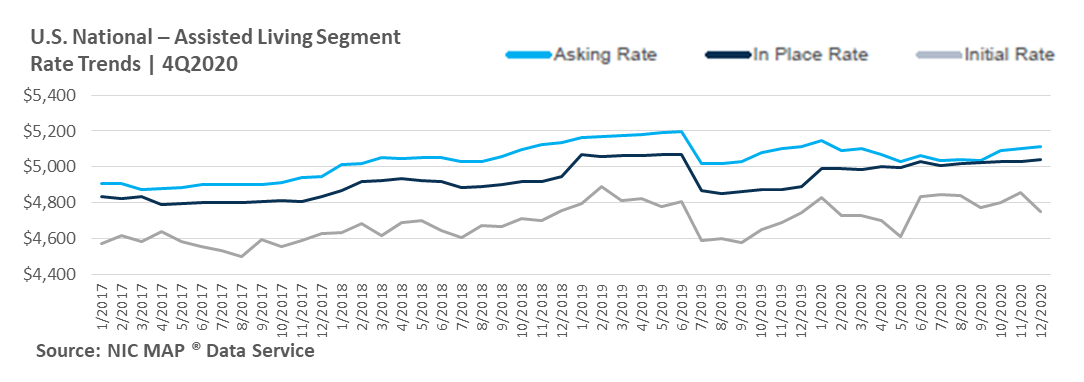
  • Average initial rates for residents moving into independent living, assisted living and memory care segments were below average asking rates, with monthly spreads generally largest for memory care. Care segments refer to the levels of care and services provided to a resident living in an assisted living, memory care or independent living unit.
  • The average discount for the memory care segment was the largest of the three care segments in December 2020 and averaged 10.2% below average asking rates. This equates to an average initial rate discount of 1.2 months on an annualized basis, the highest level of discounting for memory care since April 2020.
  • As of December 2020, initial rates for assisted living care units averaged 7.1% ($364) below average asking rates. This equates to an average initial rate discount of 0.9 months on an annualized basis, even with one year earlier.
  • The average annualized discount for independent living segments was 0.8 months in December 2020, more than in December 2019 at 0.6 months.
  • Average in-place rates for residents in assisted living and memory care segments were below average asking rates. The discount was smaller for in-place rates than initial rates compared with asking rates.
  • The rate of move-outs has exceeded or equaled the rate of move-ins for each of the prior twelve months for both the independent living and assisted living segments, and for five of the last twelve months for the memory care segment as of December 2020. The difference between the pace of move-outs and move-ins was widest in the immediate aftermath of the pandemic start in the March, April, and May period.

The NIC Actual Rates Data Initiative is driven by the need to continually increase transparency in the seniors housing sector and achieve greater parity to data that is available in other real estate asset types. Now, more than ever, in the world of the COVID-19 pandemic, having access to accurate data on the actual monthly rates that a seniors housing resident pays compared to property level asking rates helps the sector achieve this goal.

About the Report

The NIC MAP Seniors Housing Actual Rates Report provides aggregate national data from approximately 300,000 units within more than 2,600 properties across the U.S. operated by 25 to 30 seniors housing providers. The operators included in the current sample tend to be larger, professionally managed, and investment-grade operators as we currently require participating operators to manage 5 or more properties. Note that this monthly time series is comprised of end-of-month data for each respective month.

While these trends are certainly interesting aggregated across the states, actual rates data is even more useful at the metro level. NIC is continuing to work towards reporting more markets.

Interested in Participating?

The Actual Rates Data Initiative is an effort to expand seniors housing data and we are looking for operators who have five or more properties to participate. We have expertise in extracting data from industry leading software systems, such as Yardi, PointClickCare, Alis and MatrixCare, and can facilitate the process for you.

Your organization benefits through:

  • More informed benchmarking, strategic planning, and day-to-day business operations,
  • Increased transparency, aligning with other commercial real estate assets in terms of data availability, and
  • Enhanced investment and efficiency across the sector.

Learn more by visiting nic.org/actual-rates.

The Art and Science of Lending: A Conversation with Capital One’s Mark Bultman

Capital One's Mark Bultman’s approach to seniors housing finance combines art and science. You can’t have one without the other.

The most successful businesses are a blend of art and science. Data provides a solid foundation. Creativity delivers the innovative solutions.

Mark Bultman’s approach to seniors housing finance combines art and science. You can’t have one without the other.

As senior vice president of sales, Bultman is a leader on the seniors housing lending group at Capital One. NIC Chief Economist Beth Mace recently talked with Bultman about his approach and whether the market is headed for an upturn after a difficult year. Here’s a recap of their conversation.

 Bultman Headshot

Mace: What’s your role at Capital One?

Bultman: I work in the long-term care real estate lending group at Capital One. We provide financing in the seniors housing space for independent living, assisted living, memory care, and to a lesser extent, skilled nursing properties.

Mace: How active is Capital One in the sector?

Bultman: Our team has been lending in the space for close to 20 years and has been very active as a balance sheet transactional lender and as a longer-term agency lender. While we’ve still seen activity since COVID-19 hit, there have been fewer trades across the market as a whole.

Mace: Did business pick up in 4th quarter of last year compared to previous quarters?

Bultman: Yes, we’re seeing more deals as 2021 gets started, but activity is down overall and a far cry from 2018-19 and first quarter of 2020.

Mace: Are you anticipating greater deal flow as 2021 progresses?

Bultman: I’m optimistic that there will be more deal opportunities in 2021. We are on the phone with owners and operators weekly, if not daily, and I think there will be a greater desire to transact, buy and sell, and refinance loans. There are a lot of factors at play that will dictate the level of deal flow as we move forward—the vaccine roll out, state and operator-specific rules for visits and move-ins, trends in the property-level workforce, just to name a few.

Mace: A lot of lenders worked hand-in-hand with their borrowers during 2020 to help them through the challenges they were facing. Will that continue into 2021?

Bultman: Absolutely. We’ve worked closely with our borrowers to help them navigate their individual situations. The pandemic has been really tough for the industry, and not just in terms of lost revenue and higher expenses. When you talk to customers on a weekly basis, you can hear the strain in their voices. You can feel the struggle for the staff and the residents. You have to take that into consideration, and we’ve been committed to supporting them through this difficult stretch.

Mace: Is there any difference in the way you underwrite and view seniors housing compared with other asset types within your healthcare real estate business?

Bultman: I would say we’re fairly data-driven in our underwriting approach. There’s a ton of data out there, and we use it all. We look at recent trades and industry trends to assist with the science of real estate underwriting. But we also look at the art of underwriting. Are we aligned with the borrower? Are we aligned on the long-term outlook for the property and the market? Our underwriting philosophy is a blend of the art and the science. Seniors housing is an operating platform on top of a piece of real estate. The hard part is figuring out both parts of the business and aligning with the right players in the industry.

Mace: Do you finance acquisitions, refinancings, re-positionings and new development?

Bultman: We finance all of the above. Our group has been financing seniors housing for close to 20 years. Right now, we’re more focused on acquisitions, refinancings, and agency lending. That’s been our core competency over the past few years and where our expertise lies. We finance a limited amount of new construction and repositionings but will continue to look for the right opportunities across all deal types.

Mace: What do you look for in a sponsor?

Bultman: Aligned interests. We are committed to the industry, and we’re looking for sponsors also interested in being in seniors housing for the long term. We aren’t looking for a buy-and-flip type of sponsor, or one that’s chasing yield. Over the years, we’ve been financing the biggest REITs in the space, the smaller owner operators, and everything in between. We are always looking for sponsors and owners that are focused on operations. Seniors housing is a boots-on-the-ground business and that determines success in this industry. Our customers have historically been well- known and well-regarded sponsors who partner with top operators. We’ve been very successful in lending to these types of groups over the years.  

Mace: How do you decide what lending product is the right fit for a borrower?

Bultman: In a perfect world, we are able to present multiple lending options for our customers and then work with them to find the best fit. That being said, there are situations where it’s fairly obvious that one type of product will better meet the needs of the customer. If the borrower wants a longer-term deal and the property is stabilized, then an agency loan might be the clear choice. A shorter-term deal or the purchase of a pool of assets with different exit strategies, capex needs, etc., might be a better fit for a balance sheet loan. We are fortunate to have the ability to offer multiple lending solutions, and it’s been a big factor in our success. We were proud to be named the top Freddie Mac seniors lender in 2020 – a fantastic accomplishment and a testament to our industry presence and best-in-class agency lending team.

Mace: What else would you like our readership to know about Capital One?

Bultman: At Capital One, our goal is to find ways to add value for our customers and the market, and to build relationships. We have had tremendous success as transactional lenders in seniors housing, and we will continue to be leaders in the space. One exciting thing we are working on this year is improving and expanding our traditional bank product offerings (treasury services, depository services, payment cards, etc). There’s a need in the industry for banking services tailored to seniors housing, and we’re utilizing our industry knowledge and banking expertise to bring better solutions to market.

One last thing, if I may, Beth. It’s been hard to watch how this pandemic has affected our industry. For someone who’s been in seniors housing for 20 years, this is the worst year that I’ve seen in terms of the overall impact on the properties themselves. I’m thankful for all the hard work being done to figure this out in real time, to keep residents and staff safe and uphold the industry’s reputation. Seniors housing is a fantastic industry and great product, and I’m thankful and fortunate to be a part of it.

Is There an Investment Case for Skilled Nursing in the Intra-and Post-Pandemic World?

How will the nursing home industry emerge from the pandemic? In the latest NIC Leadership Huddle event, expert panelists discuss the skilled nursing sector’s short-term and long-term impact on property valuations.

With all-too-frequent headlines of “nursing home deaths,” federal and state deficits, increased competition from home health agencies, and historic low occupancy levels while wage pressures continue – how will the nursing home industry emerge from the pandemic? In the latest NIC Leadership Huddle event, expert panelists, and then attendees in small groups, joined a spirited discussion on the skilled nursing sector’s short-term and long-term operational challenges and the impact on property valuations.

feb24_huddle_1200

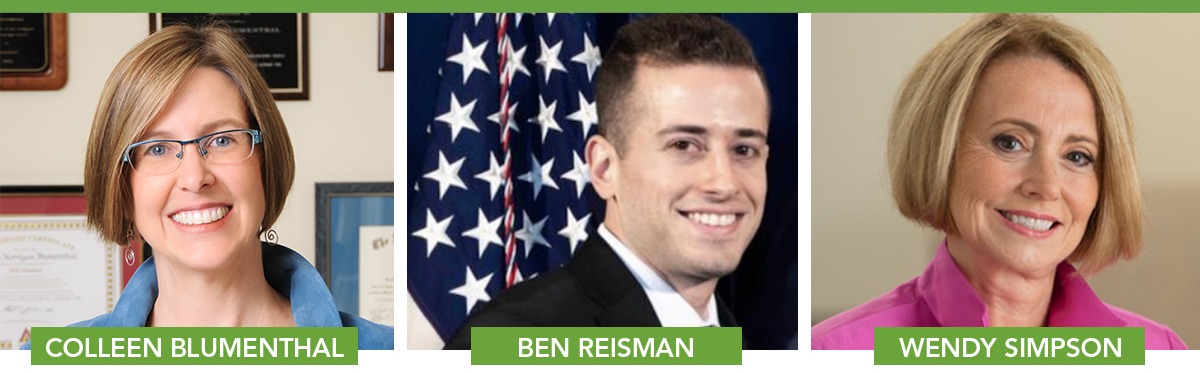
The event titled “Is There an Investment Case for Skilled Nursing in the Intra-and Post-Pandemic World?” began as always with expert commentary from experienced leaders in the space. In a short presentation, Colleen Blumenthal, MAI, chief operating officer/partner, HealthTrust pointed to some pre-pandemic slides indicating that demand was declining before COVID-19 hit the U.S. She also pointed out that a search in Google for “nursing home deaths” now yields over 150 million hits. She said, “It feels like there’s been a complete barrage of headlines, starting with Lifecare Center of Kirkland back in March, and it’s still continuing to this day.” She continued, “It’s a stigma that’s going to impact everyone in the nursing home sector, not just those that did not provide the standard of care that we expect.”

Blumenthal, explaining the impact of COVID-19 on the sector, pointed to CMS’s decision to limit visitations to nursing homes, among other factors. While likely saving lives, the policy negatively impacted many residents and their families, many of whom were left living in isolation for much of 2020. The policy also made it difficult for buyers and lenders to evaluate and transact on properties. Occupancy rates, which declined across the entire seniors housing and care industry, dropped more dramatically for nursing care than other sectors. Blumenthal observed that skilled nursing occupancy rates, which had been around 80% nationwide pre-pandemic, are now ranging from 55%-80%, with widely varying numbers across the fifty states.

Closing her self-described “Debbie Downer” introduction, Blumenthal pointed to pricing, which remained fairly steady, at around $100,000 per bed in 2020. That, she suggested, reflects sustained investor interest in the sector. With that, she asked panelists Wendy Simpson, chairman & CEO, LTC Properties, Inc., and Ben Reisman, senior vice president of Finance, TL Management, why they remain attracted to skilled nursing. They had similar responses. Both feel that the services provided by these businesses are needed and will continue to be supported by reliable government payers. In addition, according to Reisman, there are opportunities for investors to “stay ahead of the curve” by investing in new technologies, treatments, and other innovations.

2020 saw a pause in deal-making, as many investors focused on helping their operators weather the pandemic. This year, according to Reisman, deals are happening again. Simpson also is seeing an uptick in activity so far this year, saying, “We’re finding a relatively slow start to the year, but things are feeling a little bit better, as the spring comes along, than before.”

Both panelists pointed to difficulties finding lenders. Reisman said, “Lenders are going to look for very strong borrowers, which they always do, but will be more important now because they know, and we know that you can’t just say ‘there’s a vaccine’…to get back to pre-pandemic levels is going to take a long time.” That focus may result in fewer, and smaller, deals happening in the short term.
The deals that do get done may rest on the quality and reputation of the operator. “I think the industry is more interested in the operator now than necessarily the asset,” said Simpson. She continued, “You know, in real estate it’s ‘location, location, location,’ well, in investing it’s ‘operator, operator, operator.’” She indicated her company would like to help existing, trusted operators expand their portfolios.

Asked about the high numbers of prospective residents switching to home health care, neither panelist sees a long-term problem for skilled nursing. Rather, Reisman sees a temporary shift driven by the pandemic, followed by a return to congregate settings. Saying, “Isolation is a horrible thing,” he explained that current nursing home residents are isolated, but that, as group activities and visitation return, and people return to work and school, “that might flip.” He explained, “Even if people are reading the news and are scared today, in a few months or a couple of years, when they’re making a decision, talking to their doctor who’s recommending a nursing home as the best place for them to get better, I think a lot of that fear can easily go away, if we do a good job of communicating that.”

On the same question, Simpson pointed to skilled nursing’s investments in rehab facilities, as well as shortages of labor. She said, “Even before the pandemic, we didn’t have enough of an employee base, so if you take all of these people who are going to be able to see one or two patients a day, because of the travel between patients, and that person could see four to six people in a nursing home – I just don’t see how that math works.” She believes that home health will appeal to high income patients who can afford expensive round-the-clock nursing care at home, or strong families who can provide such care themselves. She argued, “that’s just not the United States.”

It should be noted here that in the follow-up discussion several attendees took a different view of the impact of home health care. Some small groups were unable to agree on whether the trend will be short term or have a lasting impact on long term care occupancy rates. If there was general agreement, it was on the fact that, for now, skilled nursing valuations are holding steady.

Another consideration for underwriters will be the relative health of state Medicaid systems, as well as the healthcare networks that refer patients. The panel discussed Texas, an example of a state with a rapidly growing population – but that has some of the lowest Medicaid reimbursement rates in the nation. In some smaller Texas markets hospitals have gone many months without referring rehab patients – a real concern for investors in an industry that often depends on those referrals for survival. Again, according to the panelists, they will be looking at the operator as they consider these and other investments.

Another potential source of trouble is rising insurance and liability costs driven by the pandemic. The panel suggested they will look at tort-reform laws and the litigation environment in any given state as part of their underwriting process.

The panel also discussed the trend towards reducing the numbers of beds in facilities, and the recent Ohio bed buy-back program. “Ohio may give up a thousand beds, but none of those beds were in service,” pointed out Simpson. She said, “I think there’s more value in the private room, if its available, but there’s always going to be need for at least double occupancy in properties.”

Immediately following the panel discussion, attendees hopped onto a group Zoom video meeting to discuss further. After a general discussion, attendees were divided into smaller breakout groups, and asked to address two questions: Has the pandemic inherently eroded skilled nursing values? And, where do occupancy/census levels stabilize, and how long will it take to get there? As noted above, discussion was frank and spirited – and not everyone in attendance was in agreement. However, when everyone returned to the larger group discussion and reported out their findings, the general sense was that, despite all the bad news of the past year, and despite disagreements on how deep and lasting the impact will be, there is still plenty of value in skilled nursing – and there will likely be more in coming months and years.