The CMS Advancing Chronic Care with Effective, Scalable Solutions (ACCESS) model launched this summer, covering chronic conditions across four tracks. Participation spans cardiometabolic and kidney care, behavioral health, musculoskeletal care, and chronic pain management—signaling continued demand for technology-enabled, outcomes-based chronic-care solutions.
The 205 participating organizations may participate in one or more clinical tracks: eCKM, CKM, MSK, and BH. Because organizations can enroll in multiple tracks, an organization participating in more than one track is counted once in each applicable track in the graph below. CMS is expected to provide additional information in October, including updates on participating organizations and newly joining companies.
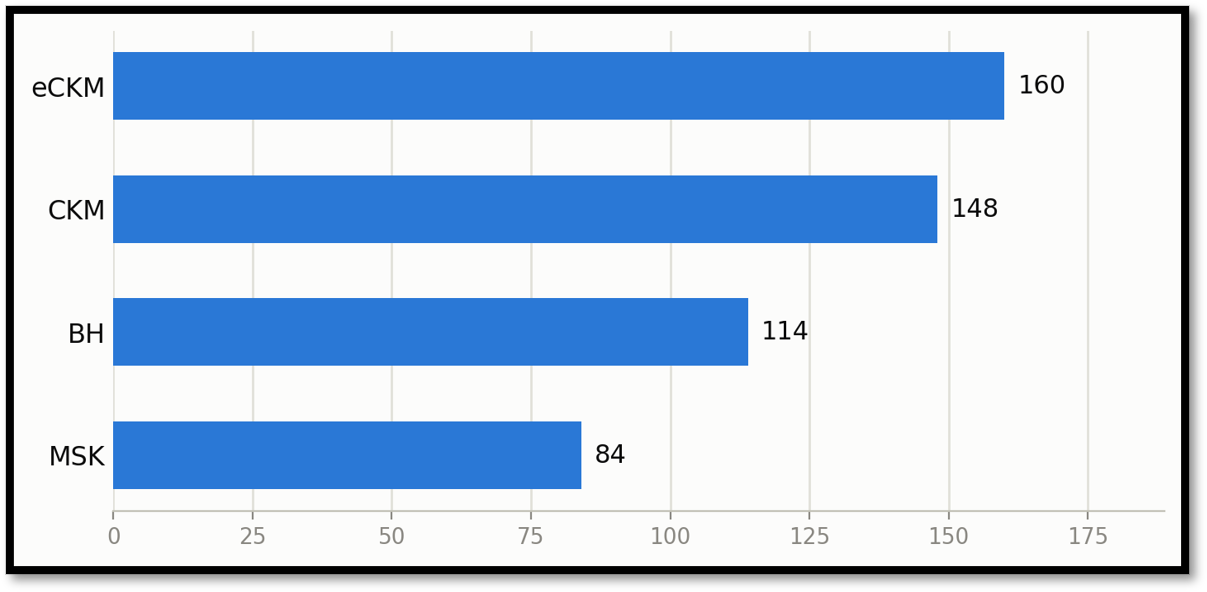
Two early takeaways include:
- CMS is using small, partial payments to drive outcomes. Every ACCESS participant, in effect, is fronting the cost of care today against a resident outcome realized months later.
- Participants include: Artificial Intelligence (AI)-first companies, Accountable Care Organizations (ACOs), traditional healthcare operations and practices and digital healthcare organizations. Those that succeed and scale over time will be a signal, both to the market and to CMS.
Senior housing and care operators can expect technology, and interoperability will be increasingly relevant to residents, particularly those with high acuity conditions covered in these tracks. They may be moving in with these services ongoing, covered by health payors, and have high expectations for monitoring and evaluation support, in addition to needs for more traditional medication management services.
CMS is also expected to announce the first Make America Healthy Again: Enhancing Lifestyle and Evaluating Value-Based Approaches Through Evidence (MAHA ELEVATE) awardees this fall. The research model’s first round winners are expected to launch in October 2026 with the distribution of over $100 million in funds. The model is designed to evaluate whole-person and lifestyle-medicine interventions and their effect on Medicare cost and quality. Senior living was named among the model’s eligible applicants, and the fall announcement can inform how CMS is structuring an overall approach to this type of care. A second cohort in 2027 is expected as well, for those considering future applications.