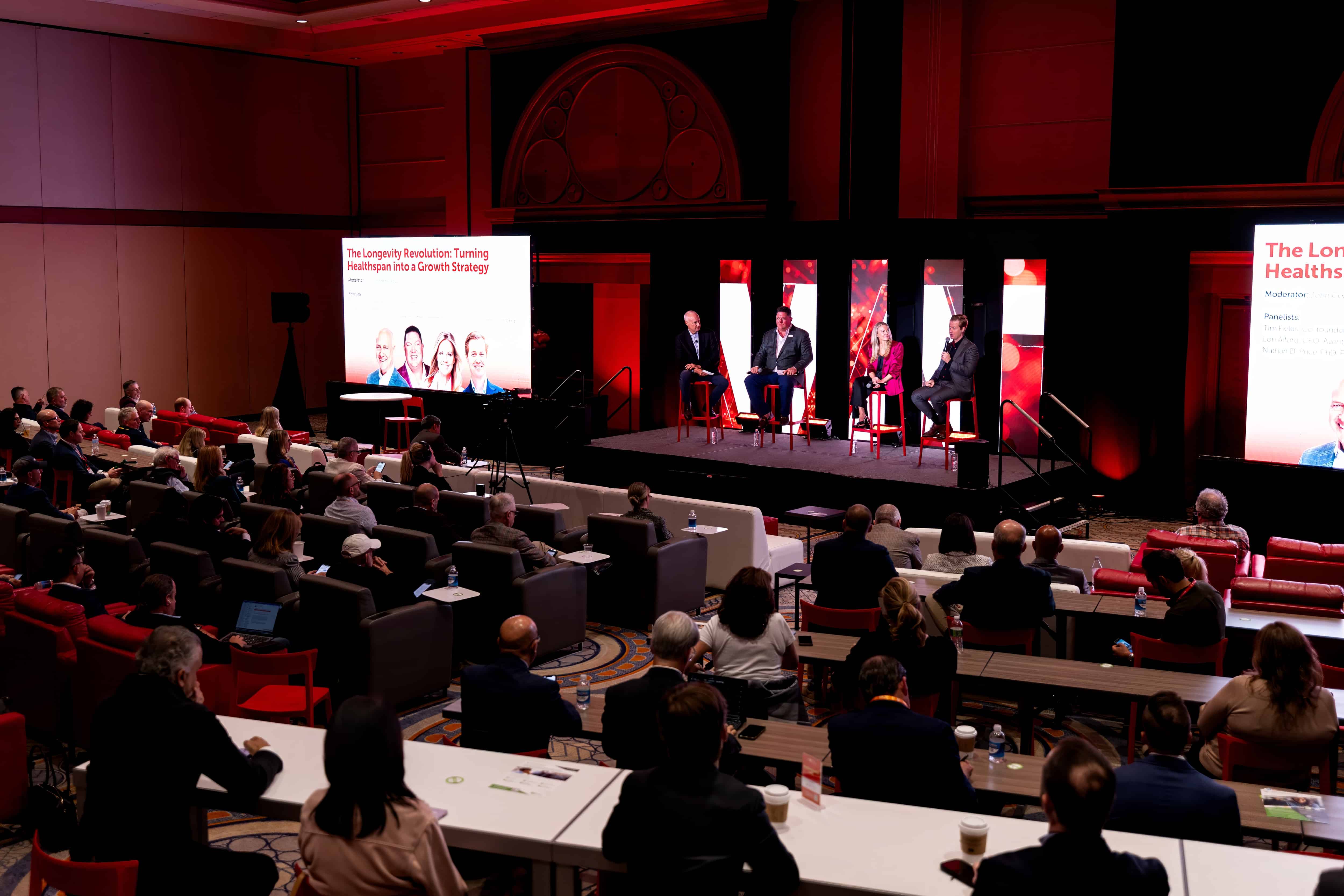
Five breakout sessions at the 2026 NIC Fall Conference turned big questions into practical ones: what to renovate, which active adult lane to pick, how to build for healthspan, how to partner with a REIT, and what AI tells your prospects.
The main stage at the 2026 NIC Fall Conference set the questions. The Innovation Lab sessions gave practitioners insights to work through the how. On Thursday, October 22, five targeted sessions put operators, investors, developers, and researchers in the same room to compare notes on what is working, what is not, and what they would do differently.
Several of the labs echoed the opening keynote from Ken Dychtwald, who asked the industry to plan for a customer who is changing. The labs showed what that planning looks like on the ground.
Old Bones, New Returns: Repositioning Dated Communities

Roughly half of senior housing communities in the United States are more than 25 years old. As new development stays muted, the panel asked how and when to reinvest. Joe Daniels, Vice President of Business Development at Direct Supply, moderated the session with panelists Danielle Breton, co-CEO of LCB Senior Living; Sheryl Marcet, chief investment officer at Arcus Healthcare Partners; and Diana Watts, senior vice president of asset management at Benchmark Senior Living.
Their first message was that the building is only part of the story. One panelist said the operator and the market decide more than the finishes do. In a market full of new construction, she cautioned against trying to out-build it. In a market of older buildings, play defense: match the finishes and add amenities. Either way, price matters: “If you’re overpaying, your plan’s never gonna work.”
Watts described Benchmark’s approach as common spaces first. The first impression a prospect gets is the lobby, the dining room, and the gathering spaces, and she wants them to show residents out of their rooms and in public spaces. Benchmark also runs a program that renovates individual units on demand, with a named owner and a clear process. The results can be surprising. One community’s operations team told her, “We found a new tax bracket within this zip code.”
The panelists disagreed on execution. Watts buys materials in bulk and renovates units as they turn. Breton prefers larger, planned batches and dislikes piecemeal work: “The new floor makes everything else look bad.”
Alignment kept returning as the deciding factor, between investors and operators and inside each organization. Marcet described where it breaks down: “I think the alignment fails when you have a capital partner that says, ‘What’s the least amount we can do for the best return?’ And everything is off from day one.”
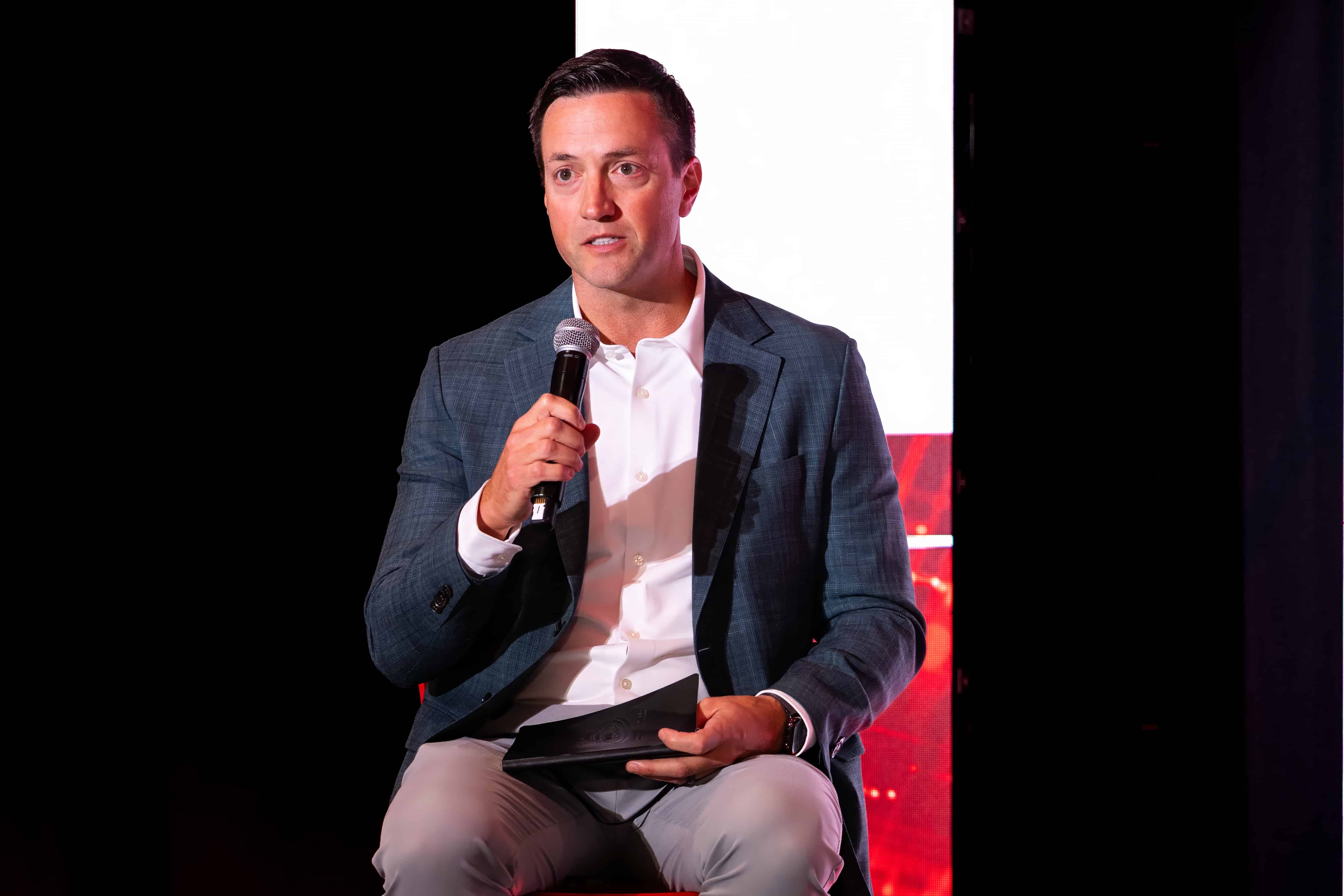
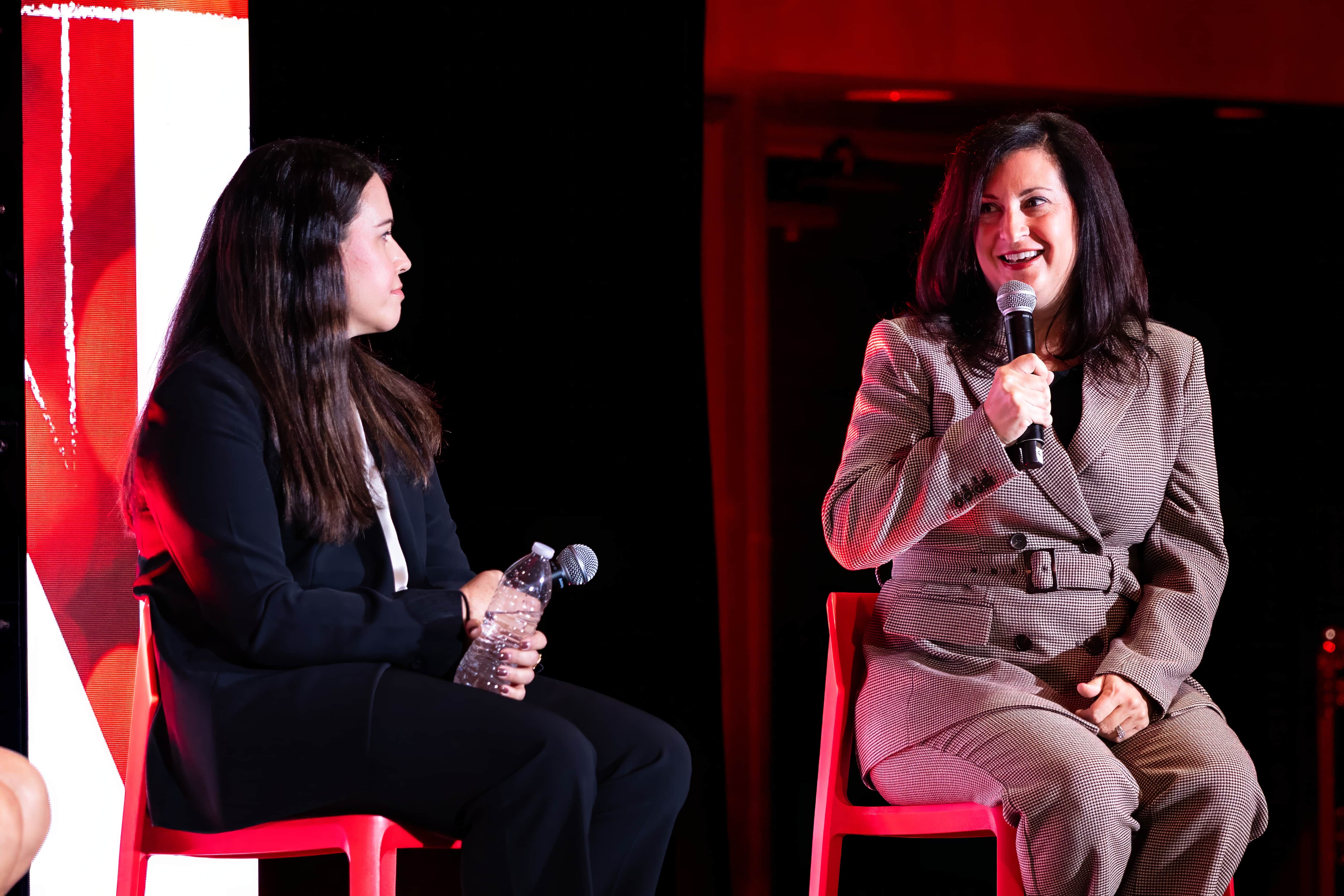
“It really becomes sort of a fabric of the community. And then you see it in the numbers.”
Sheryl Marcet, Chief Investment Officer, Arcus Healthcare Partners
Choose Your Lane: Business Models Winning in Active Adult
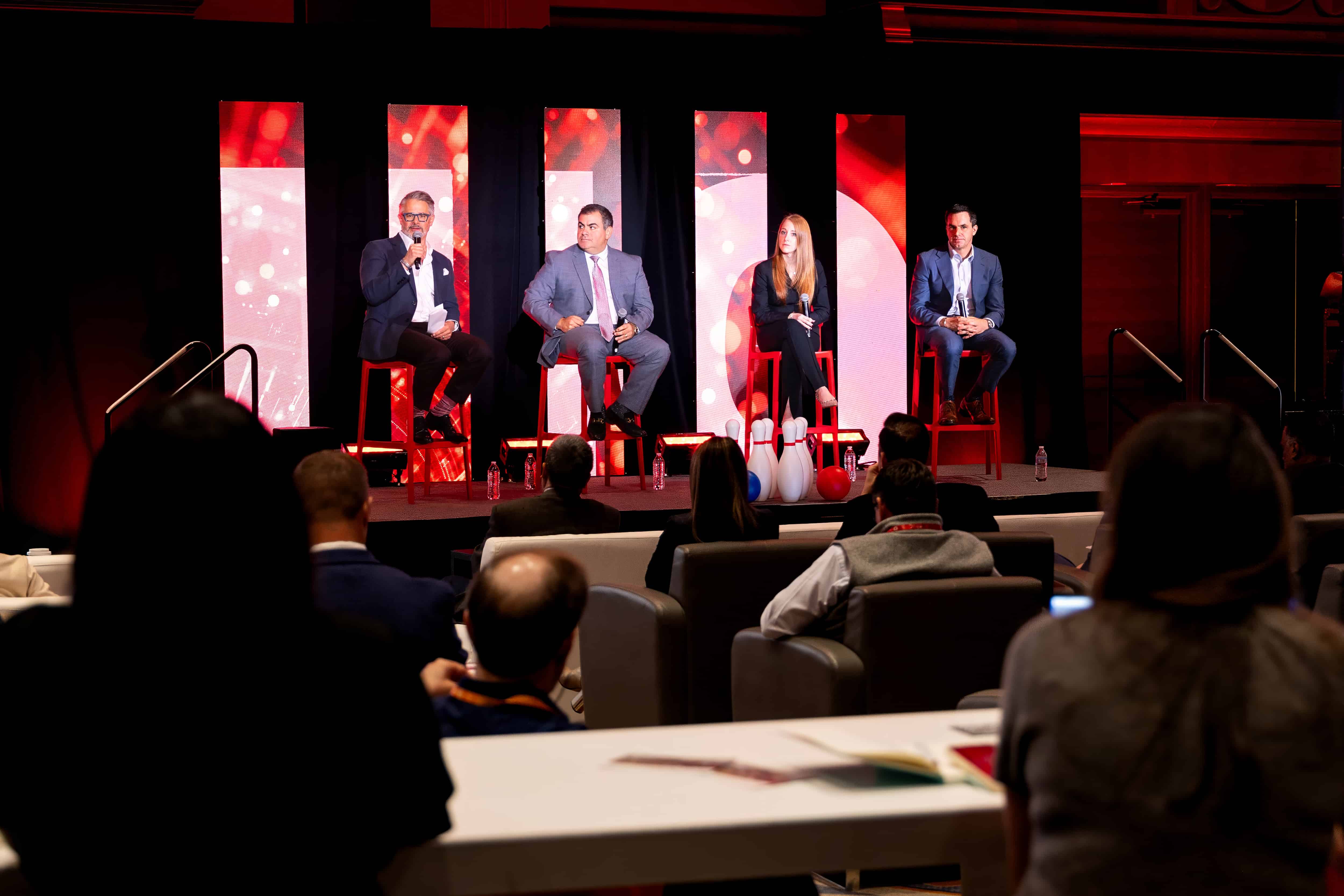
Session moderator Brett Robinson, president of Sparrow Living, framed the active adult panel with a bowling theme: a budget-friendly lane, a “sweet spot” lane, and a “full house” lane. He was joined by Mike DiGiacomo, chief operating officer of United Group; Allison Joseph Pendleton, chief operating officer of One Clover; and Michael Levine, senior managing director at Greystar.
Robinson put the active adult opportunity in numbers, “Our penetration rate is less than one percent, whereas in traditional senior living it’s more like ten or eleven percent,” he said. He also questioned a line he has used for years, that active adult is want-based rather than need-based, and described why he is rethinking it.
The panelists showed how different the lanes can be. On the budget end, Pendleton described communities where programming is resident-led and the activities director receives about $750 off monthly rent to lead it. Quiet neighbors, she said, are “the number one thing” residents want. Levine described what residents told Greystar when asked why they moved in: “Every single person said it was the person that they met with, it was the lifestyle they saw.”
The most consistent theme was people. A panelist noted that in active adult, a single community manager “might be 40 to 50% impact on that community,” far more than one person would be in a larger operation. Another said, “The best manager I ever hired was a school teacher.”

“I’ve heard myself 100 times say our product is not need-based, it’s want-based.”
Brett Robinson, President, Sparrow Living
The Longevity Revolution: Turning Healthspan into a Growth Strategy
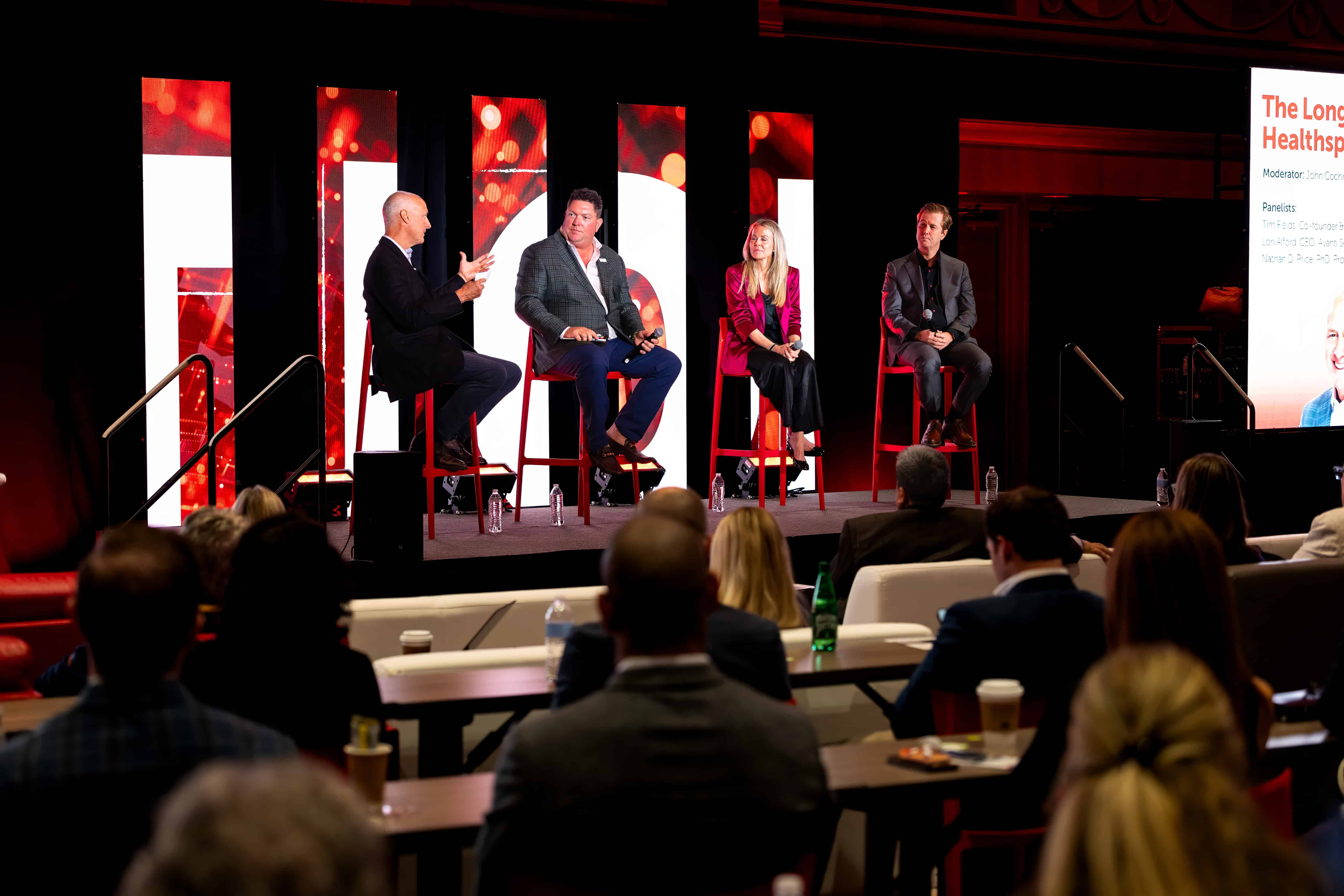
Moderator John Cochrane, president and CEO of HumanGood, tied the session directly to the keynote. “If you were lucky enough to sit in on Ken Dychtwald’s session yesterday,” he said, “you heard about the age wave that is already transforming the field.” Cochrane said he prefers the word healthspan to longevity, and that healthspan “represents the most significant opportunity we have seen in this field.”
Nathan Price, PhD, professor and co-director of the Center for Human Healthspan at the Buck Institute, brought the science. He cautioned against anything sold as a cure-all: “There is no such pill.” He also explained why healthspan is hard to measure. “You actually only know your own healthspan after it’s over,” he said, which is why he focuses on how much of your available health you are using now. And he pointed to where senior housing can contribute: the last mile, turning knowledge into daily habits.
Lori Alford, CEO of Avanti Senior Living, shared what her communities have learned from putting movement and brain health at the center of programming. When asked what activities residents attend most, she was direct: “Arts and crafts is not top of the list. Spirituality events, they’re not the top of the list. And guess what? Bingo certainly isn’t top of the list.” She told the story of a resident in a wheelchair who wished he could walk his granddaughter down the aisle. A care partner overheard, the executive director talked to the family, and a year of one-on-one work later, a video shows him standing and walking to his granddaughter at the end of the aisle in an empty church.
Tim Fields, co-founder and CEO of Ignite Medical Resorts, brought the skilled nursing view. “Nobody chooses to admit to a skilled nursing facility,” he said. “They go because they have to.” His team builds hospitality into short stays, down to a “fond farewell” at discharge, with a medal that says, “I got my spark back.”
Cochrane also raised a challenge that echoed the keynote: the industry may be protecting older adults from risk to the point of overprotecting them.

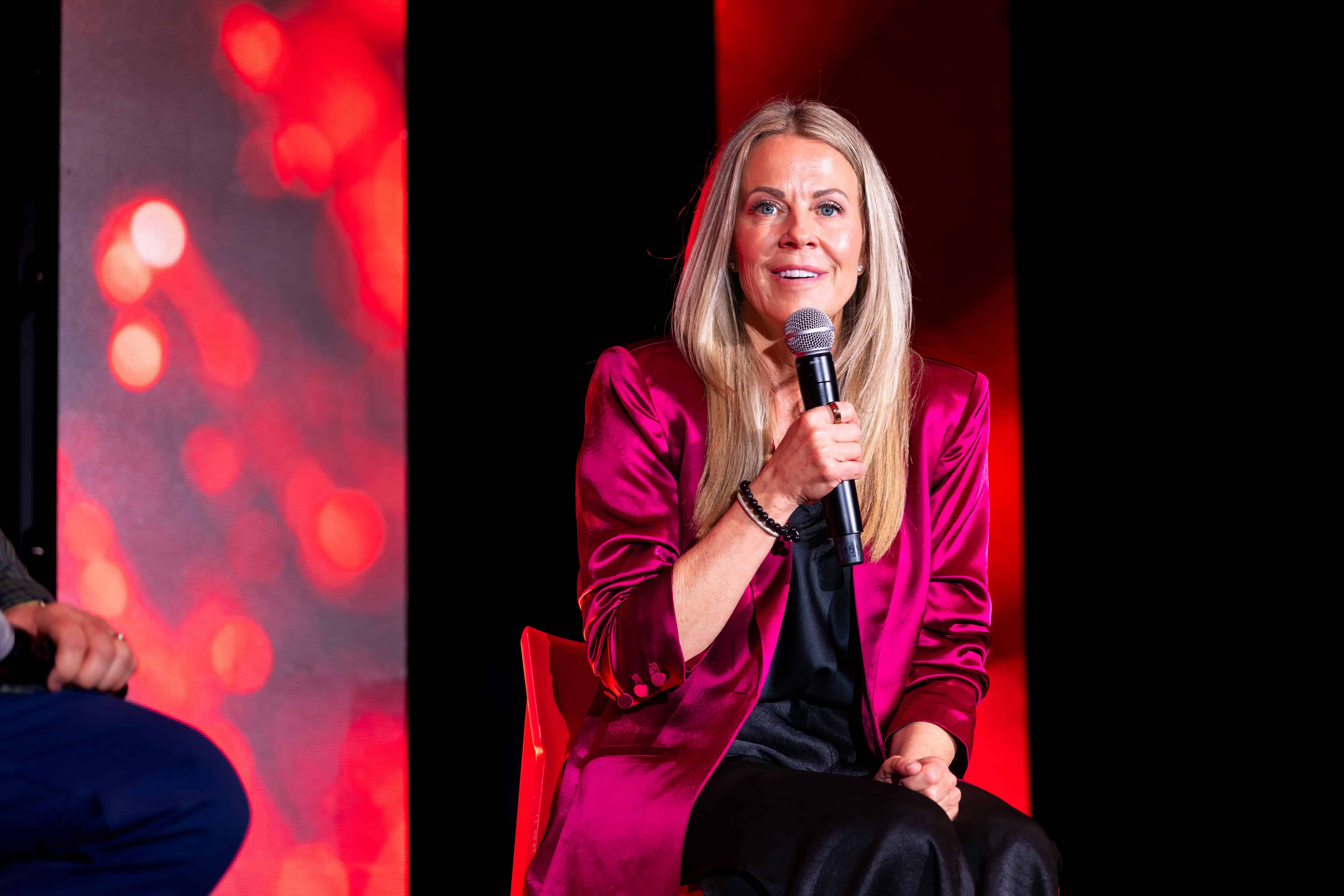
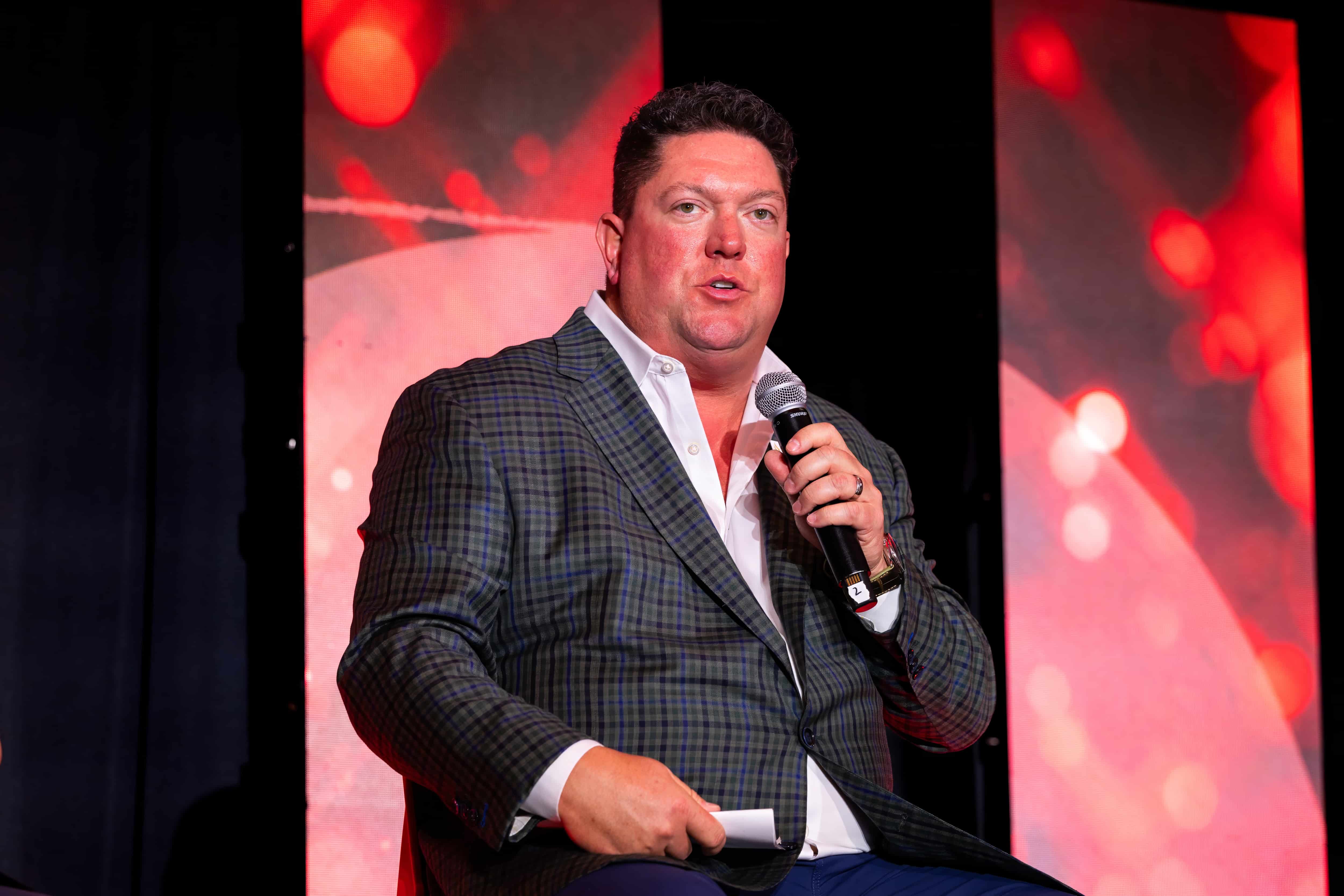
“We’ve de-risked aging to the point where we’ve actually infantilized people.”
John Cochrane, President and CEO, HumanGood
How to SHOP: New Opportunities for Operator Growth

Nicole Funari, senior principal for capital strategies at NIC, moderated a candid session on REIT-led Senior Housing Operating Portfolio, or SHOP, models. Panelists were Edward Burnett of Ciel Senior Living, Dan Lahey of LCS, Jeff Miller of Janus Living, and Melanie Mooney of NHI.
Miller explained why many REITs moved toward SHOP, describing the older triple-net lease approach as “the worst of both worlds” for the real estate owner, who carried the downside without sharing in the upside. Operators should bring their own questions to the table. Burnett suggested asking a prospective partner how it behaves in a down quarter and how reliably it funds capital projects.
What does an operator need to be ready for a successful REIT partnership? Lahey said strong community performance is “table stakes,” and that the management of the community matters as much: “You need excellence at the back office level.” Mooney described the compliance side, including internal controls and security, and encouraged operators whose systems are not ready to start now and build a clear path to enable a SHOP relationship.
On incentives, Mooney said the management agreement is “sort of like a prenup,” the place to settle investment thesis and communication expectations before problems arrive. Miller offered a dose of humor about capital budgets: “I have not yet met the operator who thought the CapEx budget was too high.” And he described the built-in tension between the two sides.
Burnett’s advice was simple: “I think it begins and ends with transparency.” Mooney’s parting advice, in keeping with the marriage metaphor the panel kept returning to, was shorter: “Don’t go to bed angry.”
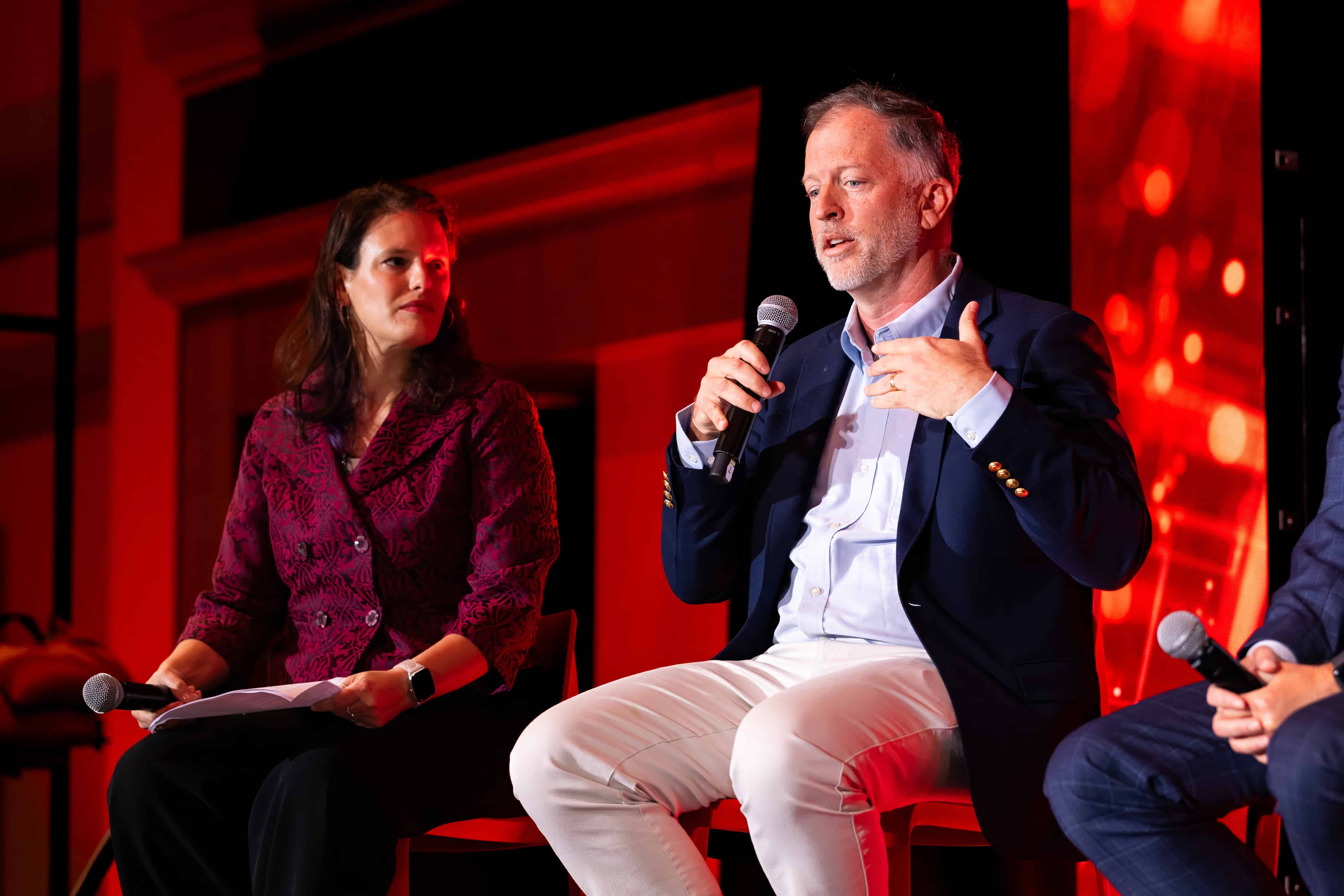

“The REITs would prefer it if they could run the buildings. The operators would prefer it if the REITs never talk to them ever.”
Jeff Miller, Chief Operating Officer, Janus Living
AI Is Already Talking to Your Prospects
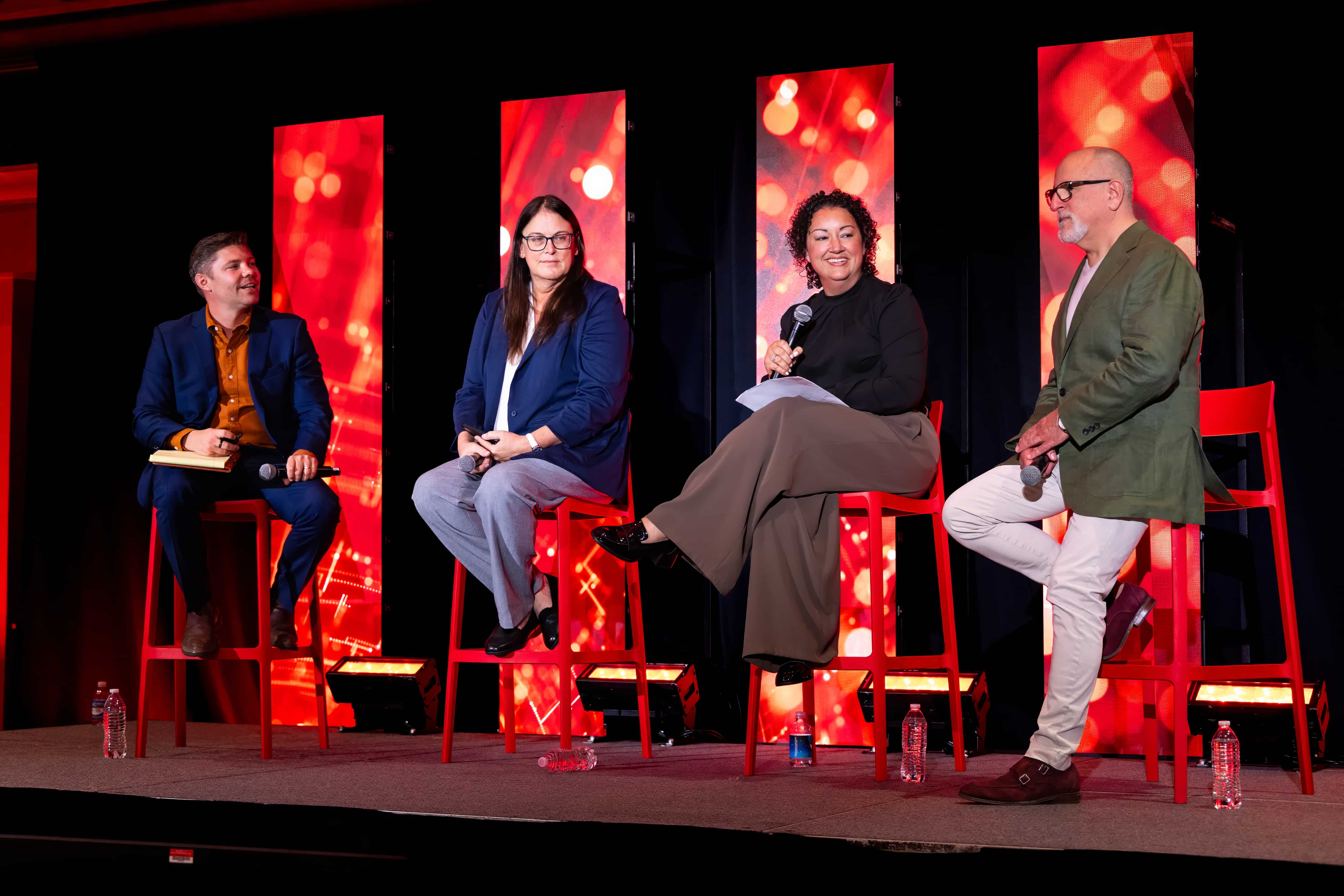
Andrew Smith, senior vice president of healthspan and innovation at HumanGood, moderated a panel with Renee Kimberly of Senior Lifestyle, Kristen Paris of ProMatura, and Patrick Schuerer of Franciscan Ministries. The question was not whether to use AI, it was what prospects and families are already learning from it before they call.
Paris brought consumer research that ProMatura conducted for the American Seniors Housing Association (ASHA). Among respondents who had used AI to search for senior living, 46% had never visited a specific community’s website. Her takeaway for communities: make information easy to verify, and make it easy for someone to call and ask, “Is this right? Does this apply to me?”
The panel then searched for one community across four AI tools. Each returned different information in a different format, drawn from sources the community may not control. Schuerer explained that the goal is no longer just a high search ranking but authority in the content AI tools pull from. Panelists suggested having someone else search your communities, because AI tools tailor results to the person asking.
The most surprising part of the session was emotional. Kimberly, who leads sales strategy at Senior Lifestyle, shared how an AI tool responded to a simulated call from someone whose spouse had been diagnosed with Alzheimer’s disease. It acknowledged the person’s situation and did not rush them toward a decision. Her read: “it’s doing a really good job right now of synthesizing empathy.” She said the exercise reminded her why human connection matters.
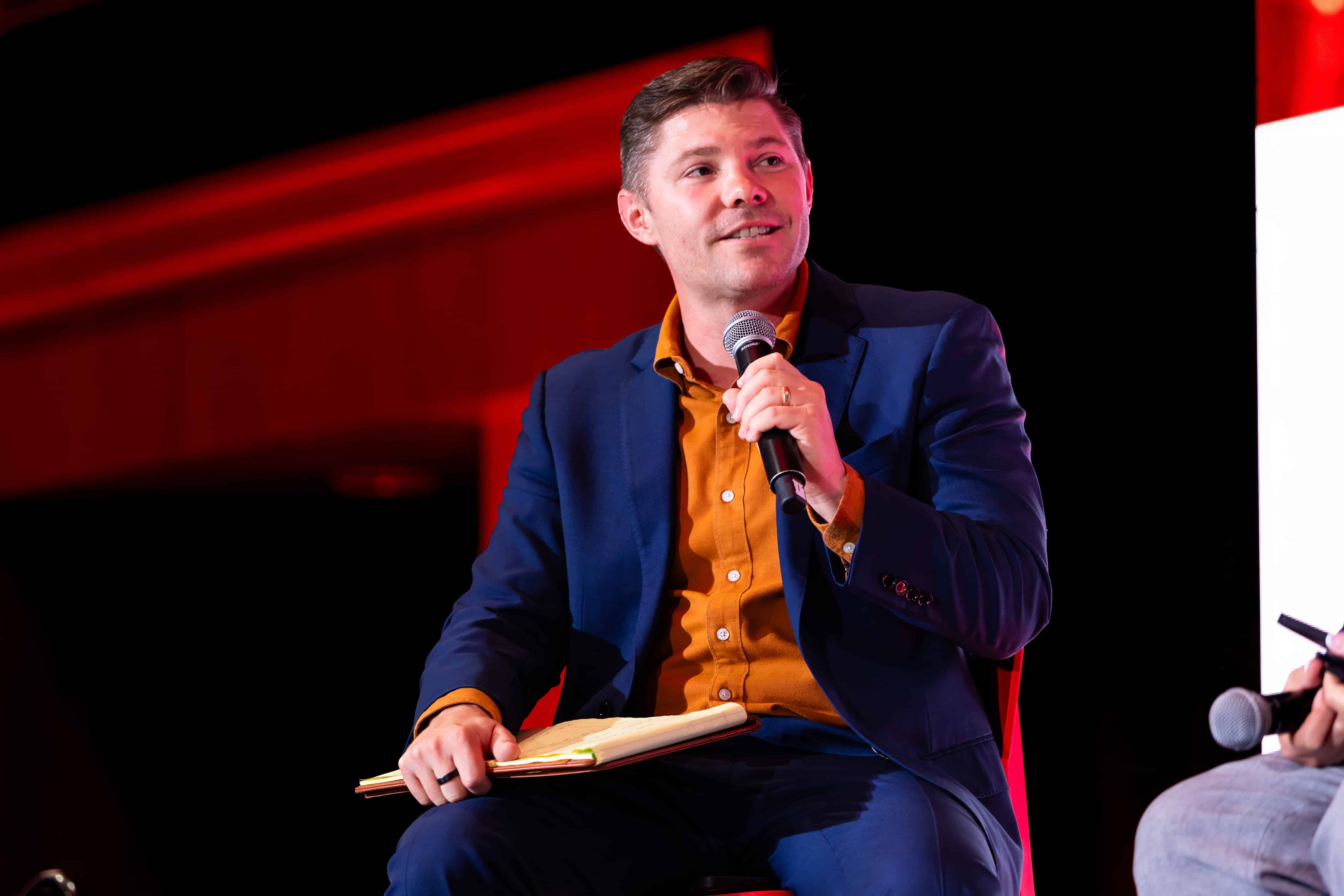

“Now you’re not just looking to be ranked, you’re looking to be cited.”
Patrick Schuerer, Vice President of Communications and Brand Strategy, Franciscan Ministries
What the Innovation Lab Sessions Had in Common
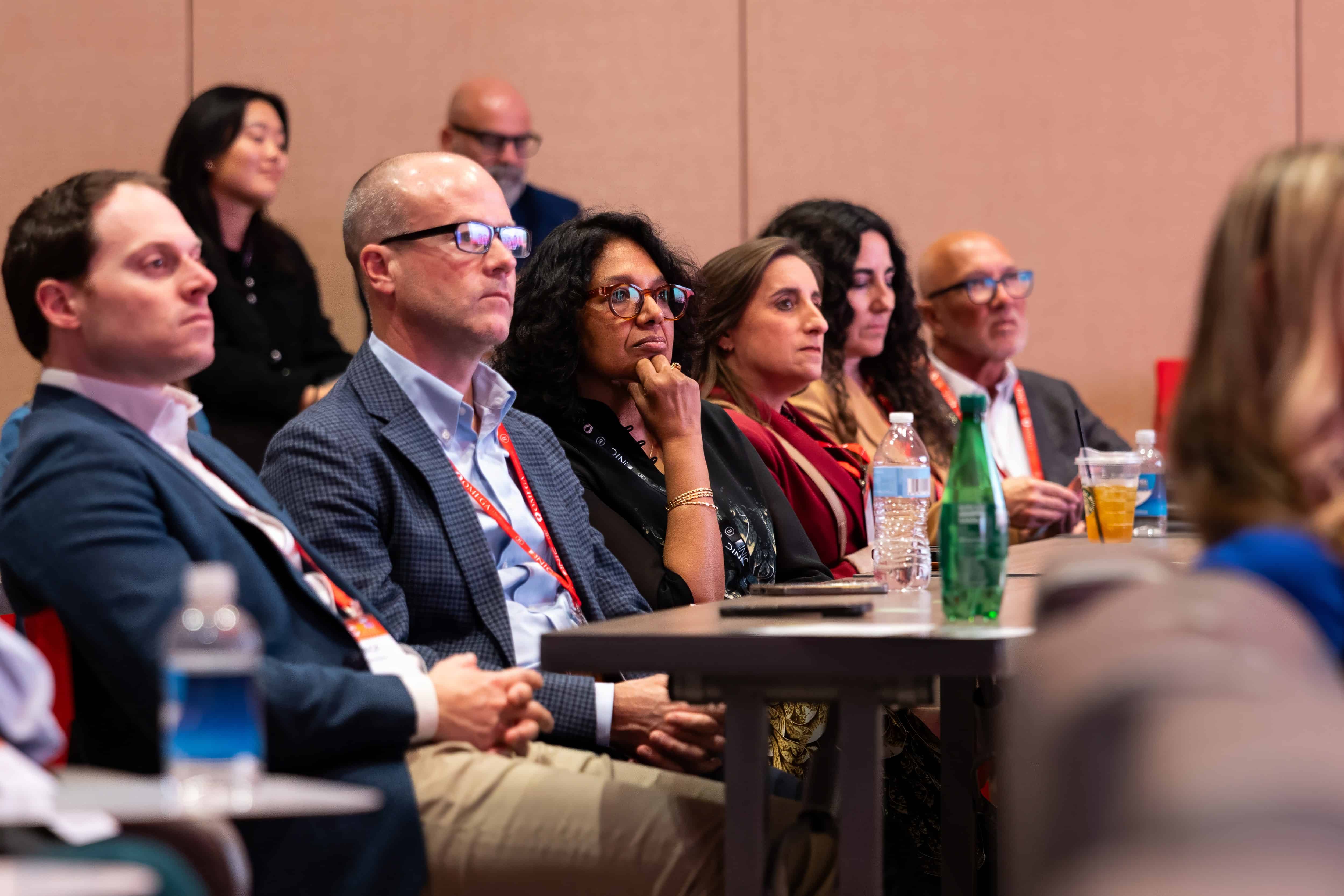
The topics ranged from renovation budgets to REIT agreements to AI prompts, but the same themes kept appearing. Alignment between partners decides whether an investment works. People, from community managers to caregivers to sales teams, matter more than amenities. And the customer is not waiting for the industry to catch up.

Those themes will carry into the 2027 NIC Spring Conference in Dallas, March 15 to 17, where a new operator showcase will give five operators one hour to pitch their growth strategies to capital providers. Join the waitlist. For more from the NIC Fall Conference, read the full recap at “Changing with the Customer: Takeaways from the Record-Setting 2026 NIC Fall Conference” and the closer look at the main stage sessions at “From Longevity to Cap Rates: What the Main Stage Conversations Revealed”.