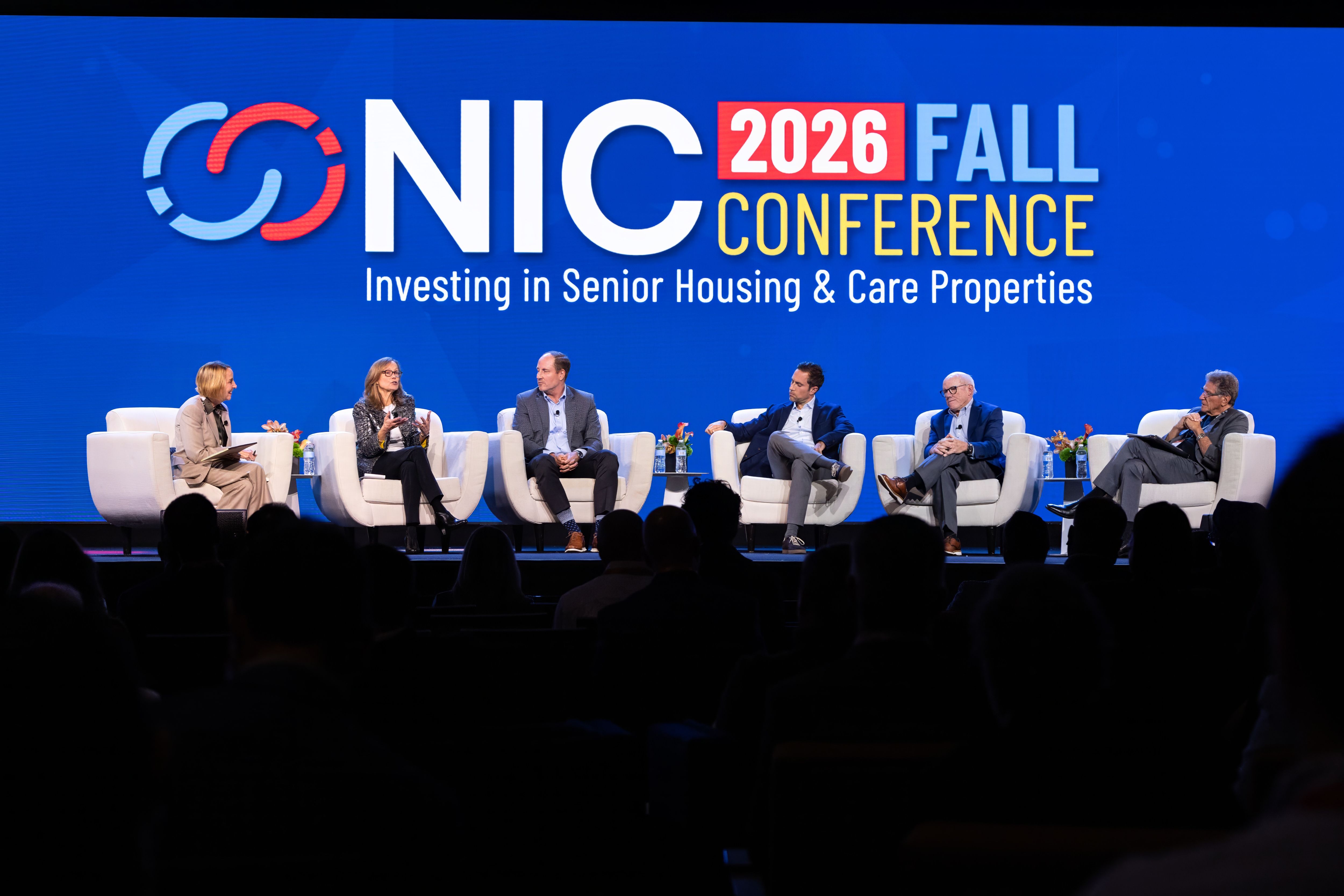
Eight main stage sessions at the 2026 NIC Fall Conference, and one shared question about the customer older adults are becoming.
The main stage at the 2026 NIC Fall Conference opened with a question and closed with a price. In between, eight sessions covered aging, hospitality, quality, affordability, the economy, development, and capital. Read together, they make one argument: the customer is changing, and every part of the industry has to decide how to respond.
This is a closer look at what was covered on the main stage. For the full conference recap, see “Changing with the Customer: Takeaways from the Record-Setting 2026 NIC Fall Conference”.
Aging Reimagined: The Customer Is Changing, and So Is the Language
The conference opened with NIC leadership taking stock. CEO Ray Braun welcomed the room to Chicago in NIC’s 35th anniversary year. Board Chair Ken Segarnick looked back to when conference sessions were still making the case for investing in senior housing. “The capital came. The data came,” he said. This year’s program asks something different: “We’ve gone from proving the investment case to reimagining the aging experience.”
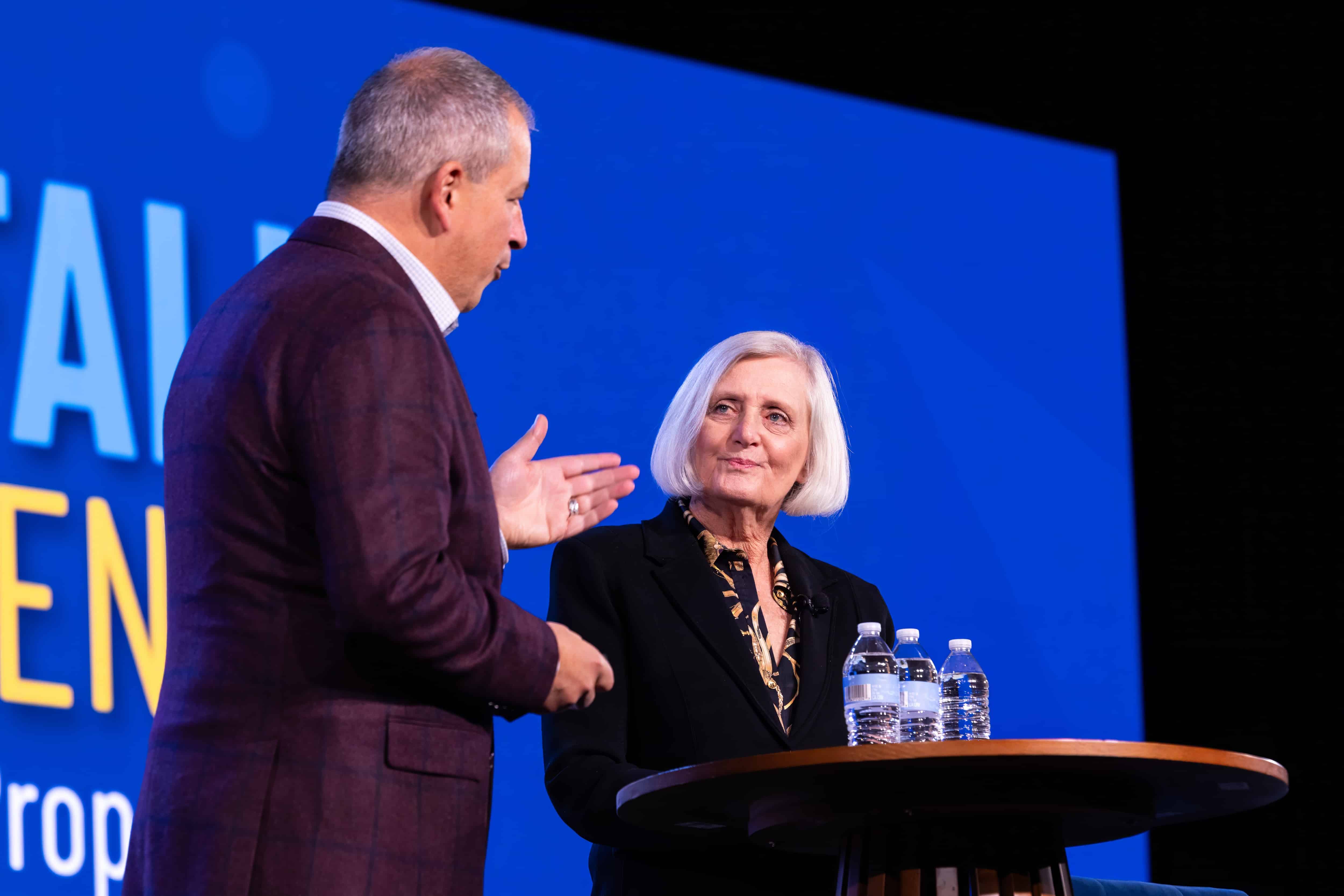
Segarnick also previewed NIC Vision 2030, the board’s work on the organization’s strategic direction. “Our 2022 plan expanded the tent. NIC 2030 looks beyond it,” he said, with more to come at the Spring Conference in Dallas. Immediate past chair Susan Barlow added a prediction about a recently launched research study that will identify the drivers of high-performing communities. Before any results are in, she expects those drivers to be tied to workforce and resident satisfaction. “AI is not replacing us,” she said, “and we need more humans in this business, not less.”
“The real estate case is made. The case in front of us now is the human one.”
Ken Segarnick, Chair, NIC Board of Directors
Then he handed the room a question to carry through the keynote: if the customer is changing this much, what will it take for us to change with them?
A Keynote That Started with a Show of Hands
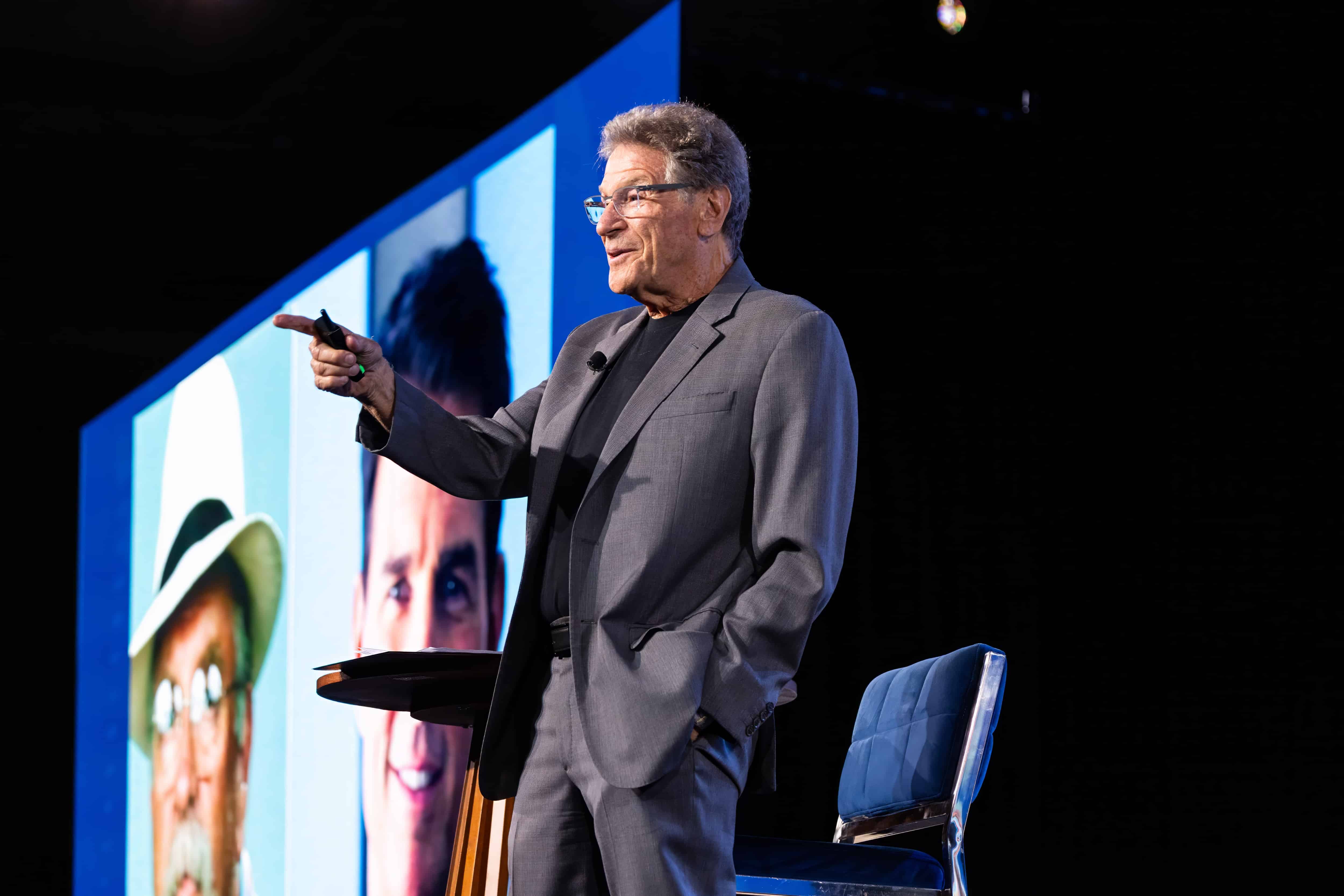
Ken Dychtwald, PhD, is founder and CEO of Age Wave, a psychologist and gerontologist, and the author of 19 books on aging. He told the room he has worked in the field since 1974 and asked everyone to set aside what they already knew.
Then he asked who would like to live to 100. About half the hands went up. When he added “no matter what,” nearly every hand came down. He asked people to explain why, and the answers came back fast: quality of life, friendship and family, and a vital healthspan rather than just a long life.
He used the Apollo moon mission as a frame. It was off-course 97% of the time, he said, and succeeded through constant correction. “This is the time to be in the industry you’re in,” he told the room, and he expected course corrections to come out of the week’s conversations.
“This is the time to be in the industry you’re in.”
Ken Dychtwald, Founder and CEO, Age Wave
New longevity life stages
Stages of life are invented, not fixed, Dychtwald said. Adolescence only got its name in 1904. He sees three more emerging: “middleescence, late adulthood, and elderhood.” The questions for operators and investors follow directly: “Who is your market? How do you refer to them?”
He told the story of John Glenn, whom he knew, returning to space at 77. When reporters asked whether he was too old, Glenn answered, “just because I’ll be 77 doesn’t mean I don’t still have dreams.” The lesson, Dychtwald said, is that a long life invites a rethink of what to do with it: “maybe it is time to have a new dream.”
Toward a new age of aging
Dychtwald described the silent generation, which has made up most of senior housing’s residents, as inclined to trust authority, follow rules, and stay stoic. Boomers, he said, are more rebellious toward authority and more individualistic. Gen X came of age with more skepticism and more comfort with technology. His advice was blunt: “Get ready for the complaining. Get ready for the demands.”
“There’s a new age of aging coming.”
Ken Dychtwald, Founder and CEO, Age Wave
Matching healthspan to lifespan
Here Dychtwald pressed hardest. He pointed to a gap between how long Americans live and how long they live well, and noted that a third of people over 65 have five or more physicians “who generally don’t talk to each other.” Most medical schools require a pediatrics rotation, he said, but few require one in geriatrics.
He also asked the room to consider an uncomfortable question. If dementia disappeared tomorrow, some businesses in the aging field would no longer be needed. “Is that good or bad? Who are you?” he asked.
Language came up as well. He shared clips of two leaders in aging services and geriatric medicine who favored “longevity” over “aging” as the more aspirational word, and he told of his brother’s band playing at a community called Journey’s End. “Maybe the whole field is going tooing to change some language around,” he said. “Maybe it’ll be longevity housing.”
New choices for how and where to live
Dychtwald raised shared and intergenerational living, care delivered at home, and technology that works like “a health Waze,” guiding people toward what their bodies need. He asked how many in the room would consider a lease of $10,000 to $12,000 a year for a 24-hour robot caregiver. More than half the people he asks, he said, raise their hands.
He reminded operators who is often writing the check. When the founder of Lifeline launched that service, most of the checks came from adult children. “You need to be thinking about how is this being read and how will this create peace of mind for the elder and also for the adult child or grandchild,” Dychtwald said.
And he pointed to purpose. By his numbers, the average American retiree watched 47 hours of television a week last year. “We have not created purpose.” He showed a video of an intergenerational conversation across continents that moved moderator Tana Gall so much she said she “choked up.” He ended with a clip of Ruby McNally celebrating her 100th birthday by skydiving, her third jump.
The challenge: take a stand
As the session wrapped, Dychtwald offered the industry a set of challenges. He said his piece plainly and left the answers to the room:
- Create an “elder corps.” He cited 80 million people over 60, only 24% of whom volunteer, and suggested the idea could come out of NIC.
- Press artificial intelligence to help solve the dementia problem rather than accept it as inevitable.
- Serve a wider market than the one the industry serves today.
- Move from desperation to aspiration. Senior living today, he said, is “largely about desperation,” and he named wellness as the opening.
- Work out how to turn home equity into a better life. “Somehow figuring out how to translate a person’s home into a better life is going to be figured out by somebody in this room,” he said.
He ended with a reminder that there will not be one answer. When he and Bob Kramer were growing up, there were three flavors of ice cream, he said, and now there are a thousand-plus. “I’m not sure that there is one solution, but I think it’s going to proliferate in terms of creativity, and that’s going to grow out of this meeting.”
The panel responds
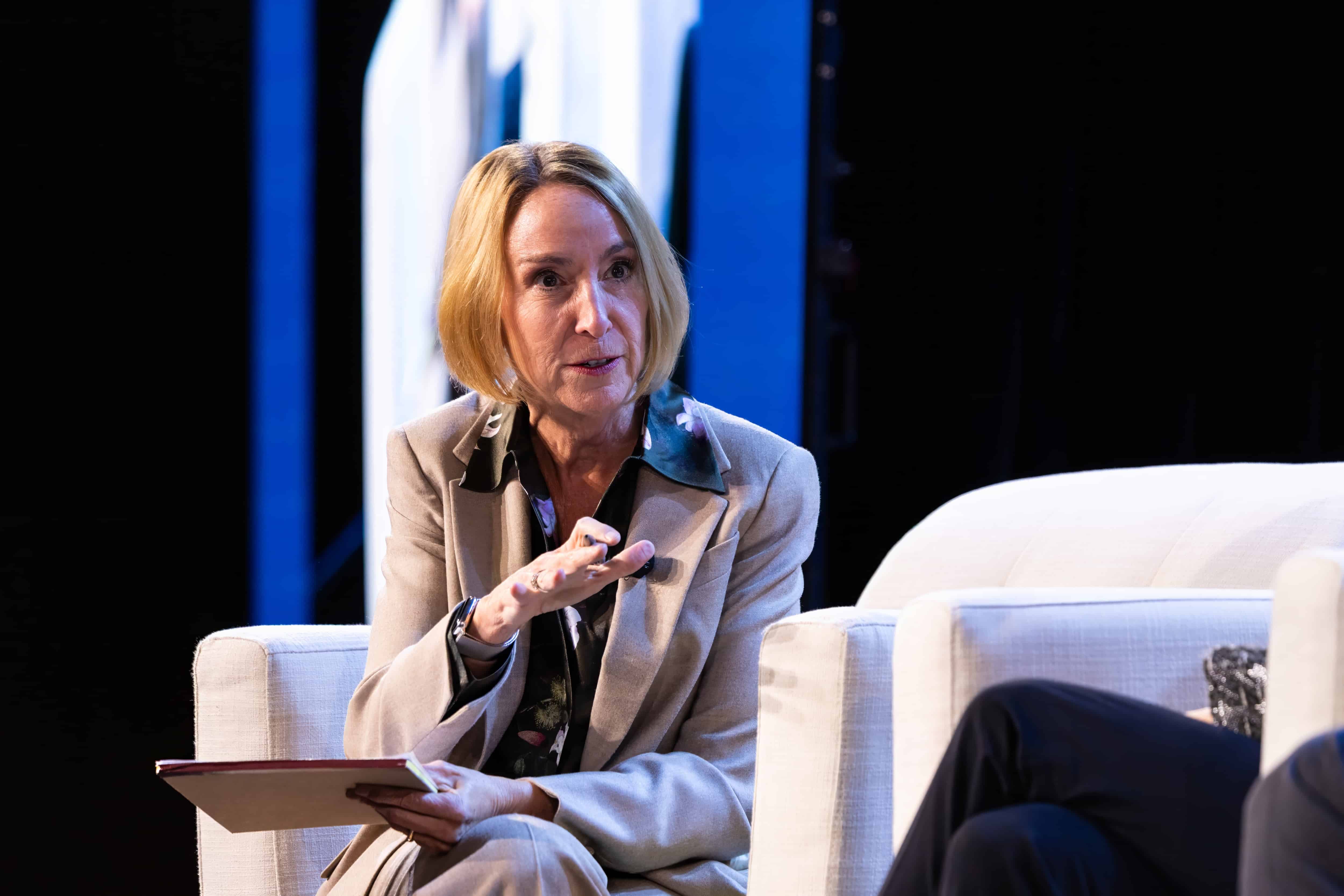
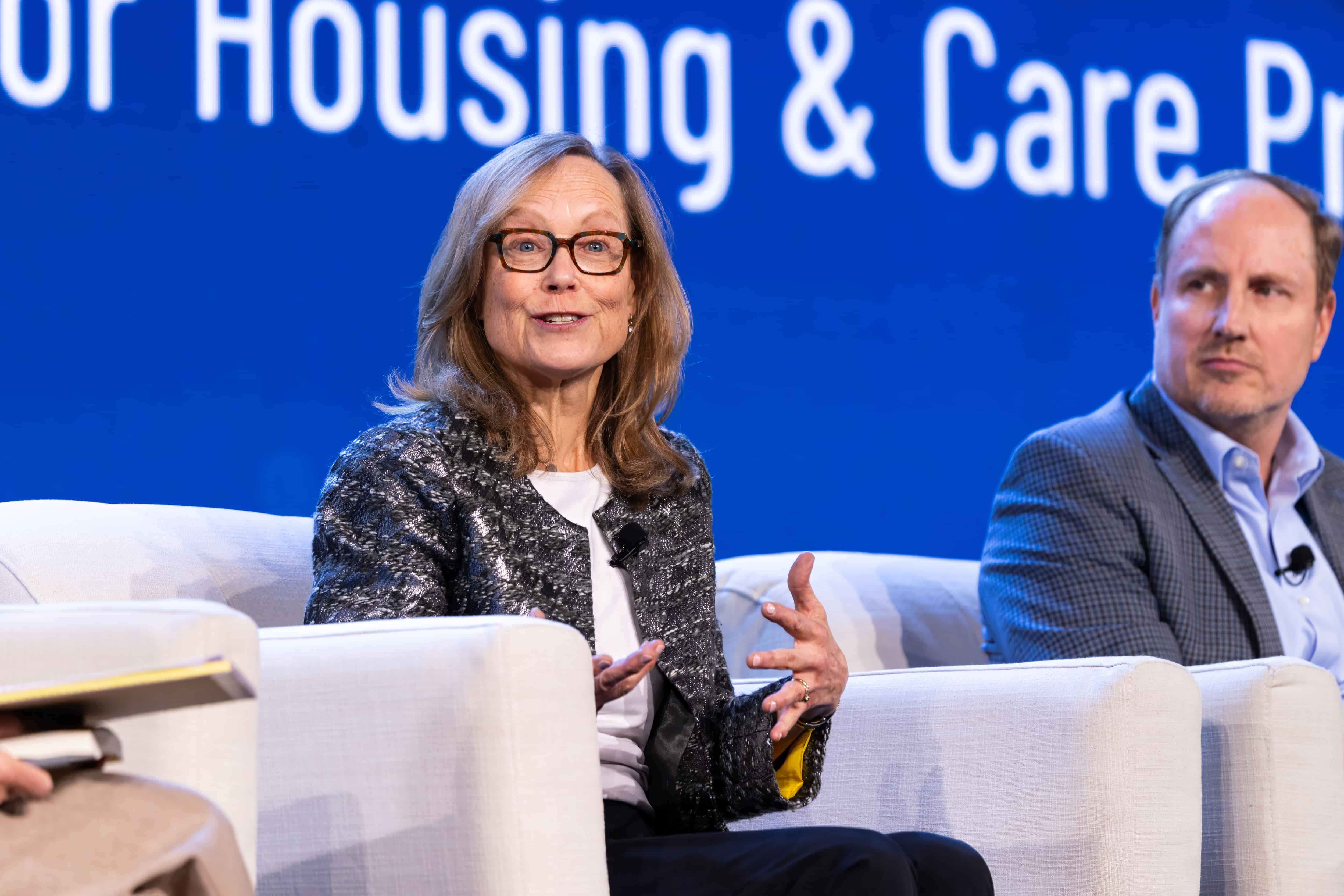
Tana Gall, president of Merrill Gardens, moderated. She said Dychtwald’s talk showed that “longevity has created entirely new life stages,” and asked the panel to say what that means in practice.
Anne Doyle, CEO of Spark Living and Learning, focused on higher education partnerships. Almost every community has a school or university nearby, she said, and the research, the workforce, and the energy come with it. One community she works with became the first to bring a university’s brain health program into the “wild,” and residents paid for it because demand was high. These partnerships do not require heavy capital. On the business case, she was direct: “it also clearly, in my experience, is good for the bottom line.”
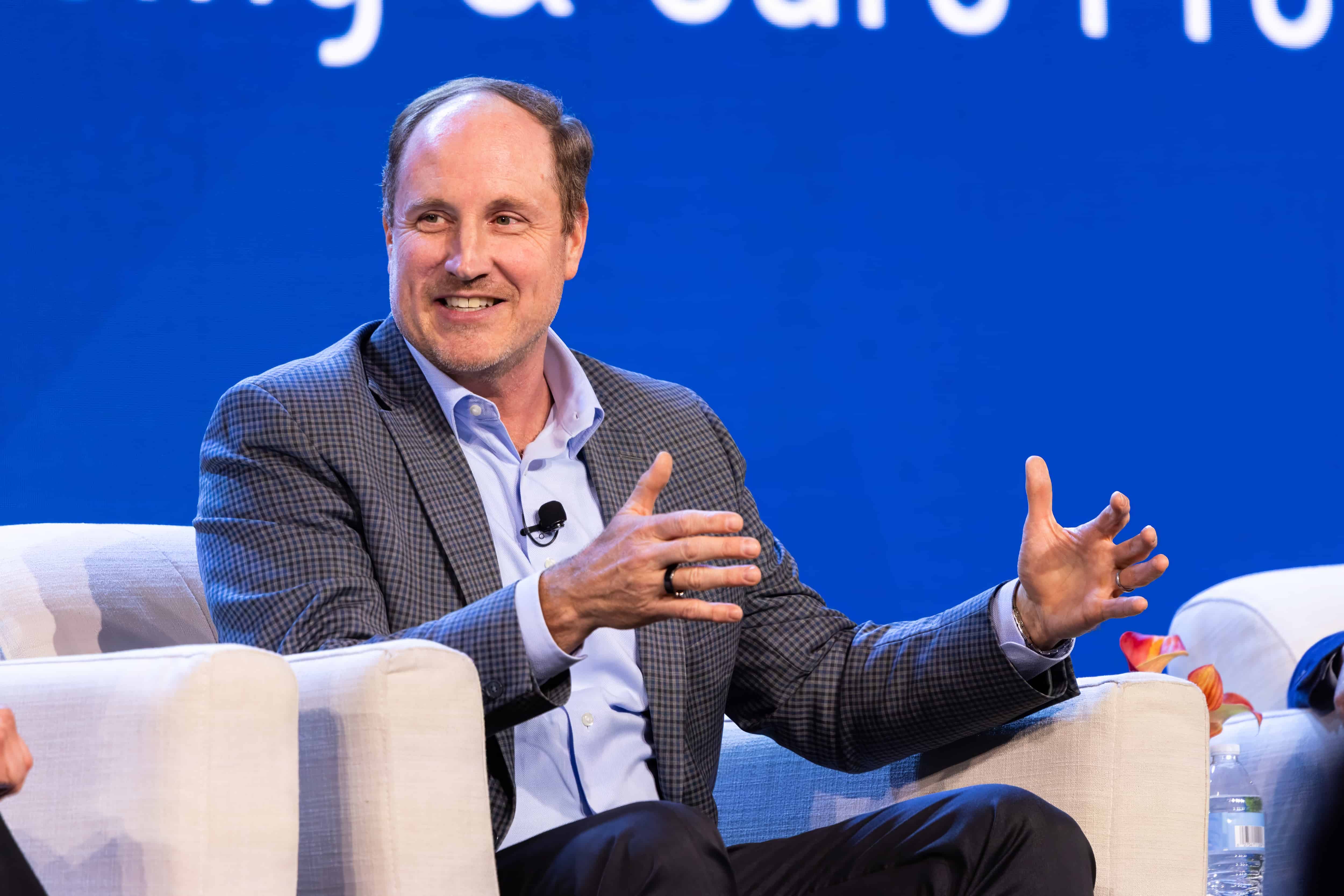
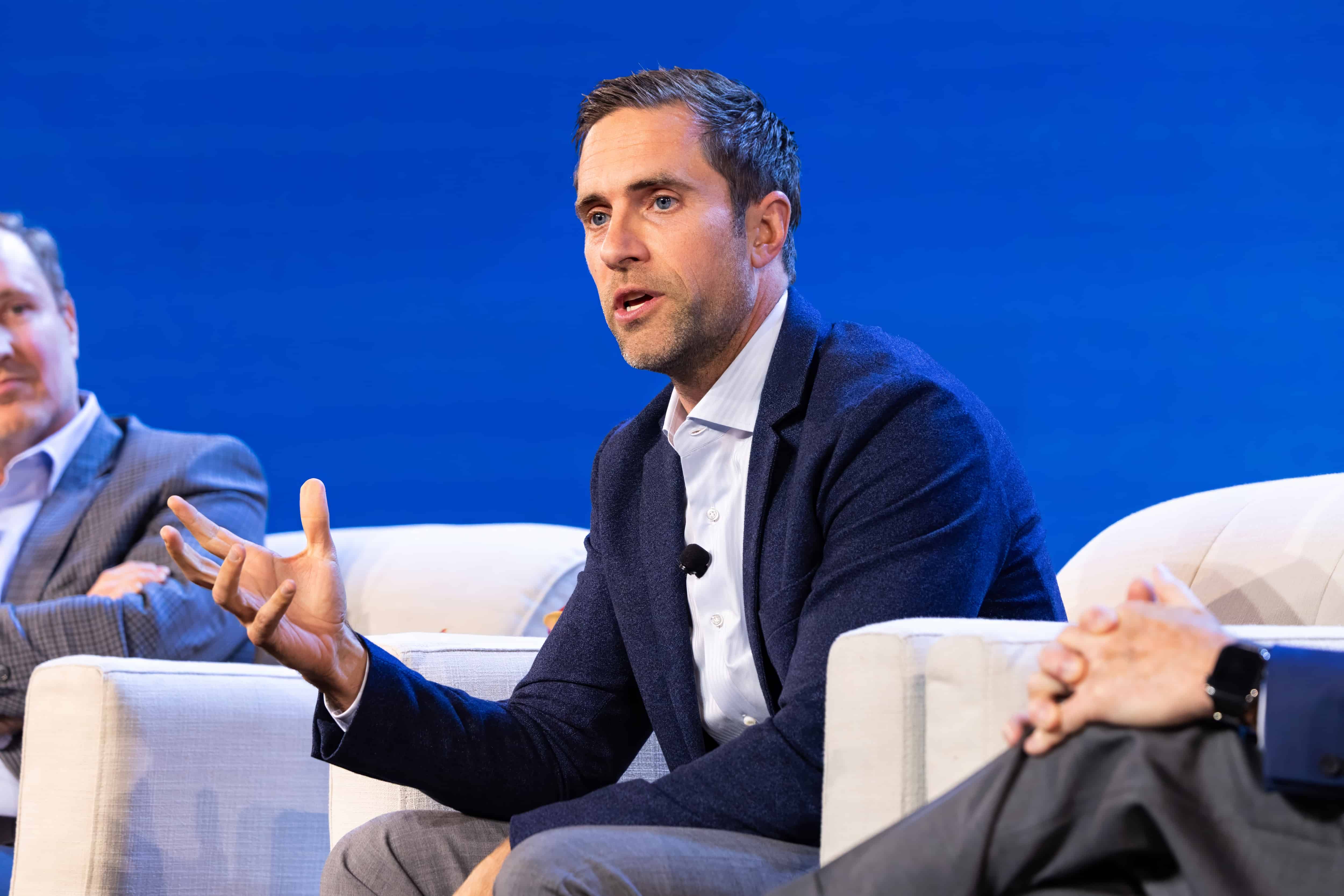
Ryan Frederick, founder and CEO of Here, argued that people should plan for how they age. “We don’t shape place, place shapes us,” he said. He also offered a challenge from his own reading of NIC MAP data: the industry serves a small share of older households, so it may know its residents but not the consumer. “If only 10% of seniors are moving to senior living, do we really know what seniors want?”
Bill Pettit, principal at Black Dog Capital Advisors, spoke to the supply and affordability math. The industry serves roughly 10% to 15% of older adults, he said, and he believes active adult can deliver much of the benefit of full-service senior housing at about half the cost. His view of the industry’s purpose did not waver: “We change lives in our industry.”
Adam Kaplan, CEO and founder of Solera Senior Living, described a move from reactive to proactive care, with passive monitoring in the background and a focus on the intersection of hospitality and longevity. He also made a case for the sector’s structure: “In senior living, it’s private pay. People can move out if they don’t like our product, and I love that.”
Gall closed the session with a challenge of her own. “Longevity may be inevitable, but for this group, what we do with it is really up to us.”
Lodging: Lessons From an Older Cousin
This session built on NIC’s lodging sector report, released earlier this year. Kurt Read of RSF Partners moderated a panel that included John Arabia of Taylor Vance LLC, Jack Callison of Sunrise Senior Living, Richard J. Hutchinson of Discovery Senior Living, and Dave Johnson of Horizon Capital. Hotels and senior housing share crossover investors and operators, and the panel asked what is practical to borrow.
Callison framed brands as a promise: “a brand is a promise, and that promise is things you can count on.” Locally, he said, that promise has to feel personal. Hutchinson agreed that local identity matters. “Each building’s a snowflake in the marketplace,” he said.
Arabia raised a caution from hotels about who owns the customer relationship: “be very careful about allowing intermediaries to fill your properties.” On data, Callison said capital from outside the sector is “incredibly frustrated by the lack of data and transparency,” and added that “data and transparency will unlock capital. It will unlock consumer trust.” Hutchinson described comparing data from company to company as “an absolute nightmare.”
“Scale should make a community better because it’s part of something bigger.”
Jack Callison, Chief Executive Officer, Sunrise Senior Living
Skilled Nursing: Why Quality Comes Before Capital
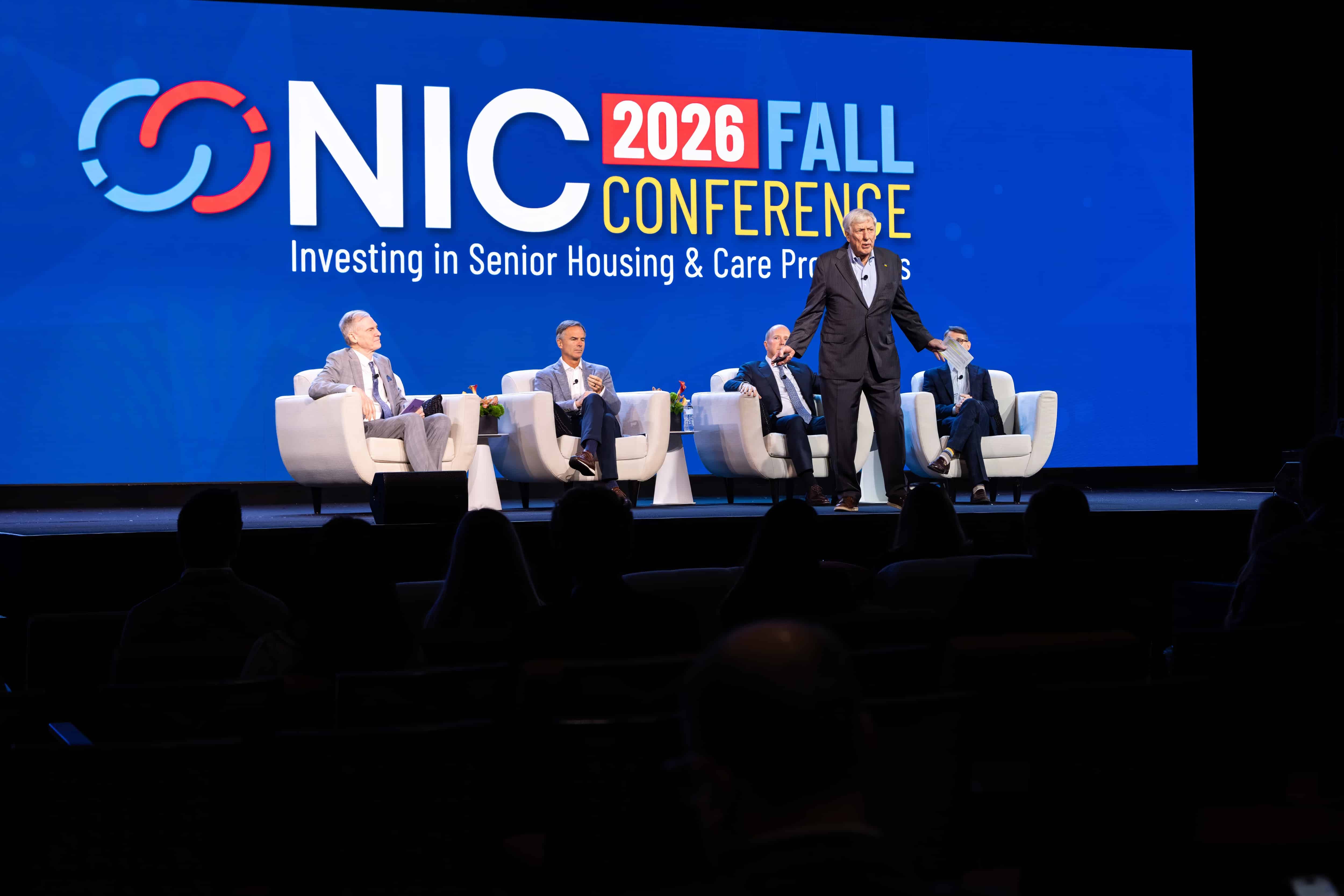
Mark Parkinson of Park Place moderated owners and investors Matthew Gourmand of Omega Healthcare Investors, Dave Sedgwick of CareTrust, and Ben Shibe of Cascade Capital Group. The session continued a conversation that began at the NIC Spring Conference with operators, this time from the investor’s side.
Sedgwick said CareTrust passes on operators that focus only on economics. “We look for folks who have a genuine commitment to their mission,” he said. His formula: a mission-driven organization attracts the best people, becomes the employer of choice, and then becomes the provider of choice. “There are no shortcuts.”
Shibe described quality measures as the scoreboard while adding that staffing is how organizations deliver those outcomes and that adding staff alone does not fix a poorly managed organization.
Sedgwick closed the loop with a story from CareTrust’s operator conference. The company asked operators to submit stories of staff members who went beyond the call of duty. The winner was an administrator who worked with her team to get a resident who is quadriplegic and on a ventilator to his son’s wedding, a three-hour trip up a mountain. CareTrust flew her and her husband to New York City to experience the kind of hospitality she had shown.
Middle Market: Three Models, One Barrier
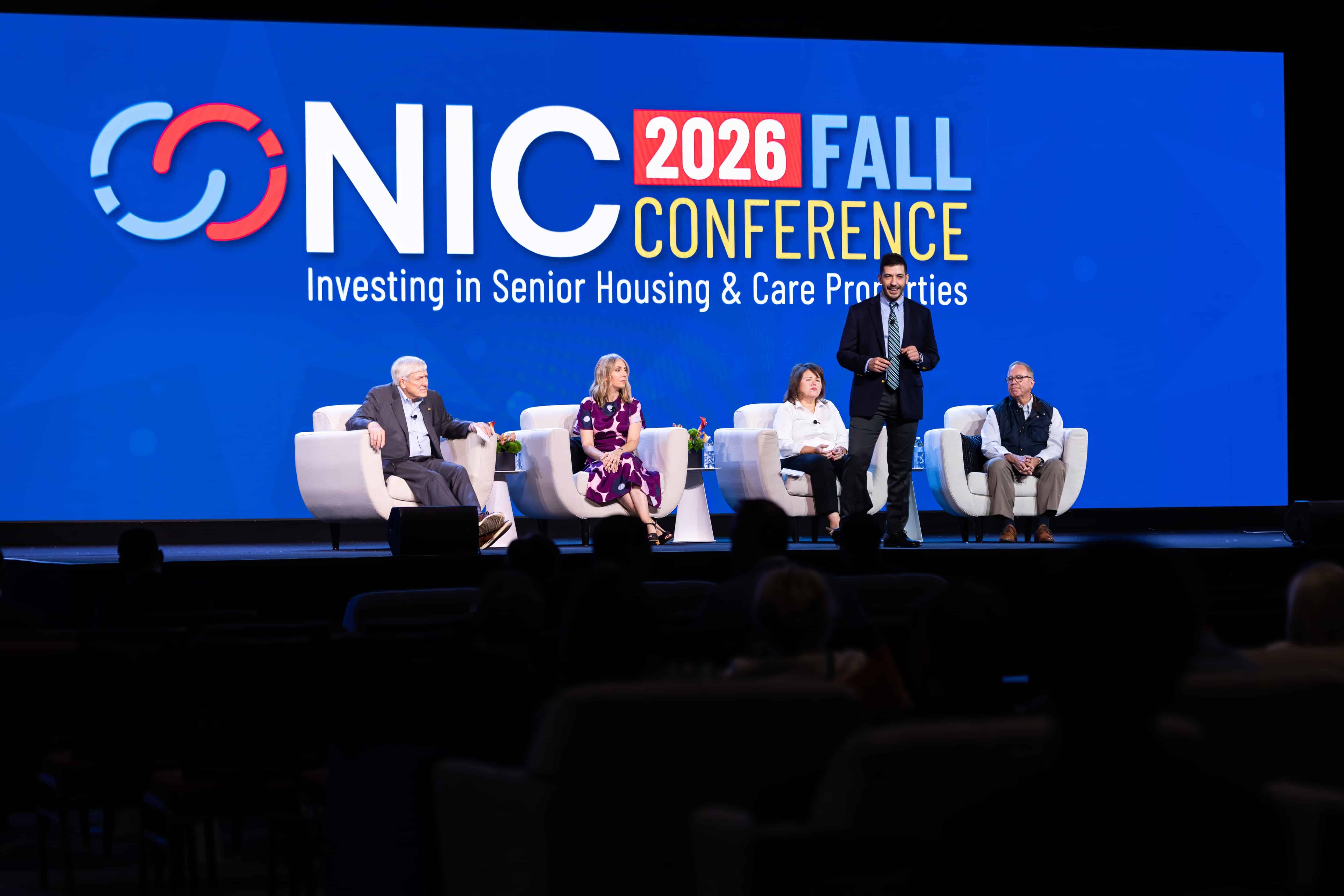
NIC senior principal Omar Zahraoui opened the session by reminding the room how the conversation has evolved since NIC’s original Forgotten Middle research in 2019. NIC has since added work with the Harvard Joint Center for Housing and the Milken Institute, launched the Senior Housing Affordability Calculator, and plans to update the Forgotten Middle study in 2027. He also drew two distinctions: the middle market is “not one consumer,” and some middle-market consumers are there by need while others are there by choice.
NIC co-founder Bob Kramer then moderated three operators offering three different models.
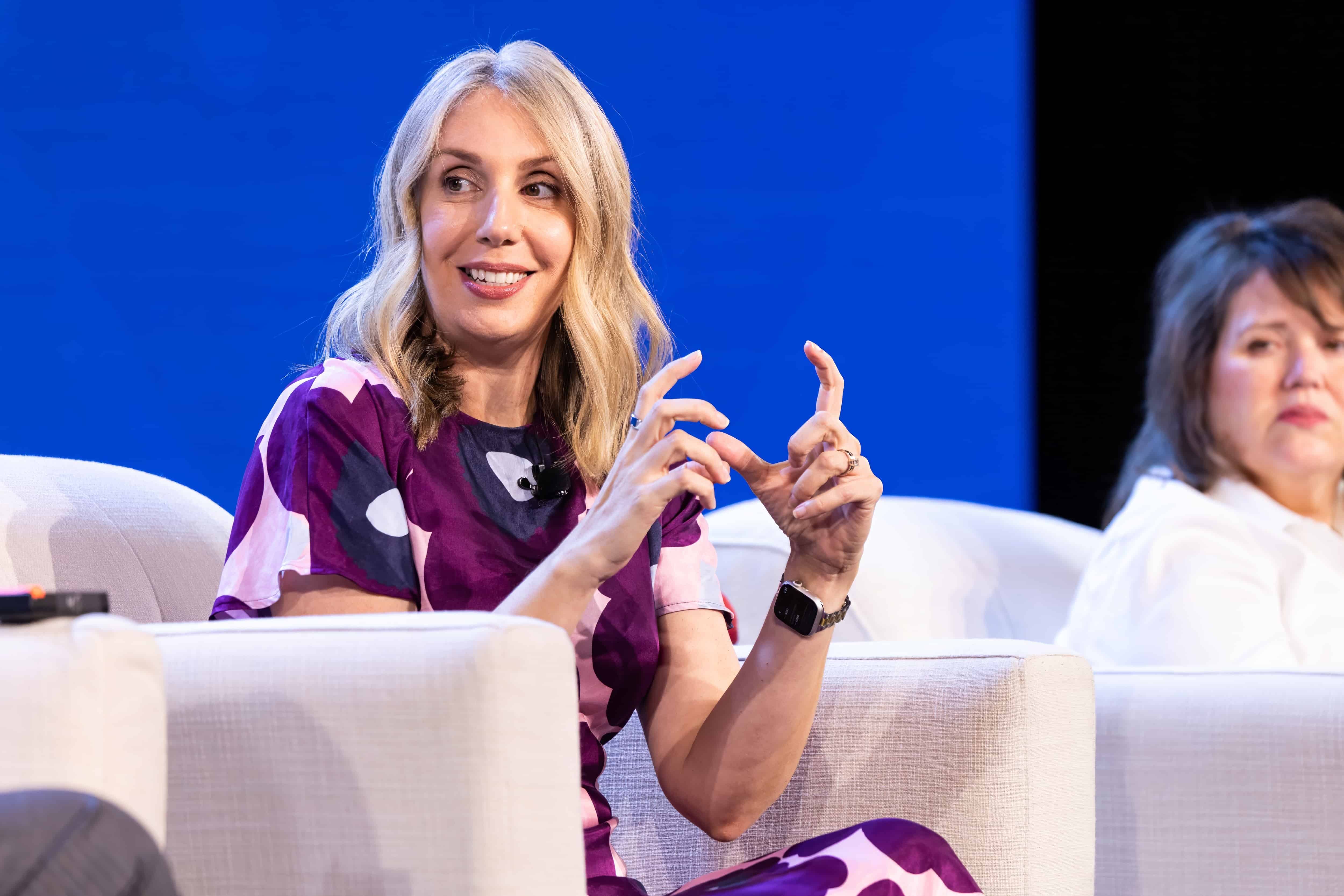
Bre Grubbs, chief strategy officer at Leisure Care, described a Northern California community of more than 300 apartments, 40% of them affordable. Affordable residents pay a base rate of $1,900 a month, while market-rate rents range from $3,000 to $9,000. They share the same programs and the same pool parties, and both groups have waiting lists. Laura Lamb, president and CEO of Episcopal Retirement Services in Cincinnati, described patio homes with no entrance fee, where she acts as “the convener of services” by bringing in local partners to provide them. Tod Petty of Mainstay described a vertically integrated platform in the Southeast that keeps costs down by doing construction, design, and operations in house, down to buying carpet from a distributor at 30 cents on the dollar.
The barriers they named were less about math than about mindset. Grubbs: “I think the biggest perceived barrier that maybe we all face is the perceived risk of doing something different.” Lamb pointed to financing that does not recognize new models: “We don’t fit in your box.” And she offered a risk argument for lenders: “What happens if it fails? You recover, you repurpose, you sell it.”
“We’ve got 60% of the market that can’t get in senior housing. And if we can crack that code, we can go there.”
Tod Petty, Chief Investment Officer, Mainstay Financial
Grubbs closed with a call to the room: “This is the single greatest opportunity that exists in providing housing for older adults today. It is also the greatest responsibility that we have at this moment in time.”
Radical Hospitality: From Task to Moment
Bob Kramer introduced this session by connecting it to the keynote. After Dychtwald’s talk on the customer, he said of the lessons ahead, “They’re not going to be optional. They’re not going to be an amenity. They’re going to be at the core of who you are as a provider to Boomers, to Gen X, and to Millennials.”
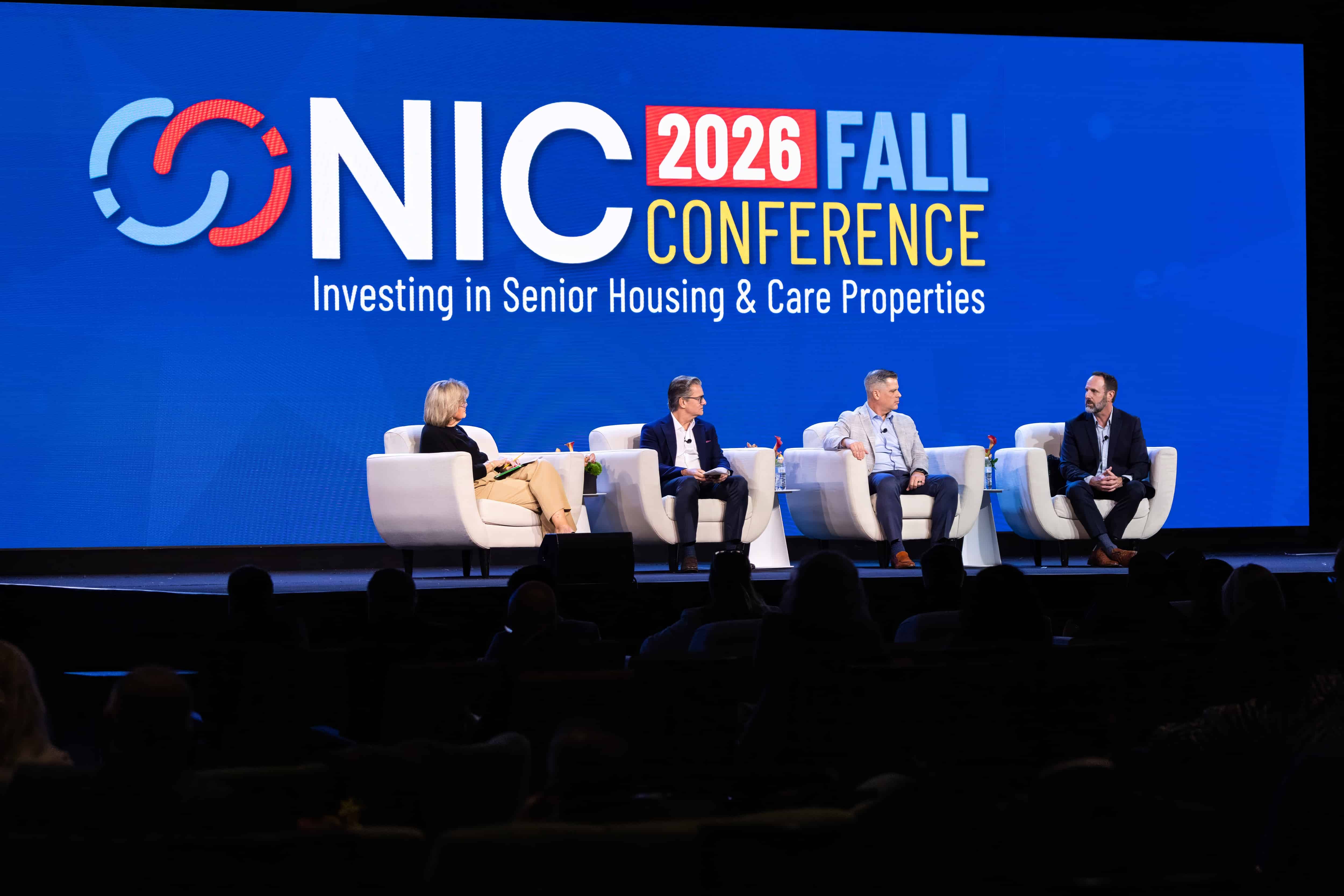
Moderator Debbie Brown, owner and principal of dbconsulting, led a panel with Dirk Burkharts, president at Aegis Living; Jason Childers, chief operating officer at Merrill Gardens; and John Hetzel, vice president of culinary at Atria Senior Living.
Burkharts offered a definition: “Service is black and white. Hospitality is color.” Childers described the difference between service and hospitality as completing a task versus “personalizing and creating a moment,” and said communities are now competing with every experience their next generation of residents has had at resorts, restaurants, and spas.
Hetzel said Atria’s highest-performing communities on customer satisfaction are also its highest performing financially, with strong rate growth, margin, and occupancy, and a large share of move-ins from referrals. Burkharts shared a small example of the point: a care team member grabbed three balloons for a resident who loves them. “That didn’t cost a penny,” he said.
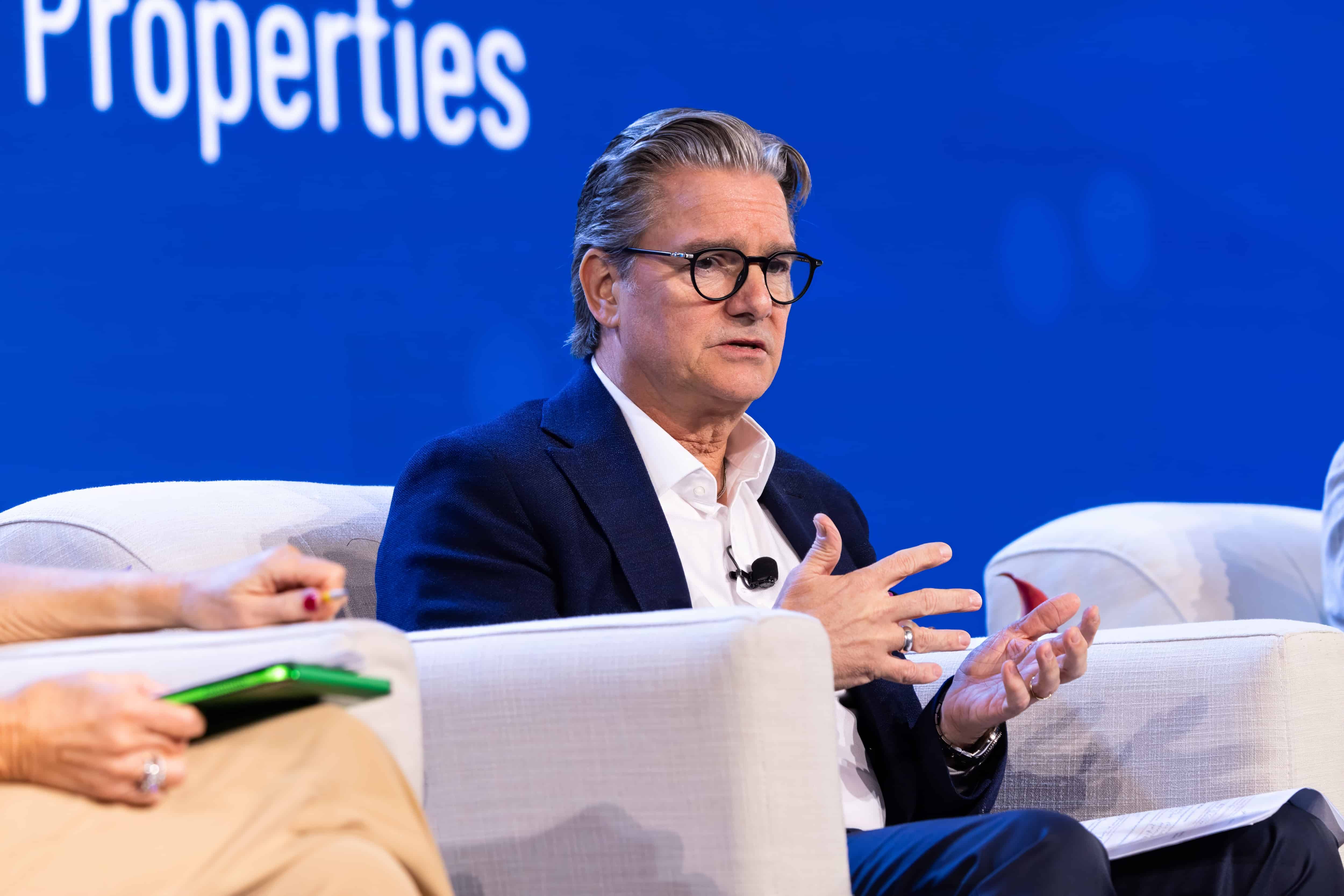
“We’re hiring people for their heart, and we can teach them the skills.”
Jason Childers, Chief Operating Officer at Merrill Gardens
The Economy: Resilient, With a Long View
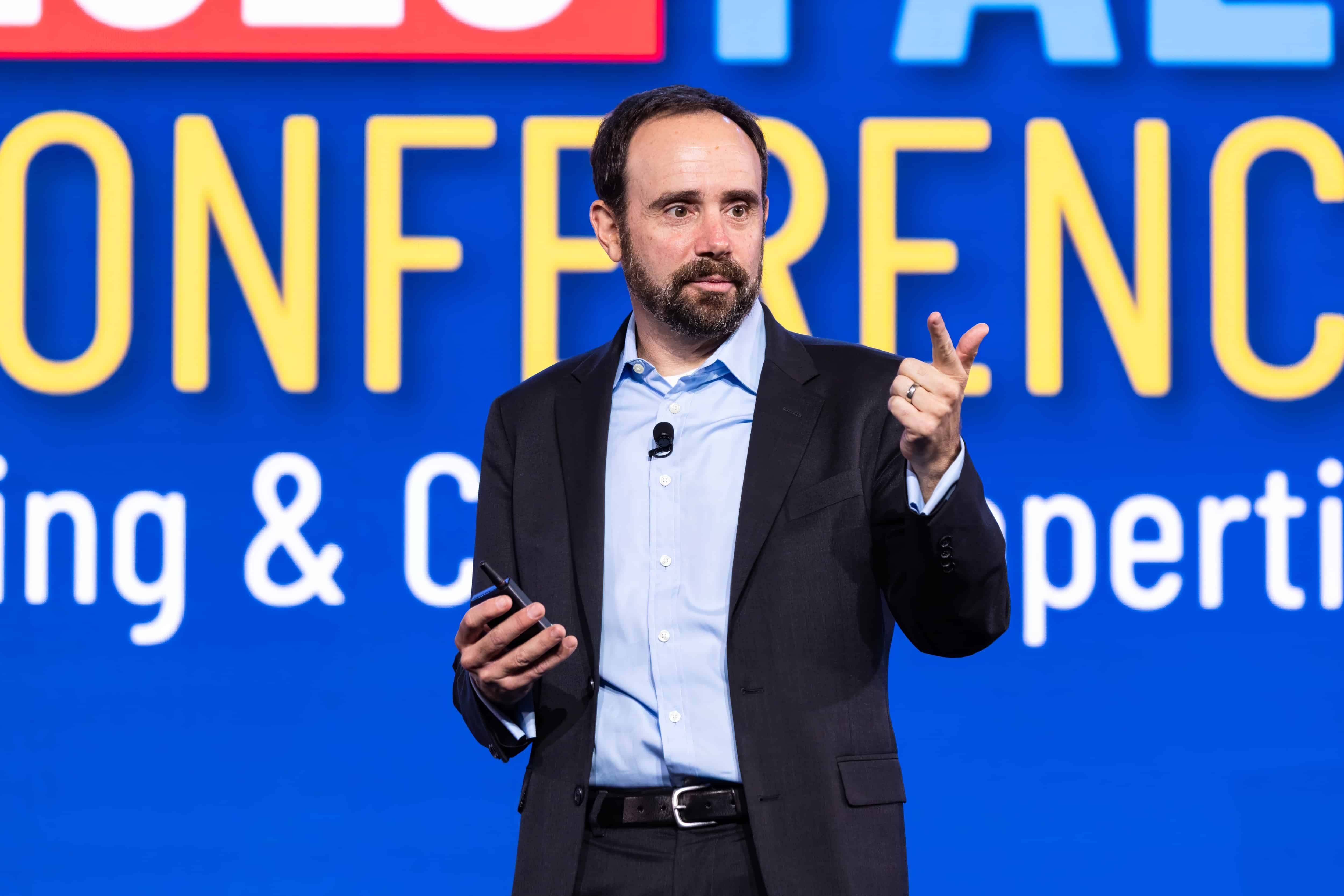
Eric Winograd, director of developed market economic research and chief U.S. economist at AllianceBernstein, provided an economic outlook, then joined Lisa McCracken, NIC’s head of research and analytics, for a conversation about what it means for senior housing and care.
He called artificial intelligence a major force in the economy and drew a line that stayed with the room: “AI rewards the owners of capital, punishes the owners of labor.” On demographics, he did not hedge: “Demographics are destiny.”
His advice to a room of investors and operators was to tune out the noise. “You should never watch financial media,” he said. “Think medium term. That’s your job.”
“Ten years from now, we’re not going to remember if the Fed raised rates in October or in December. We’re going to remember if the economy managed to stay on its footing.”
Eric Winograd, Chief U.S. Economist, AllianceBernstein
Development: The Case for Building Again
“From Standstill to Strategy: Reigniting Senior Housing Development” asked what it will take to get new communities built. Moderated by Aaron Becker, senior managing director and head of Seniors Housing & Healthcare Production at Lument, the session featured panelists Samantha Eckhout, managing director of investments at REDICO; Steve Marker, senior vice president of development at Brightview Senior Living; Molly Odgers, vice president of the Senior Housing Group at BOK Financial; and Jennifer Wong, director of acquisitions at AEW Capital Management.
The discussion explored the factors continuing to constrain development, including elevated construction costs, interest rates, and pressure on project economics. Marker said development is not keeping pace: “We track all of the development that’s coming through and I don’t see any chance that we’re keeping up with demand for senior housing.” Odgers described where financing stands: “Much of what’s getting done right now is sponsor driven. Lenders are more willing to stretch for the right sponsor.”
Panelists also looked at what gets built. Wong said conversions are “always compelling on paper,” but “you just can’t retrofit in a way that works for today’s consumer.” Eckhout pointed to the resident experience: “As an industry we don’t spend enough time talking about the resident experience. I am thinking a lot about how organic experiences happen within a community.”
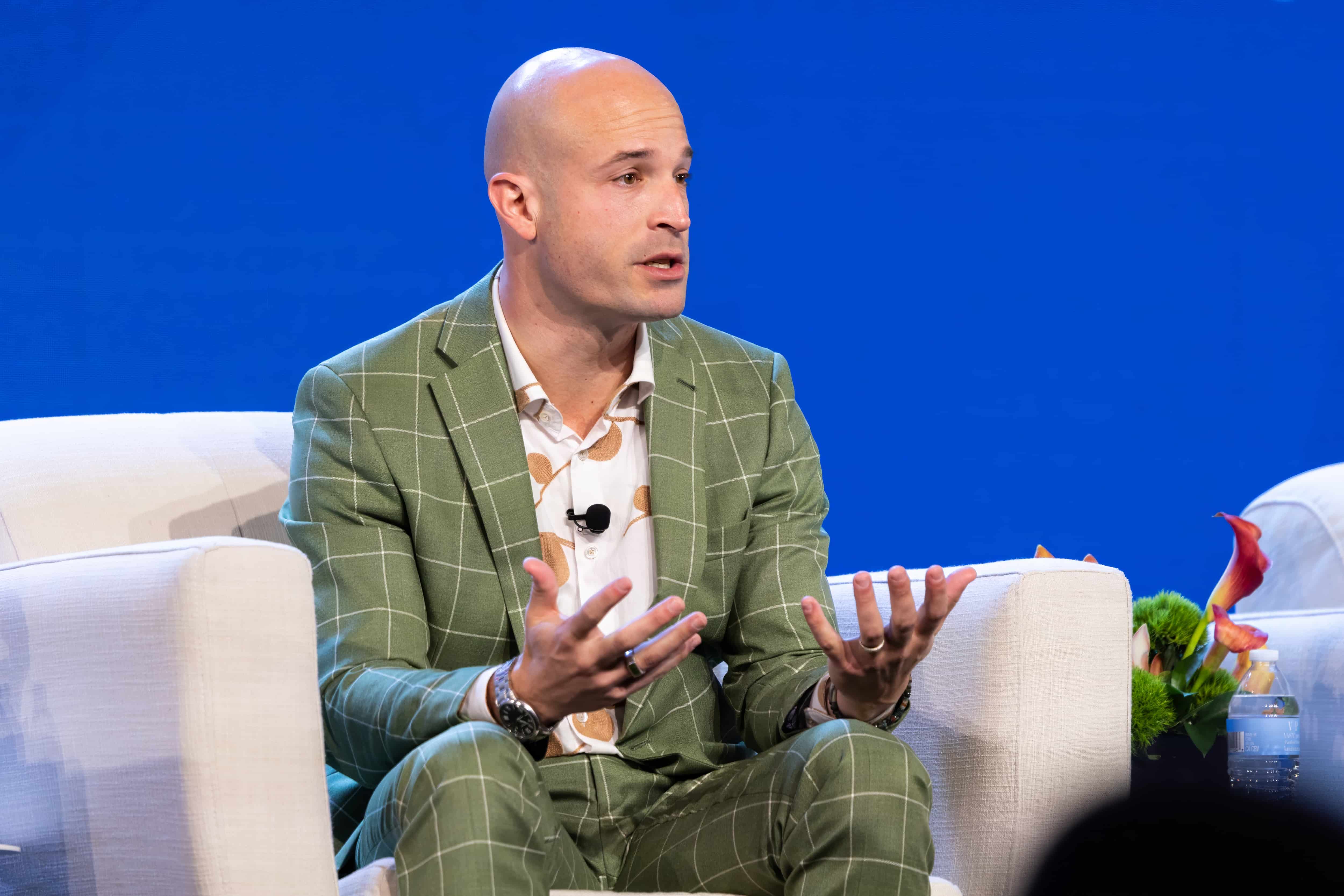

Capital Markets and Valuations: Operator, Location, Operator
The closing capital markets session is a staple of the NIC Fall Conference, with this year’s session focused on record transaction volume and intense competition. Aron Will, vice chairman at CBRE, moderated Ayesha Menon of Bain Capital, John Pawlowski of Green Street, and Gabe Willhite of American Healthcare REIT.
Will framed valuation around two forces: “There’s really two arbiters of value – underlying debt cost and liquidity.”
Willhite cautioned against reading cap rates as a shortcut. “It’s not just a cap rate game, right? It’s what are you capping,” he said. He added that buyers often assume a higher cap rate guarantees a higher yield: If cap rates are higher on a deal, there’s a reason. Not to say they are bad deals, just that they are higher risk.”
“In real estate, it’s location, location, location. And in senior housing, it’s arguably operator, location, operator.”
Aron Will, Vice Chairman, CBRE
One Question, Many Answers
The sessions covered different ground but the same question ran throughout: what will it take to change with the customer? NIC’s role is to put the data and the people in the same room and let the conversation do its work.

The 2027 NIC Spring Conference takes place in Dallas, March 15 to 17. Join the waitlist. For more from the Fall Conference, read the full recap at “Changing with the Customer: Takeaways from the Record-Setting 2026 NIC Fall Conference” and the closer look at the Innovation Labs at “In the Innovation Labs: Where Operators and Investors Got Specific”.