A record crowd in Chicago spent three days on one question: how does senior housing and care keep pace with the older adult customer as that customer changes?
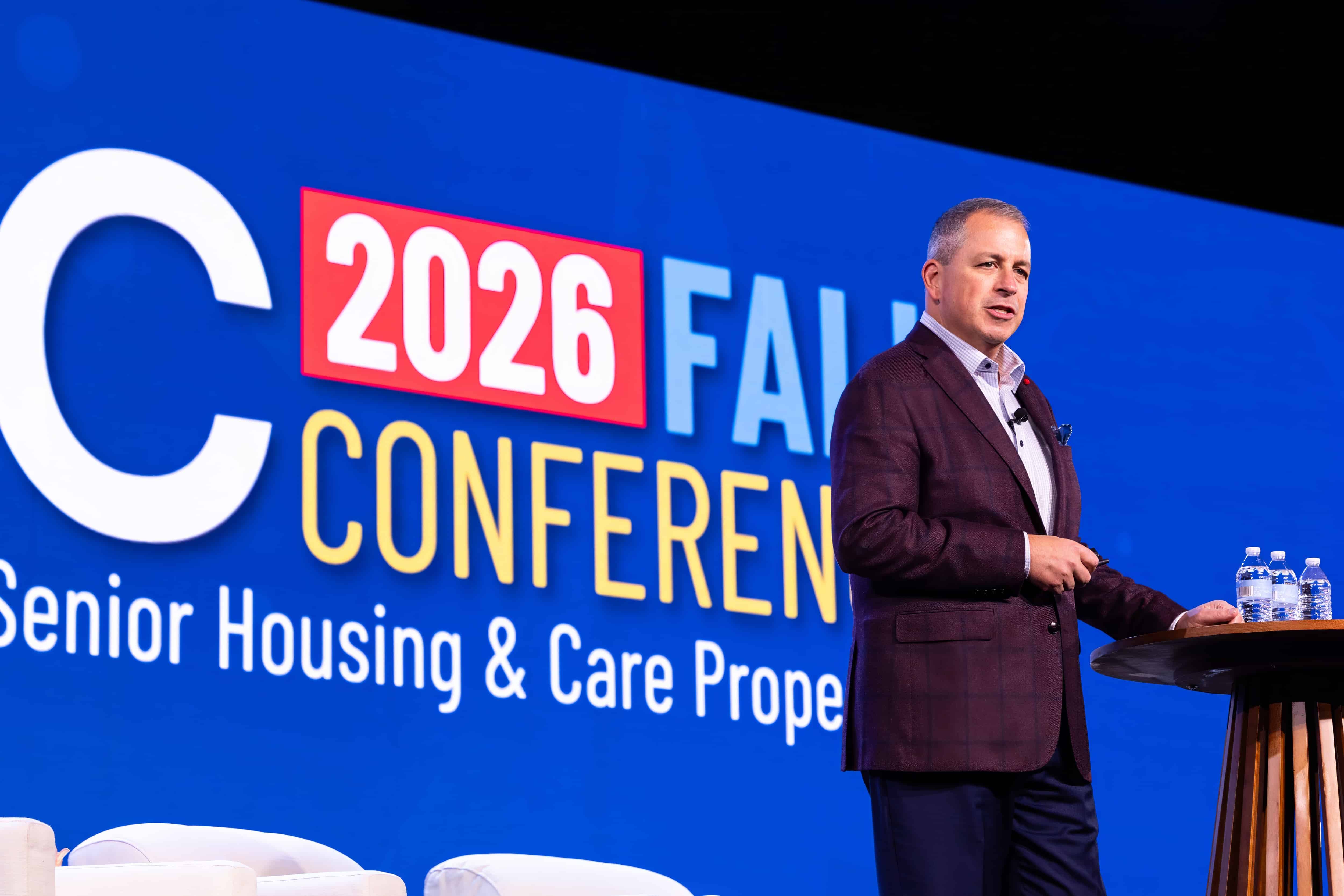
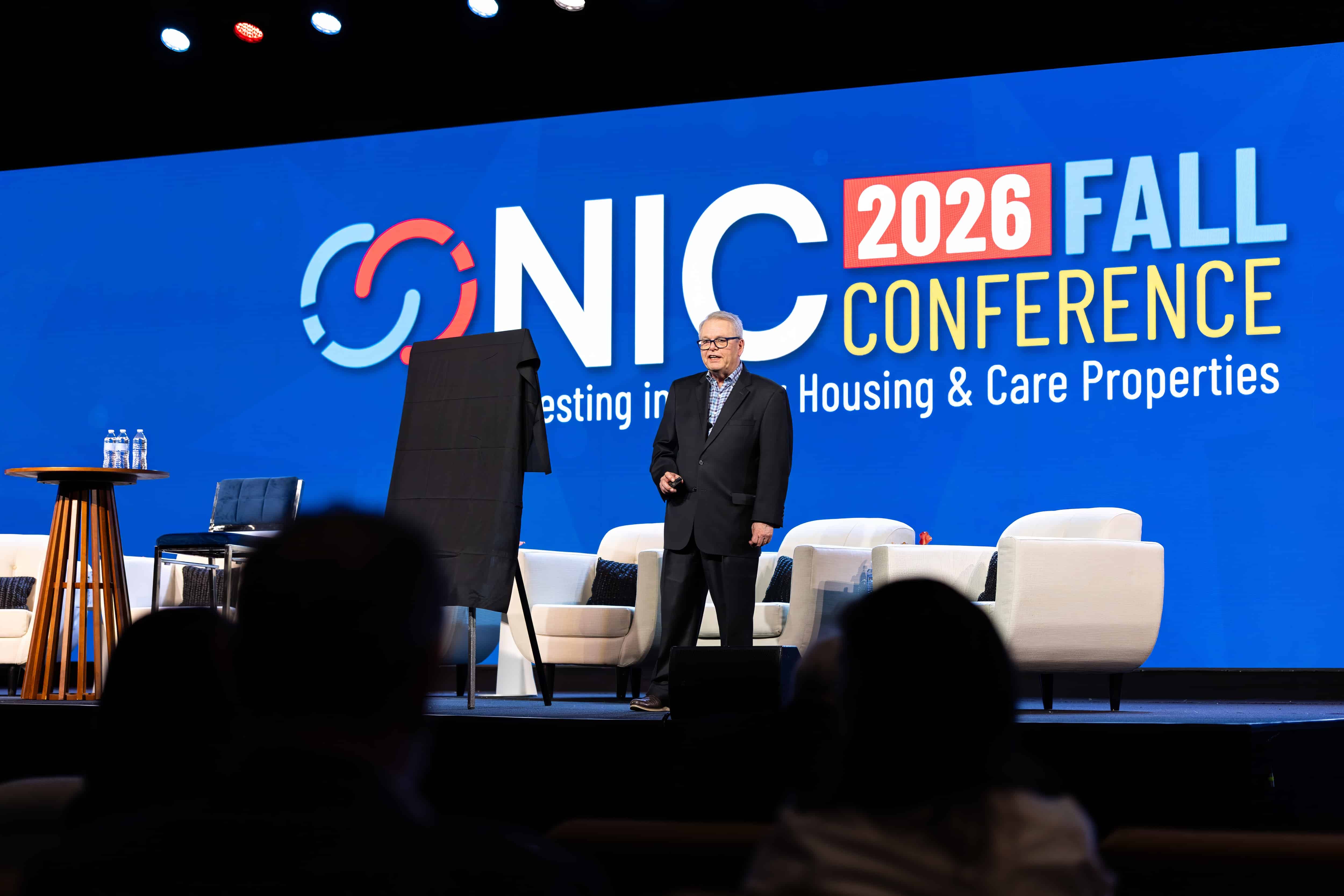
On the first afternoon of the 2026 NIC Fall Conference, NIC Board Chair Ken Segarnick gave the room a question to hold onto: “If the customer is changing this much, what will it take for us to change with them?”
For three days in Chicago, October 21 to 23, the senior housing and care community kept working on it. Capital providers asked it about valuations. Operators asked it about hospitality, repositioning, and the workforce. Researchers, economists, and technologists asked it about what older adults will want from the decades they are gaining. The answers did not always agree, and that was useful.
A Record Year for NIC’s 35th Anniversary
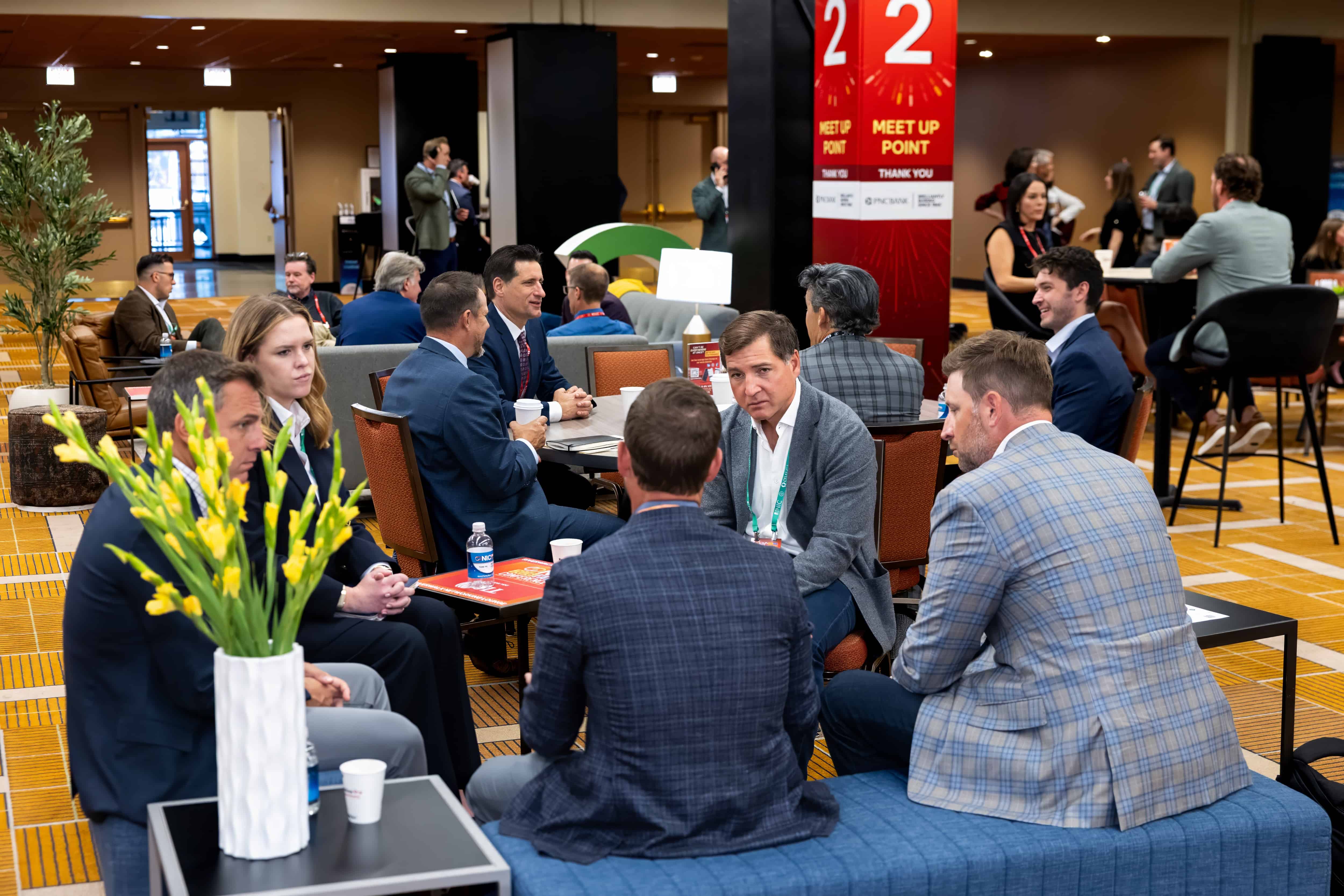
The conversations drew the largest audience in NIC’s history, with 3,704 people in the room during NIC’s 35th anniversary year. The conference welcomed 698 first-time attendees, representing nearly one in five registrants, and brought together professionals from more than 1,400 companies. Operators and capital providers made up 69.71% of registrants, reflecting the strong representation of key industry stakeholders.
The number matters less than who it represents. People who allocate capital, operate communities, and build and supply them chose to spend three days talking with one another, in person, about where senior housing and care goes next.
The Session That Framed the Week
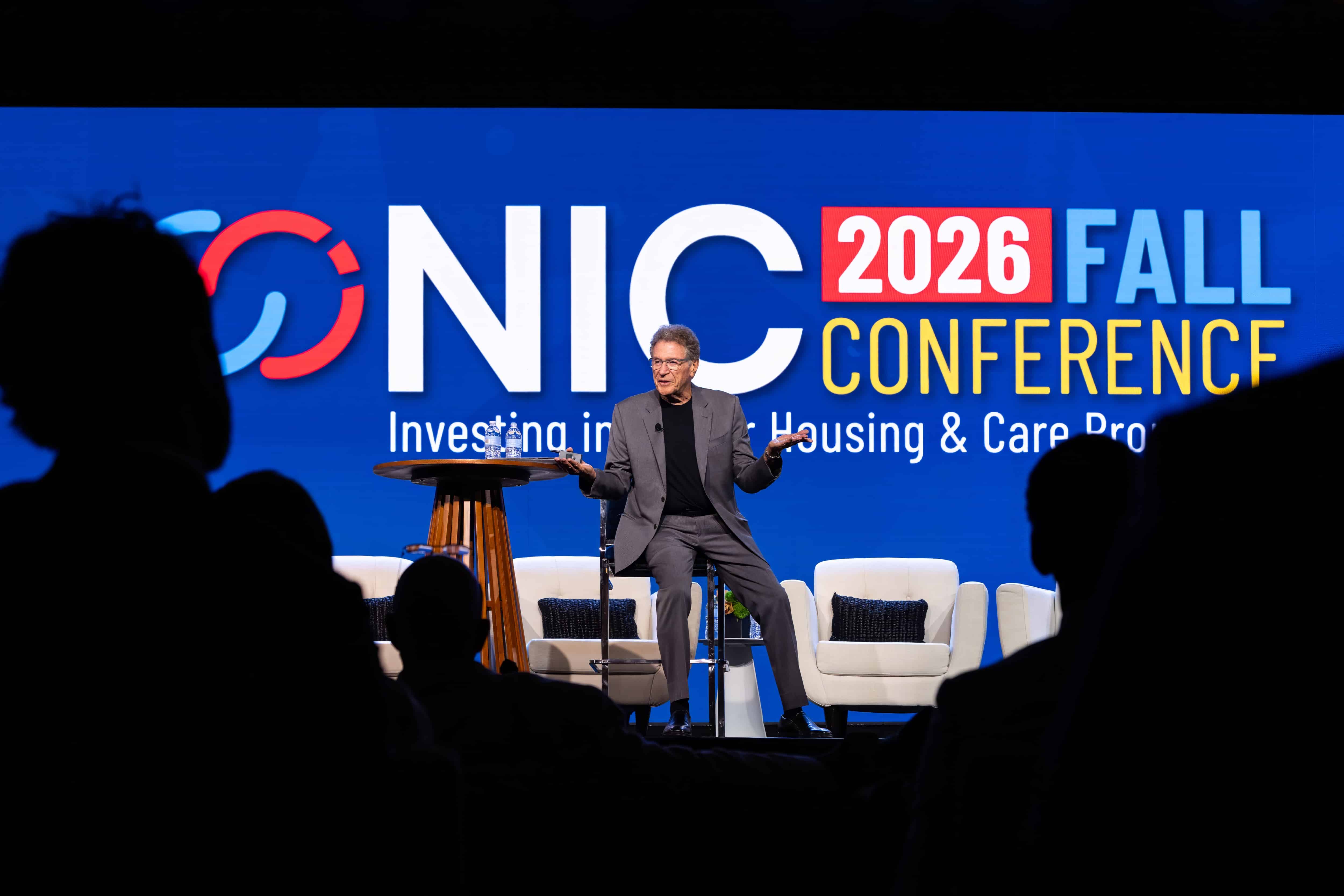
The opening Premier Session, “Aging Reimagined: What Comes Next for Senior Housing and Care,” asked the industry to start with the changing customer. Keynote speaker Ken Dychtwald, PhD, founder and CEO of Age Wave, has studied aging since 1974. He opened with a show of hands: who in the room would like to live to 100? About half raised a hand. When he added “no matter what,” almost every hand came down.
The reasons people called out told the story: quality of life, friendship and family, and the desire for a vital health span, not just more years. Dychtwald built his talk on that distinction. The customer is changing, he argued, in ways that will test long-held assumptions about who senior housing serves and what they want from it.
He described a silent generation that has made up most senior housing residents, inclined to trust authority and follow rules, and a boomer generation that is more rebellious and individualistic. His advice to operators: “Get ready for the complaining. Get ready for the demands.” The vocabulary may need to change too. “Boomers don’t ever want to be a senior,” he said, and he floated a different frame: “Maybe it’ll be longevity housing.”
“There’s a new age of aging coming.”
Ken Dychtwald, Founder and CEO, Age Wave
Dychtwald pushed on harder questions as well: why Americans’ healthspans trail their lifespans, why a third of people over 65 see five or more physicians who rarely coordinate, and what an industry built around late-life struggle could look like if it instead were built around aspiration. He closed by asking the industry to take a stand on the questions that will define the next era, from purpose in later life to brain health to a wider market than senior housing serves today.
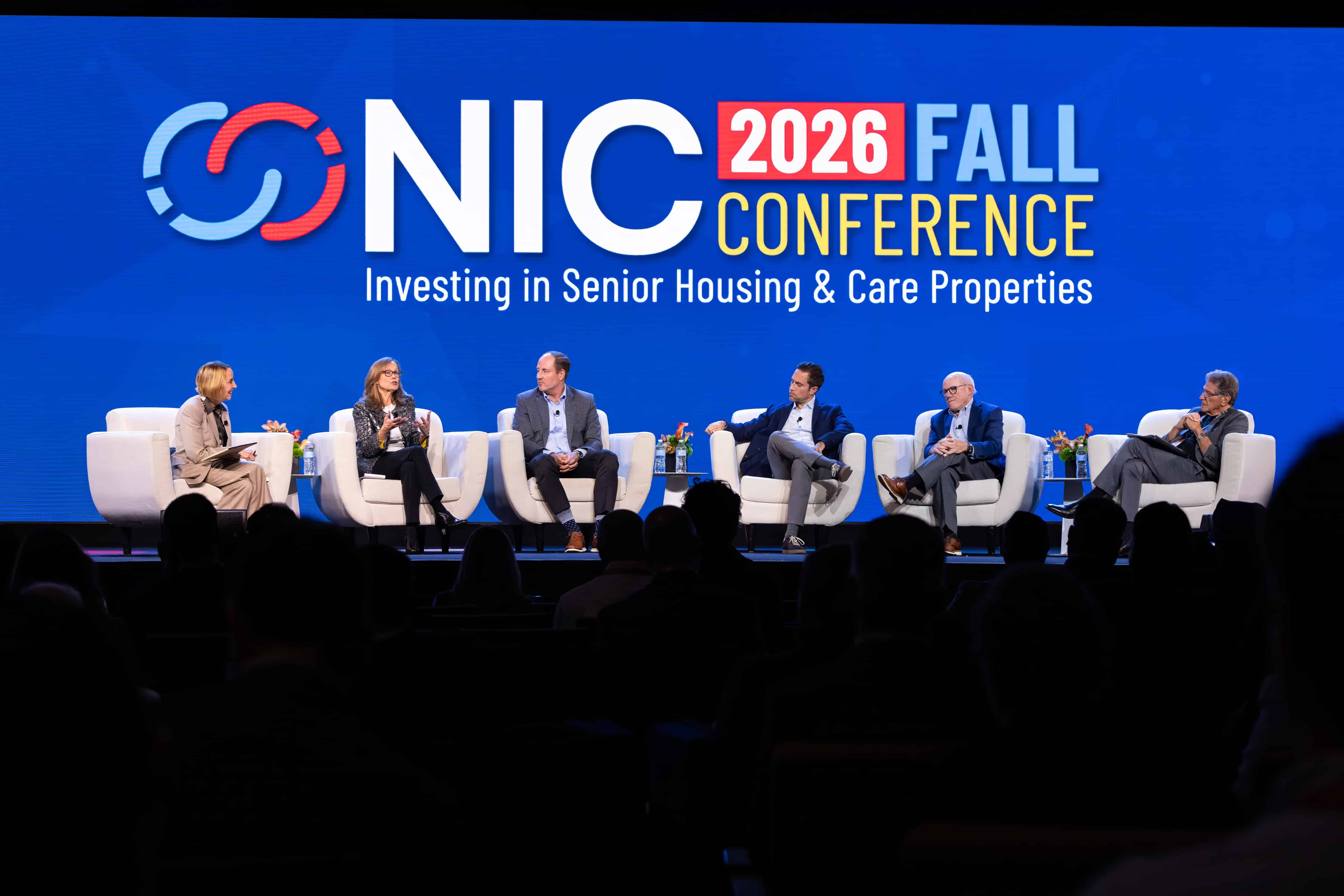
A follow-up panel led by Tana Gall, president of Merrill Gardens, put the ideas to work. Panelists took up intergenerational partnerships with universities, the gap between how people hope to age and how they plan to, and what it would take to reach the older adults the industry does not serve today. Gall summed up the mood: “Longevity may be inevitable, but for this group, what we do with it is really up to us.”
This is the kind of conversation the NIC conference exists to facilitate: one that puts the changing older adult customer at the center and invites the people who finance, build, and operate senior housing to respond. Dychtwald’s questions deserve more room than a recap allows, and we will have more to say soon.
Conversations That Carried the Thread
Across the main stage, the same question kept coming back in different forms.
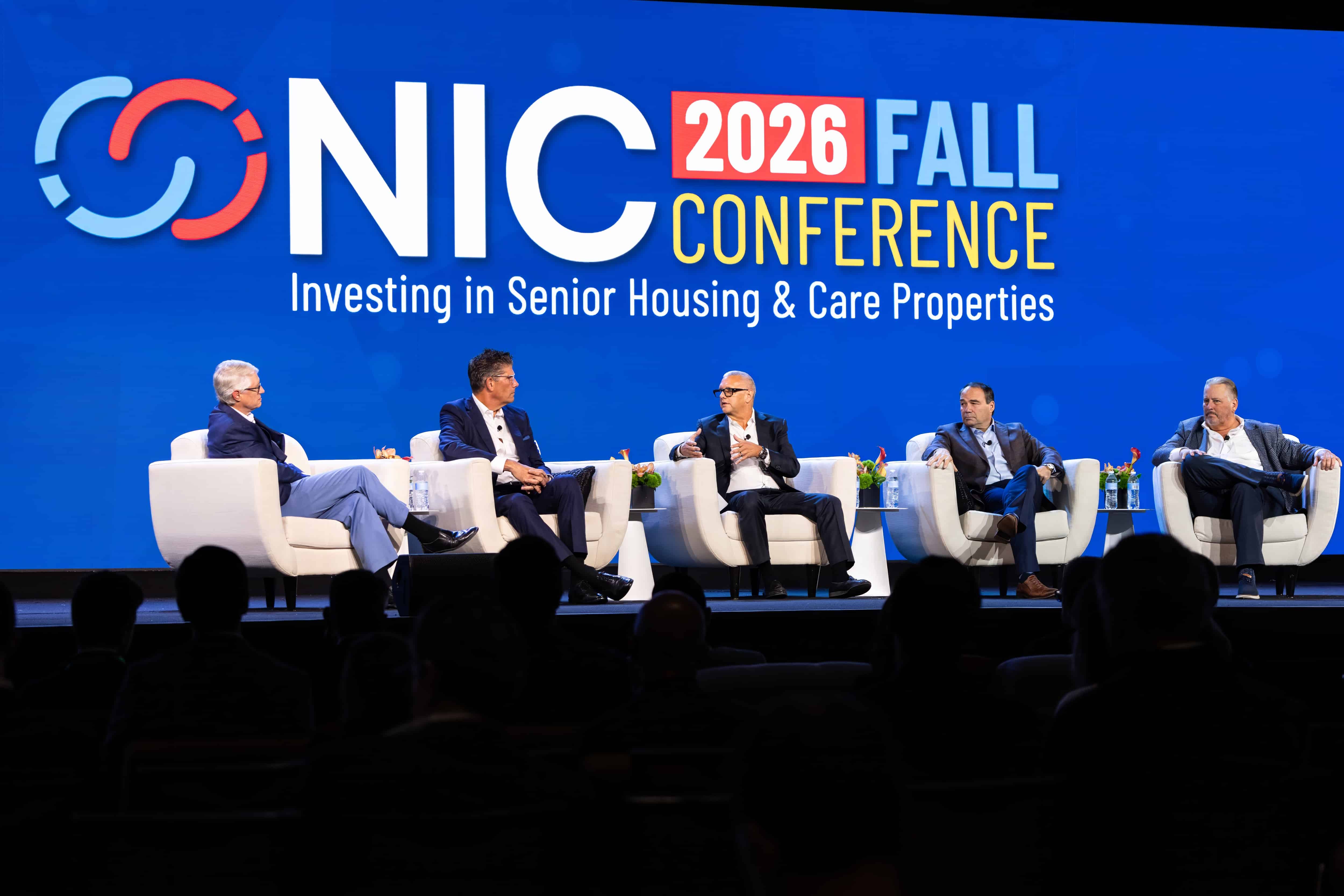
Lodging offered one lens. In “The Lodging Sector Evolution & Playbook: Possible or Practical for Senior Housing?,” leaders from the hotel and senior housing industries compared how brands, ownership, and operations fit together, and what senior housing can learn from the evolution of the lodging industry. Jack Callison, CEO of Sunrise Senior Living, offered a test for scale: “scale should make a community better because it’s part of something bigger.”
Quality came up as a condition of capital. In “The Case for Quality in Skilled Nursing Investment,” Dave Sedgwick, president and CEO of CareTrust, described the path he sees: a mission-driven organization attracts the best people, becomes the employer of choice, and then becomes the provider of choice. “There’s no shortcuts,” he said.
Affordability moved from diagnosis to design. In “It’s Time to Make Middle Market Housing & Care a Reality,” three operators showed three different middle market models that work. Bre Grubbs of Leisure Care named the biggest barrier as “the perceived risk of doing something different.” NIC also announced plans for a new Forgotten Middle study in 2027.
Hospitality tied back to the keynote. NIC co-founder Bob Kramer introduced “Service as a Strategy: Building a Culture of Radical Hospitality” by pointing to Dychtwald’s generational profiles and telling the room the lessons ahead were “not going to be optional” and “not going to be an amenity.” On the panel, Dirk Burghartz of Aegis Living put it simply: “Service is black and white. Hospitality is color.”
The economy update came with a long view. Eric Winograd, chief U.S. economist at AllianceBernstein, told operators and investors to look past the daily noise: “Don’t focus on the short term; think medium term. That’s your job.”
The conference closed on price. In “Capital Markets & Valuations,” moderator Aron Will of CBRE reached for a real estate rule of thumb and updated it: “In real estate, it’s location, location, location. And in senior housing, it’s arguably operator, location, operator.”
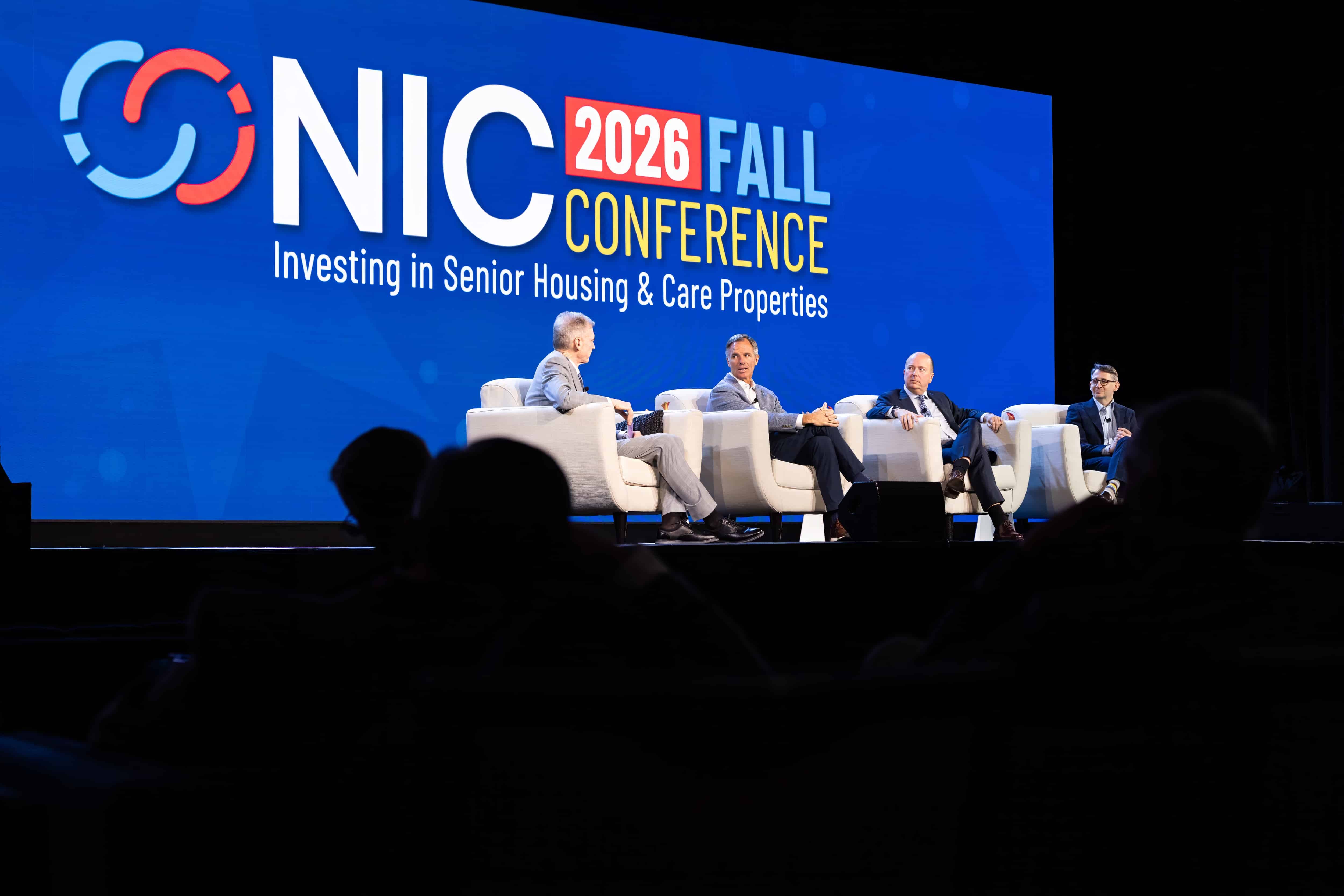
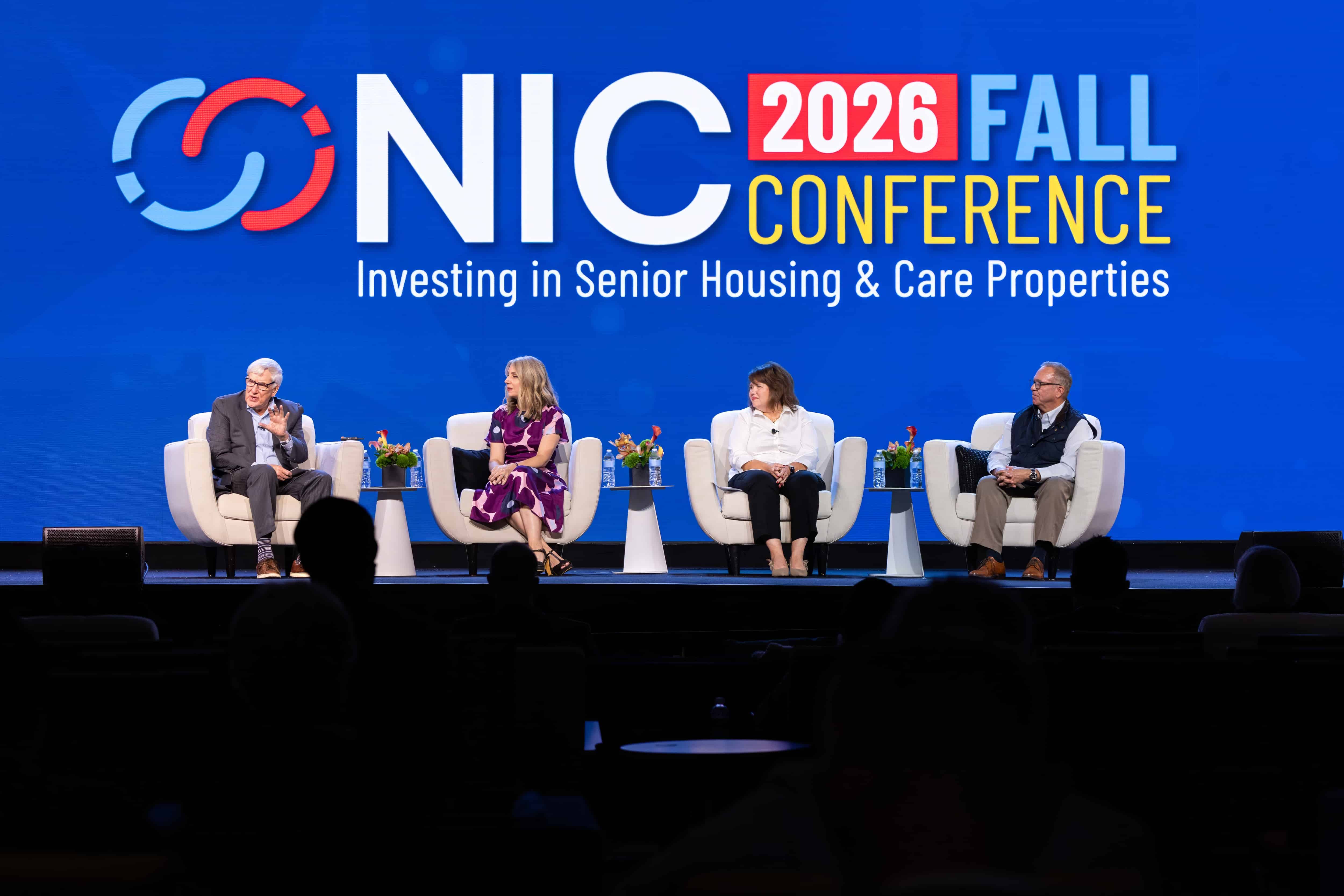
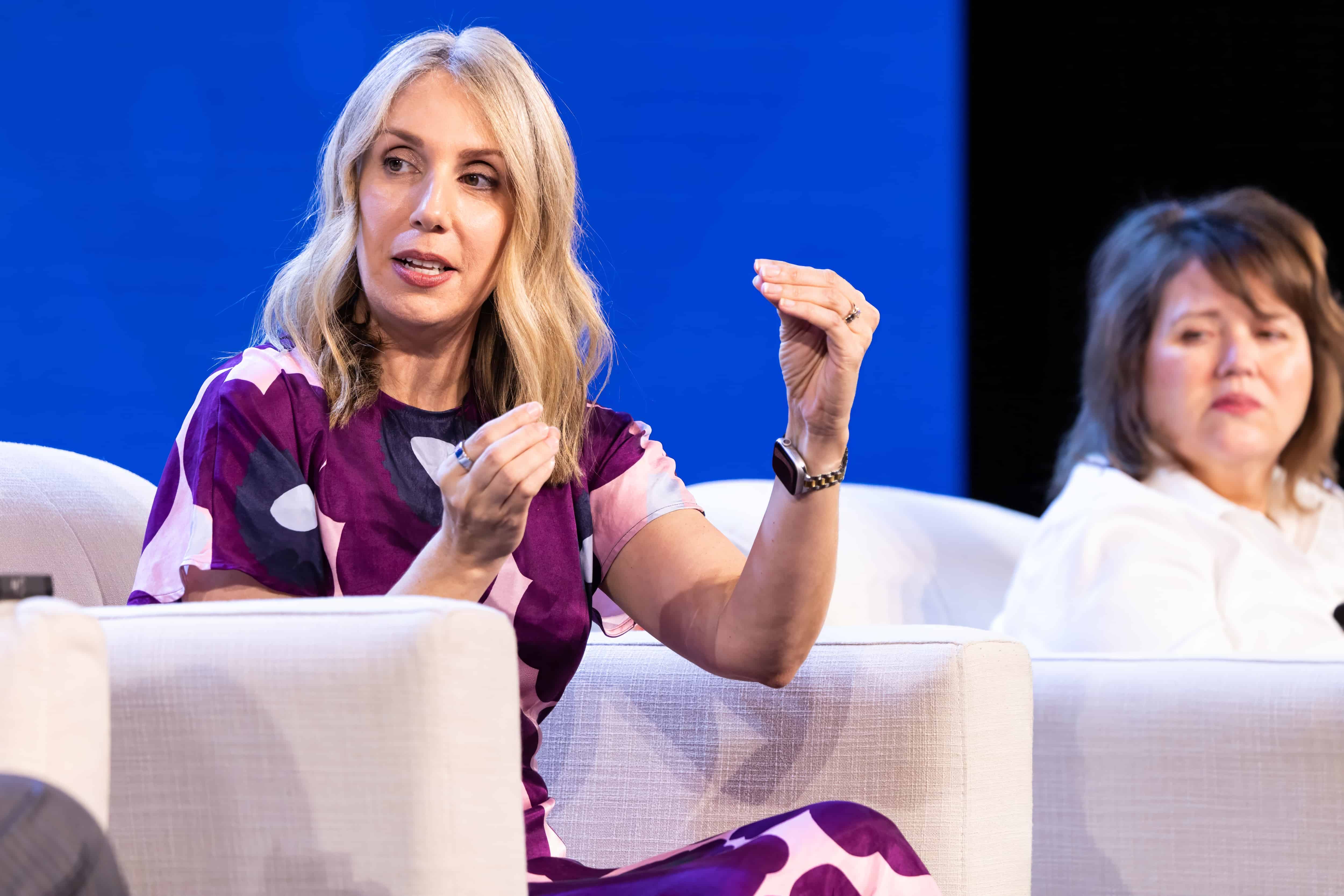
Read the closer look at the main stage sessions: “From Longevity to Cap Rates: What the Main Stage Conversations Revealed”.
Smaller Rooms, Sharper Questions
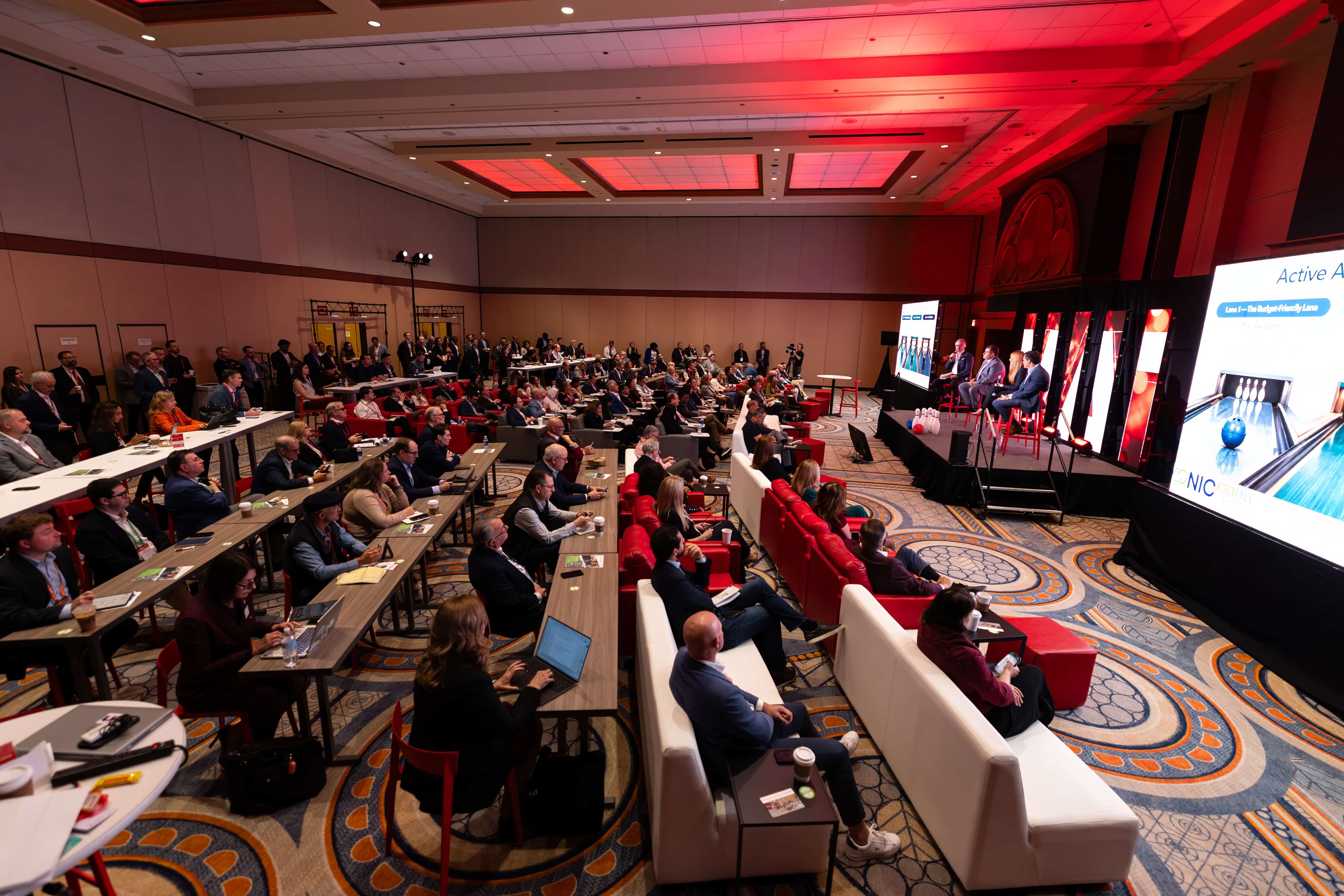
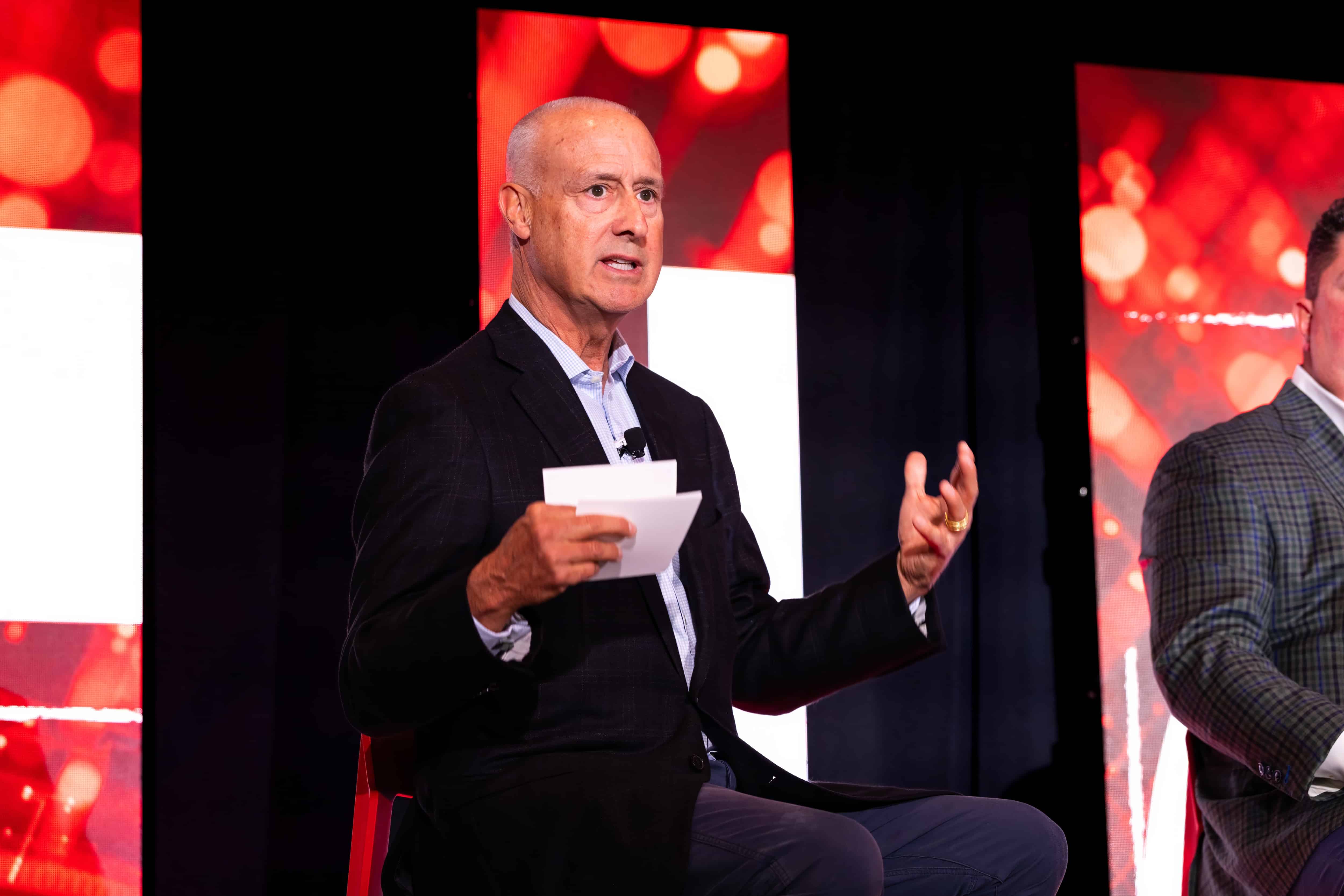
Alongside the main stage, five Innovation Lab sessions put operators and investors in smaller rooms to work through the how. Panelists compared when to refresh an older community and when to reposition it. Active adult operators laid out three business models. A panel on healthspan took up themes from the opening keynote, and HumanGood CEO John Cochrane named one of the field’s habits directly: “We’ve de-risked aging to the point where we’ve actually infantilized people.”
Other sessions covered how operators and REITs build a SHOP relationship that lasts, and what AI tools already tell your prospects before they ever call. Renee Kimberly of Senior Lifestyle said AI is “doing a really good job right now of synthesizing empathy,” a point that sent the room back to the value of human connection.
Read the closer look at the Innovation Labs: “In the Innovation Labs: Where Operators and Investors Got Specific”.
What Makes a NIC Conference Different
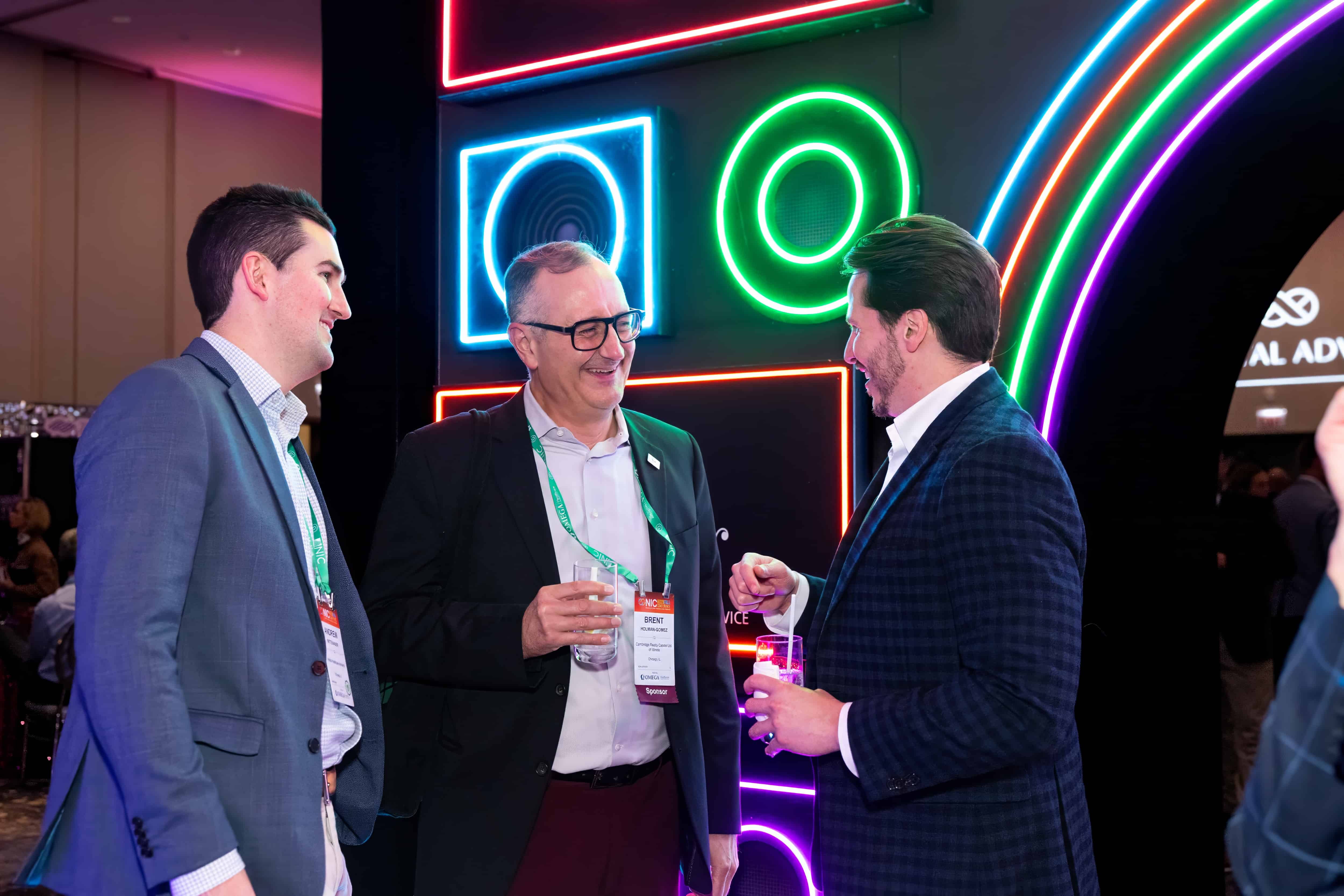
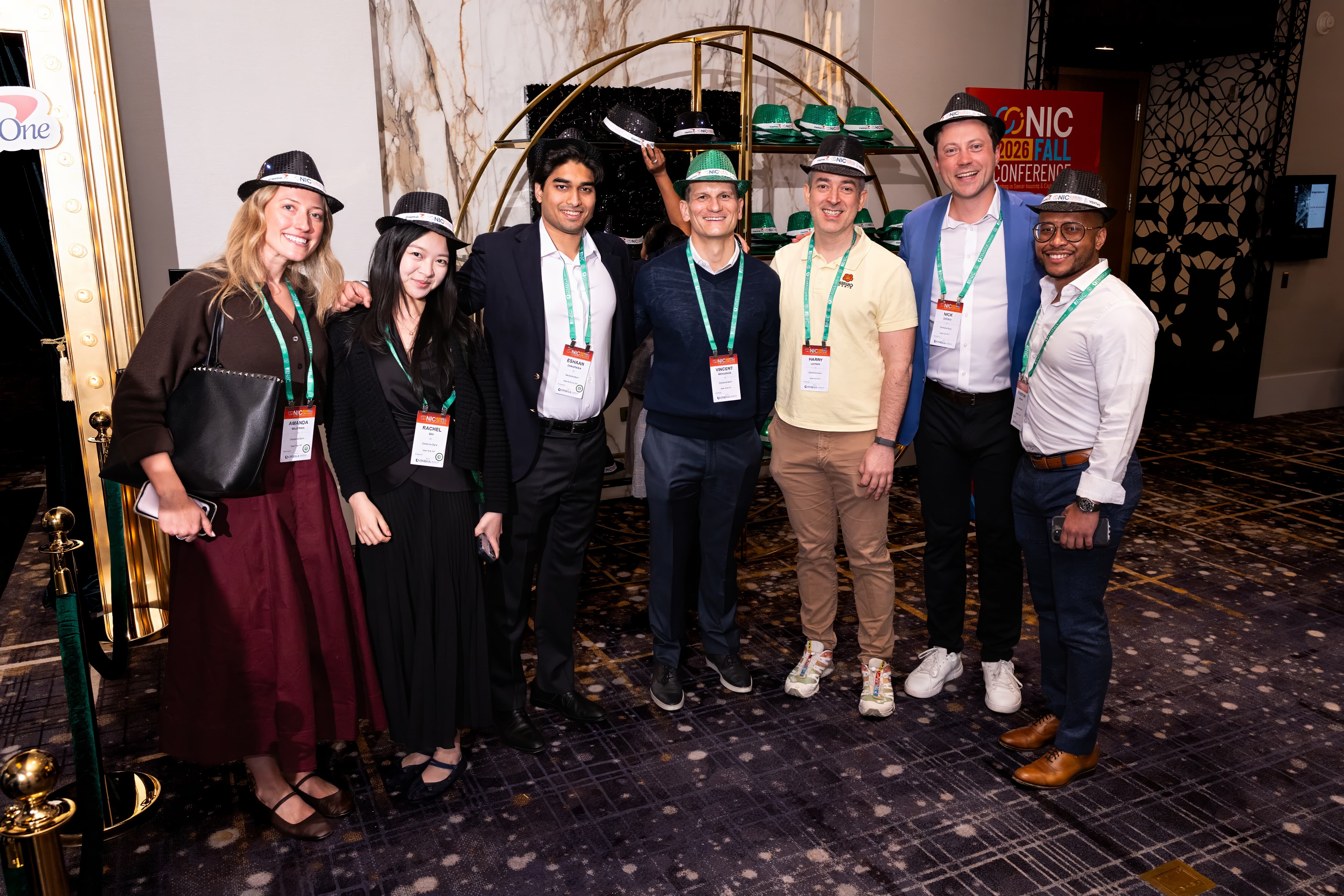
NIC CEO Ray Braun called the NIC Fall Conference the industry’s “Super Bowl,” “a place to reconnect, build relationships, exchange ideas, and yes, make some deals.” The event is built for that. There is no exhibit hall, so the time goes to relationship building, to sessions, and to the conversations that look to the future. With 63.66% of attendees holding senior-level executive positions, the conference offered direct access to experienced leaders and key decisionmakers from across the industry.
The program itself is volunteer built. NIC Fall Conference program committee co-chairs Joe Daniels and Tana Gall led a group of volunteers who curated the sessions, and Segarnick noted that nearly 99% of NIC volunteers say they would recommend the experience to someone else. Between sessions, the welcome reception, the Women’s Networking Reception, the First-time Attendee Reception, and the networking reception, attendees had ample structured ways to reconnect and make new contacts.
Where the Conversation Goes Next
NIC’s role is to supply independent data, bring the right people into the same room, and keep the hard questions in front of the people who can act on them. The week’s sessions showed what that looks like: insights on the changing customer and the middle market grounding the debate, and operators, investors, and economists pressure-testing one another’s assumptions.
Segarnick put the shift this way: “The real estate case is made. The case in front of us now is the human one.”
Continue the Conversation in Dallas
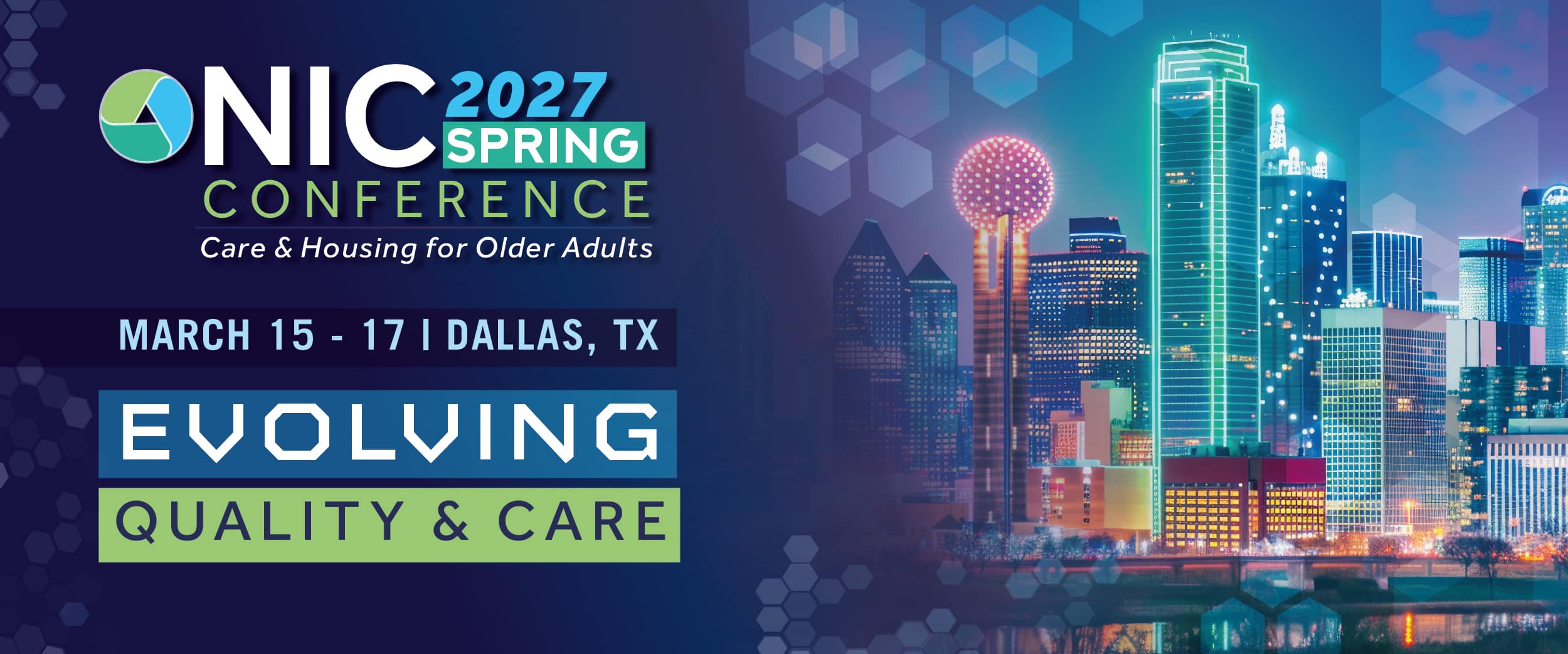
The 2027 NIC Spring Conference takes place in Dallas, March 15 to 17. It will debut a new operator showcase in which five operators pitch their growth strategies to capital providers in a single hour. Join the waitlist.