Future Leaders Council Celebrates Graduates and Welcomes New Members
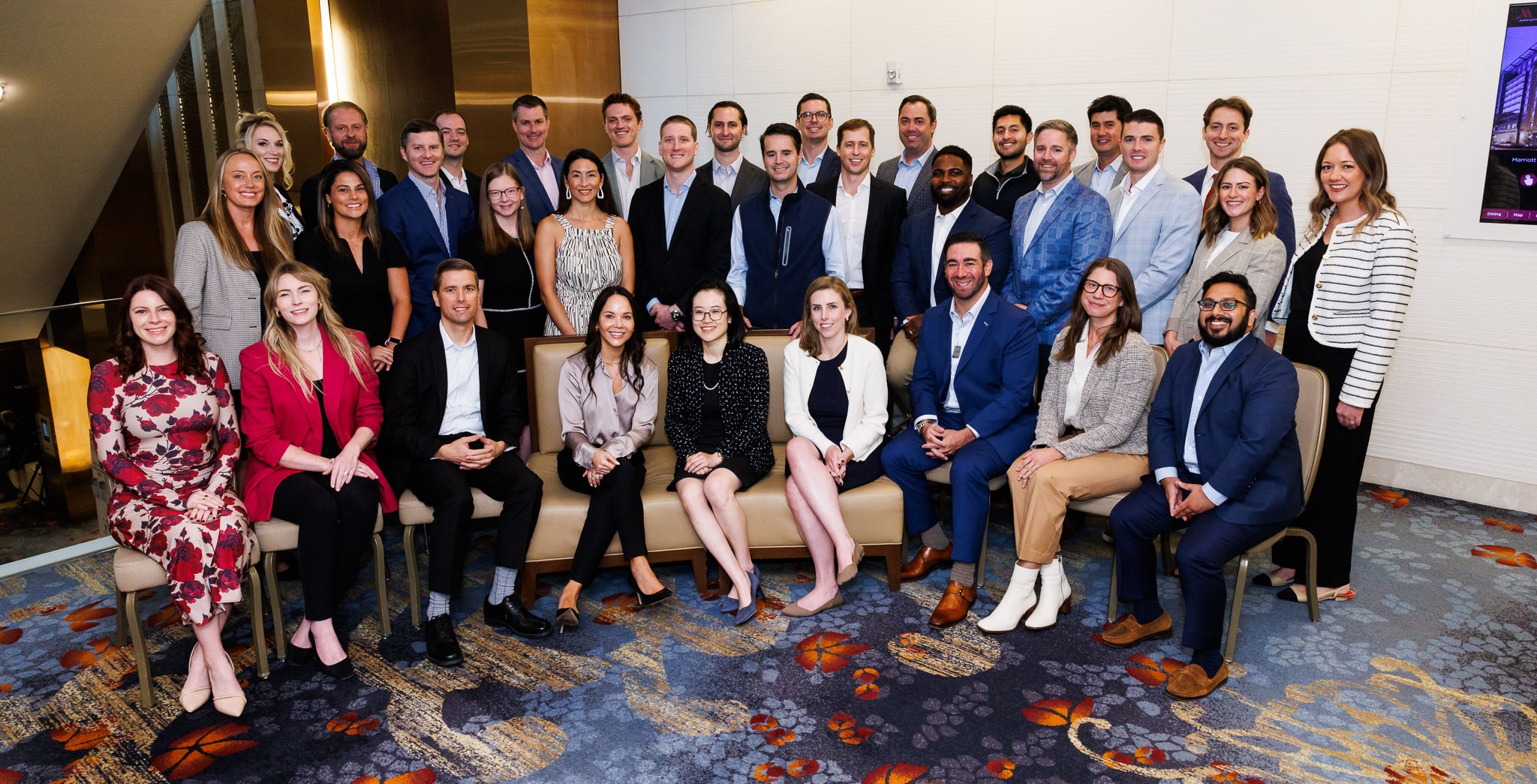
NIC wishes to congratulate the following Future Leaders Council (FLC) members who graduated at the Fall Conference in Washington, DC. These volunteer leaders directly contributed to NIC’s mission throughout their term by actively participating in strategic initiatives, serving on committees and creating and delivering valuable content.
Craig Ahlstrom, Jr. – Chief Operating Officer, Avista Senior Living
Holly Ballarotto – Assistant VP for Growth, Rowan University
Matthew Derrick – Managing Director, Confluent Development
Emma Rosen – Director of Acquisitions, RSF Partners
Mike Segal – Executive Managing Director, Blueprint Health Care Real Estate Advisors
Jennifer Wong – Director, AEW Capital Management
“I am proud of NIC’s commitment to developing rising talent and am grateful to the FLC members for their passion and dedication to the industry and our organization,” said Raymond Braun, NIC’s president and CEO. “I congratulate the graduates and look forward to working with them in future volunteer roles.”
In addition to celebrating this year’s graduates, NIC also officially welcomed the new FLC class:
Brooks Blackmon – Executive Managing Director, Blueprint Health Care Real Estate Advisors
Kloie Catizone – Managing Director, CIBC Bank USA
Michael Cregan – Vice President, CBRE Capital Markets
Ilya Gaev – Partner, HealthTrust
David Jennings – VP Investments, Atria Senior Living
Jessica Lopez – Vice President of Operations, HumanGood
Mike McMillen – EVP, Sales, SafelyYou
Molly Odgers – VP, Relationship Manager, BOK Financial
Joseph Pohlen – CEO, Cardinal Senior Living
Hasaam Sheikh – Director, Strategic Operations, US Heart and Vascular
The 2024-2025 FLC Leadership Team is charged with inspiring their fellow industry innovators and collaborating with NIC staff to coordinate the Council’s efforts over the next year.
Chair: Madisen Medley — Vice President, Business Development, Merrill Gardens
Vice Chair: James Estes – Vice President, Asset Management, Sunrise Senior Living
Vice Chair: Brittany Spicer – AVP, Business Development, National Health Investors
NIC is grateful to all FLC members and their supporting organizations for their commitment to professional development and dedication to NIC’s mission to enable access and choice.
Growing Prevalence of Memory Care in Life Plan Communities
Most are well-aware of the statistics related to the growing prevalence of cognitive decline among older adults throughout the U.S. Alzheimer’s disease is the sixth leading cause of death overall and fifth leading cause of death for Americans aged 65 and older. An estimated 6.9 million Americans aged 65 and older have Alzheimer’s in 2024, with 5.0 million of them aged 75 and older. It is no surprise that senior living organizations are playing an increasingly important role in providing supportive housing and care for older adults with varying degrees of cognitive impairment. This article specifically focuses on the memory care segment within Life Plan Communities (LPCs), an offering that has grown steadily across the past decade.
In the second quarter of 2014, roughly 3% of the total LPC units were devoted to memory care across the NIC MAP Primary and Secondary Markets. In the second quarter of this year, that number was 4.2%. Across the past year alone, the total number of memory care units within LPCs grew by 1.4%. While that year-over-year growth is below the non-LPC community types, which grew by 1.9% across the past year, that is meaningful growth.
Drivers of Memory Care Growth in LPCs
Many factors influence the decision to add or expand dedicated memory care units within a community. The first obvious trend is the growing need and demand for services for older adults who have a degree of impairment. Many LPCs may have been originally developed without a specific unit for memory care and over time, it has been deemed a clear need among the existing resident base. This need also drives expansions to existing units.
Another unfolding trend relates to the downsizing of the skilled nursing footprint. Between the second quarter of 2023 and the second quarter of 2024, the total number of skilled nursing units within LPCs decreased by 1.8%. This decline is on top of the skilled nursing downsizing and in some cases, closures, in the years prior. This downsizing of the skilled nursing footprint will often result in having space that community leaders are charged with repositioning for alternate uses. One common strategy has been to utilize that vacated space for a dedicated memory care unit. In most cases, that memory care is licensed as assisted living memory care rather than a skilled nursing memory care unit.
Memory Care Occupancy
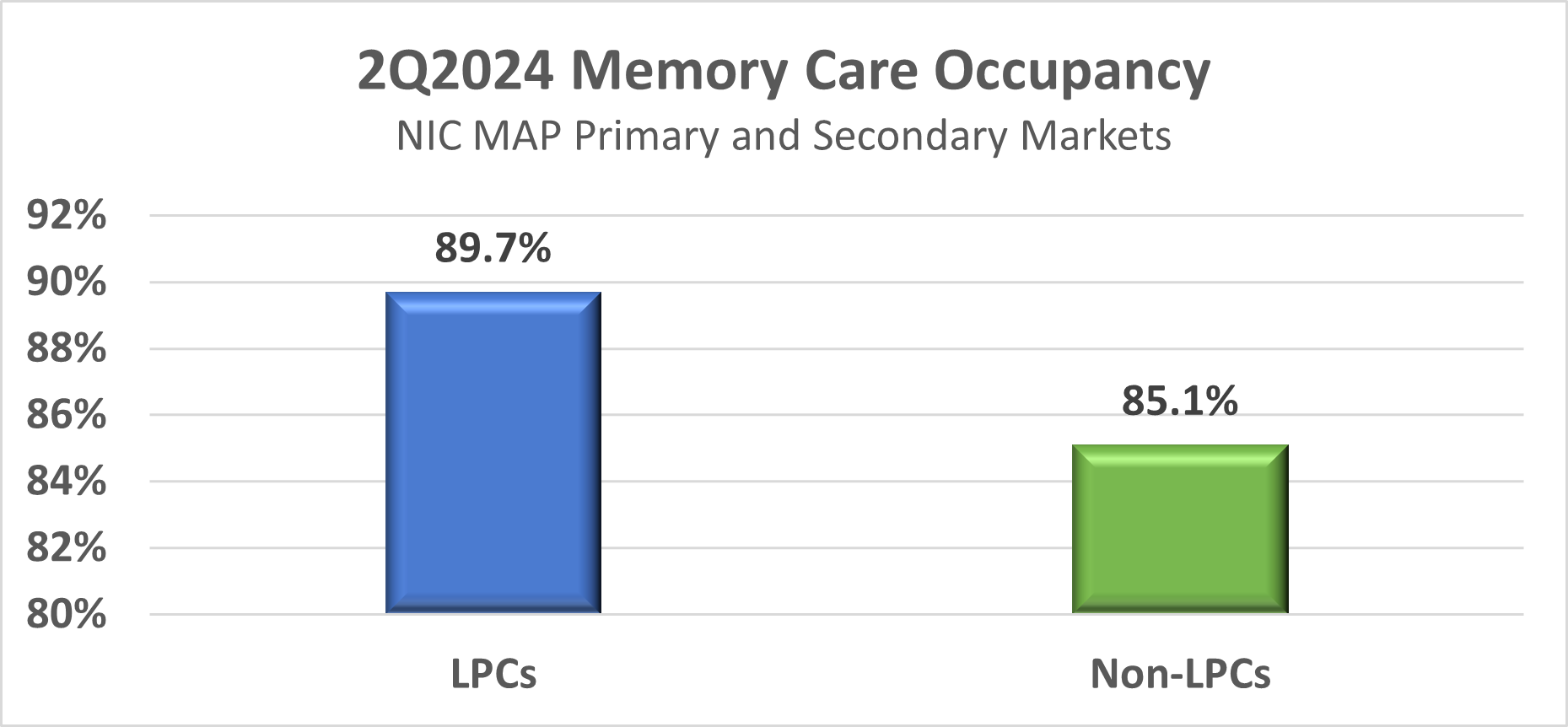
The occupancy in memory care units of LPCs follows a similar pattern to the other levels of living within LPCs in that the LPC occupancy is above the non-LPC communities. As of the second quarter of this year, LPC memory care occupancy was 89.7% compared to 85.1% for non-LPCs. That occupancy is 3.7% above one year ago for the LPCs and 2.7% above for non-LPCs. To dig even deeper, when comparing across LPC types, the memory care occupancy for entrance-fee LPCs is 90.3% compared to 88.9% among rental LPCs as of the second quarter of this year.
Source: NIC MAP data; prepared by NIC Analytics; 2Q 2024
Concluding Thoughts
Although memory care units within LPCs represent only 4.2% of the total units, they play a meaningful role in the housing and care continuum for older adults. Given recent trends and momentum, it is anticipated that these unit counts will increase over the next several years as LPCs evolve to meet the demands of the Baby Boomer population. This growth in a community’s physical footprint must be accompanied by intentional design elements, robust workforce training and innovative programming that is supportive of the unique needs of this population. NIC will continue monitoring this segment’s growth and share additional data insights as they become available.
Fee Stubblefield Leads NIC’s Capital for Operations Committee to Find Ways to Finance and Invest in Operations
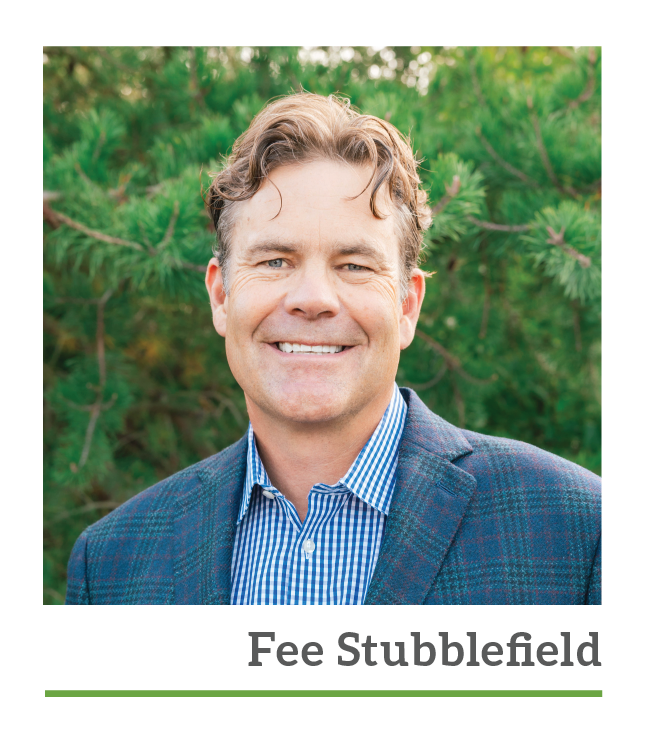
NIC’s Strategic Plan includes objectives to ‘expand the tent’ across five key focus areas – Active Adult, AgeTech, Capital for Operations, Middle Market, and Partnering for Health. Focus Area Committees (FACs) were formed to support these efforts. The Capital for Operations Committee is led by Chair Fee Stubblefield, Founder & CEO of The Springs Living. I had a chance to talk with Stubblefield and hear his thoughts about this important committee.
How did you first get involved with NIC as a volunteer?
I have been attending NIC Conferences since 1997 and started volunteering as a member of the Operator Advisory Board in 2018.
You are the chair of the Capital for Operations Focus Area Committee. Can you tell us about the composition of the committee?
The Capital for Operations Committee is a diverse group of capital and operators passionate about finding new ways of understanding, supporting, and providing capital. The fifteen committee members have various backgrounds and experiences in all aspects of senior housing and care, which enables us to engage in robust discussion as we work together over the next two years. We have organized the committee into three sub-committees working to create a glossary for Capital for Operations, understand how other industries have evolved and structure agreements with operations, and finance cash flow in operations which is separate from real estate financing.
Why do you think it’s important for NIC to focus on Capital for Operations?
Even the largest capital provider cannot afford to own buildings without paying customers and its operations that access the financial resources of the customer. Simply said, no quality operations, no quality returns. The industry has relied on real estate to finance much of the capital structure, but senior housing and care must find ways to finance and invest in operations as growth accelerates in the decade ahead.
The Capital for Operations effort is not only about enhancing sources of capital for operations but it’s also about the recognition that operations matter. In fact, the real estate values are inexplicably tied to the quality of operations and the key for fulfilling our promises to not only older adults but to our capital providers.
What does the Capital for Operations Committee aim to accomplish in the next year?
Creating clarity around Capital for Operations is the number one goal. Along those lines, we want to get a general agreement on definitions around Capital for Operations. In addition, we aim to submit recommendations for Capital for Operations content to the Conference Program Committees, research, data, and analytics to the Research Committee, and educational and training programs that NIC can offer through NIC Academy.
Interested in Capital for Operations? Be sure to attend Fee’s discussion with Pete Stavros, Founder and Chairman of Ownership Works – Creating Shared Success: Investing in an Ownership Culture at the NIC Fall Conference in Washington, D.C.!
Assisted Living Medicaid Waivers Expand Access and Choice
We know that Medicaid is the safety net funding source to cover skilled nursing care and room and board when no other payment options exist. The typical daily rate, about $250 per day for nursing care, reimburses providers for room and board, skilled nursing care, personal hygiene supplies, meals, and medications.
What if those services could be delivered appropriately in a lower-cost setting, such as assisted living? Would it not make sense for care costs to be as low as possible for the Center for Medicare & Medicaid Services (CMS) and Medicaid?
Medicaid does not cover room and board costs for assisted living. The exception to this is the Medicaid assisted living waiver program. Many states offer Medicaid waiver programs that help defray the costs of assisted living. Medicaid’s home- and community-based waivers are programs that help Medicaid beneficiaries receive long-term care services and support in assisted living communities or other settings.
As of 2024, 46 states and Washington D.C. offer some level of assistance in the form of waivers for individuals in assisted living or other forms of non-nursing care. Among each of the states, however, wide variation exists in terms of the waiver structure, reimbursement level, and general effectiveness. One aspect that is common across states is that the waivers almost always have enrollment caps in place and because of these caps, waiting lists are unfortunately commonplace.
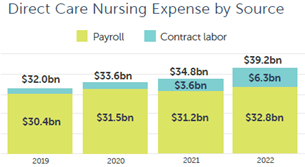
At the same time, skilled nursing communities are experiencing rising expenses nationally, with labor costs significantly impacting the industry. From 2019 to 2022 alone, skilled nursing care communities’ direct care nursing expenses increased by almost 25%.
(Source: CliftonLarsonAllen, SNF Cost Comparison and Industry Trends Report, 2024)
A 2023 KFF survey revealed that no states were looking to freeze or reduce Medicaid rates, but that some states – Pennsylvania, Texas, Illinois, Missouri, and North Carolina – were examining Medicaid rate methodologies and potentially rebasing rates in response to unsustainable economic trends.
(Source: CliftonLarsonAllen, SNF Cost Comparison and Industry Trends Report, 2024)
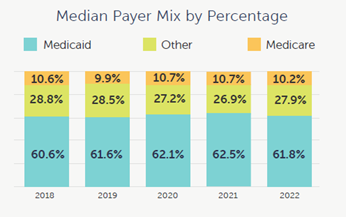
Additionally, Medicaid beneficiaries account for more than 60% of skilled nursing patient days. With care costs rising and a deep penetration of Medicaid beneficiaries residing in skilled nursing settings, assisted living waiver programs could be seen as a bulwark against rising care costs in skilled nursing.
Assisted living communities have experienced an increase in resident acuity over the last decade and have demonstrated that they are increasingly equipped to deliver high-quality and effective healthcare to their residents. But still, not every Medicaid beneficiary will be appropriate to take advantage of these state-by-state assisted living waivers. For the Medicaid beneficiary who needs only moderate care services, having access to assisted living waivers can be a game-changer. In a paper published in June 2024, “We Need to Rethink Nursing Homes,” authors Farber and Shah estimate that roughly 20% of nursing home residents actually need access to affordable housing.
While many Medicaid beneficiaries in nursing homes are there because their income limitations and physical needs require it, there are indeed those who are simply there because they cannot afford private pay assisted living and are unable to live on their own in the greater community. For the Assisted Living Waivers to be successful, there needs to be alignment between operators’ expenses and the state-based reimbursement levels. Assisted living operators need to be appropriately compensated for the room and board costs that are incurred to bring forth optimal alignment.
For CMS, expansion of the Assisted Living Medicaid waivers may contribute to reduced Medicaid spending and a more efficient use of Medicaid dollars. For skilled nursing operators, this may translate into fewer residents whose care needs do not warrant full-time residency in a skilled nursing setting. For the beneficiary, this could mean living in a more appropriate care setting for their care needs.
Industry Legacies: Parents Pass the Baton to the Next Generation: A Conversation with Susan Barlow and James Klobe
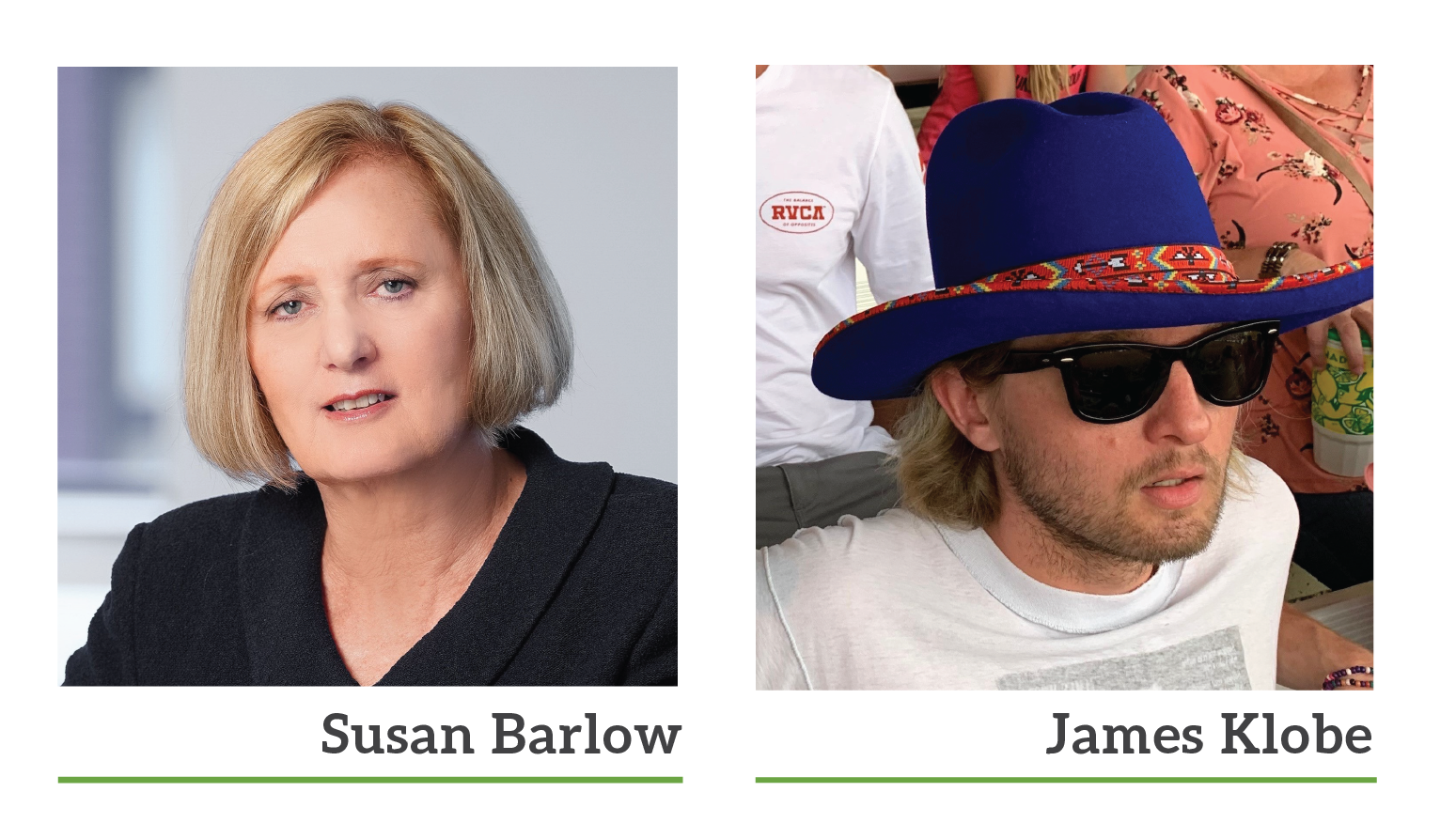
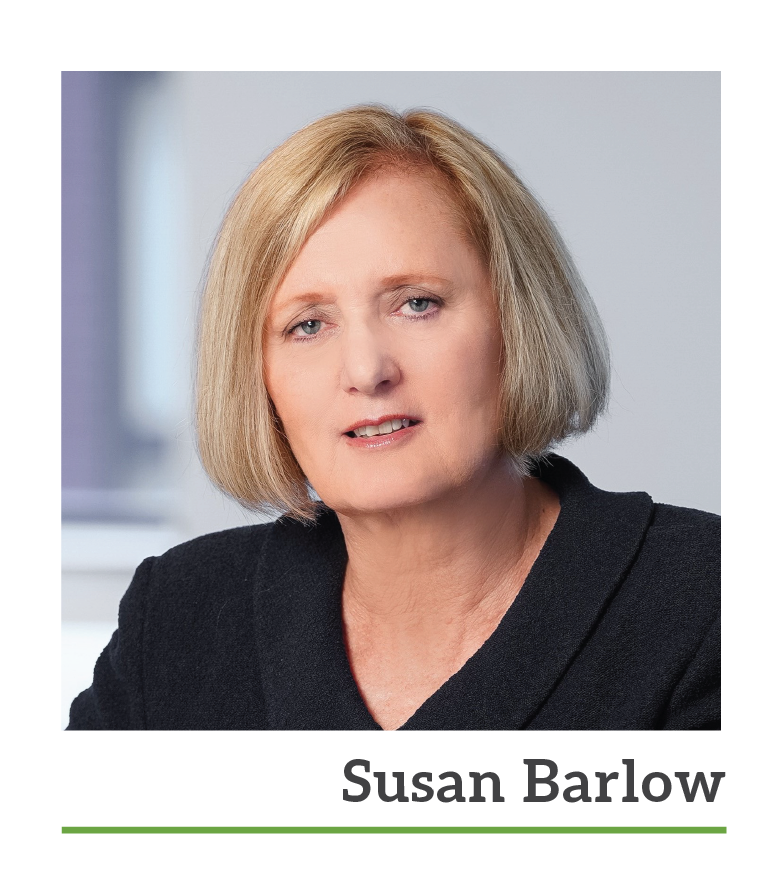
This article is the fifth in a series showcasing parent/child dynamics across the senior housing and care industry. My conversation with Susan Barlow and her son, James Klobe, offers insights into why this is becoming a common trend.
Tell us about your background.
Susan Barlow: My background is in the institutional investment world where I started out working as a consultant advising large pension funds on their real estate programs. I went from doing that to raising capital for new entrants after I learned there were a lot of groups who wanted to raise capital but didn’t know how to navigate the process. For a long time, I had my own business where I raised capital for new entrants, or emerging managers as we call them now.
I met my partner Kathy Sweeney through a mutual connection at the California Public Employees’ Retirement System. She sensed we’d be a match considering my skills at raising capital, and Kathy’s need to raise funds for senior housing. After appearing on a CREW (Commercial Real Estate Women) panel together, Kathy and I shared a cab back to the airport. From that car ride, Blue Moon Capital Partners was born.
I didn’t know anything about senior housing, but I knew that given the demographics it would be important for pension funds to get involved with this sector. Public pension funds are great long-term partners because their cost of capital is less and they are generally kinder, gentler, and not trying to take the last dollar off the table.
Ten years in, Blue Moon has 35 communities (independent, assisted, memory care) with nine different operators.
James Klobe: For years, my mother tried to suggest different opportunities within the senior care industry to me. They didn’t feel attractive at the time, so I just continued working in miscellaneous jobs—bartending, cooking in restaurant kitchens, and retail sales. Eventually, the bartending hours took their toll, and I began looking for a change.
My mom had heard about a community here in Brooklyn and saw that they had a really gorgeous space and offered great amenities. I perused the community’s website and immediately noticed their robust activities program. I applied online and interviewed for a kitchen job soon after. I was particularly interested in their activities programs, but incorrectly assumed I would need some sort of background in education to help on that end. It turns out they had an open position in the department, so I pivoted right then and there. I’ve enjoyed it for the last year and a half.
Do you talk about your work in the industry or try to keep your personal and professional lives separate?
James: I grew up hearing a lot of chatter about my mother’s profession that I didn’t really understand at the time. Now that I’m in the industry, we can really talk shop. It’s been great having her as a sounding board because she truly understands this world.
Susan: I’ve never said ‘I told you so’ but I knew the industry would be a great fit for James and I’m so happy it worked out. At first, James was strongly opposed to my suggestions that he should consider senior housing career opportunities. Watching him go from that sentiment to loving it has been fun for me. He brings so many incredible skills to his position and it’s gratifying to see that he’s getting so much out of it, too.
It’s also been valuable for me to get his perspective as someone on the frontline. As a capital provider, I don’t often get that insight, especially as our industry rapidly evolves.
Susan, where do you see this industry going in the future?
Susan: I think prior to this capital market disruption we were able to rely on the cheap debt that was available in the market. We don’t have that anymore, so we must focus on improving operations. There’s a huge opportunity to do that through technology, better operational practices, and generally engaging with the workforce to run a better business.
Again, having that lens into how the frontline worker views what’s happening and what needs to change is critical. The more that we can make their jobs easier—through less required reporting and tech advancements that allow them to spend more time with residents—the better. It’s also essential that we identify high quality team members and provide them with career paths.
James, what do you see for the future of the resident experience?
James: From my perspective being on the frontline five days a week, I would like to see an increase in wages. Compensation for nurses and aids is particularly disappointing. Their work is more than changing, showering, and feeding. More times than not, they’re comforting residents and creating a calm environment, which is challenging. There’s so much not in our job descriptions that we do.
For example, just the other day we brought a resident who was having a bad day down to a concert. Once the music started, she got up from her wheelchair to dance. It’s those type of moments that make it really special for me, but a lot of the time we’re short-staffed because of turnover. It can be difficult to give that kind of emotional attention when we’re too busy confronting the day-to-day challenges that come with resident care.
Susan: James and I have talked about this at length. Sometimes, as capital providers, we’re looking at a lot of spreadsheets and there are numbers on the pages and there’s discussion about the frontline worker almost as if they’re interchangeable with someone working in fast food, but then you think about the actual job you’re asking them to do. To think of them as if they’re interchangeable with other industries is something that needs to be addressed. We have a big ask of our people at the communities and I’m not sure we’re fulfilling our promise to them.
We need to rethink the model— is it lower cost of capital? Does the acquisition environment allow us to rethink how all these pieces come together? I’m sharing James’ experience around the Blue Moon table and people are shocked. Even my partner Kathy who’s been in this business for 30 years is getting a view into the business that she didn’t have before.
What advice do you have for the next generation?
Susan: My hope is that there are more Jameses and Jasons entering the industry to help us make it better. The compassion and perspective you both bring are unmatched. How we care for the frailest members of society says a lot about us. We need to do a better job.
James: I think it’s important to remember that this is a business of care, not a real estate venture.
What advice do you have for the previous generation?
James: For people in my mom’s position, it’s easy to be distracted by bottom lines and numbers on a piece of paper. But it’s a mistake to overlook the compassion that’s required in the day-to-day care of residents.
How can we get more young people involved in the industry?
Susan: I think we’re on the cusp of making some changes that make it more appealing. Focusing on operations and making community connections appeals to younger generations. We need to show young people that they can have a solid career that balances mission with being able to afford a good life for themselves.
Additionally, getting the word out to schools about industry opportunities and having good young people out there like Jason and James waving the flag is enormously helpful.
James: I hate to keep coming back to wages. It’s unfortunate to watch excellent employees who love the work leave because the job is not financially sound.
At the end of the day, it’s an incredible, fulfilling industry to work in. I go home feeling like I’ve really accomplished something.
*Interviews edited for length.
We use cookies on our website to give you the most relevant experience by remembering your preferences and repeat visits. NIC's privacy policy can be viewed here. By clicking “Accept”, you consent to the use of ALL the cookies.
This website uses cookies to improve your experience while you navigate through the website. Out of these cookies, the cookies that are categorized as necessary are stored on your browser as they are essential for the working of basic functionalities of the website. We also use third-party cookies that help us analyze and understand how you use this website. These cookies will be stored in your browser only with your consent. You also have the option to opt-out of these cookies. But opting out of some of these cookies may have an effect on your browsing experience.
Necessary cookies are absolutely essential for the website to function properly. This category only includes cookies that ensures basic functionalities and security features of the website. These cookies do not store any personal information.
Functional cookies help to perform certain functionalities like sharing the content of the website on social media platforms, collect feedbacks, and other third-party features.
Performance cookies are used to understand and analyze the key performance indexes of the website which helps in delivering a better user experience for the visitors.
Analytical cookies are used to understand how visitors interact with the website. These cookies help provide information on metrics the number of visitors, bounce rate, traffic source, etc.
Advertisement cookies are used to provide visitors with relevant ads and marketing campaigns. These cookies track visitors across websites and collect information to provide customized ads.