2024 NIC Fall Conference: Navigating the Crossroads  

Senior living’s premier event energizes and motivates enthusiastic attendees.  

At a time when the senior living industry faces rapid advancements and shifting market dynamics, the 2024 NIC Fall Conference delivered three days of strategic networking, timely high-profile speakers, and educational opportunities.   

Taking place just weeks before the 2024 election and after a long-awaited interest rate cut, the conference offered attendees broad perspectives from top-tier political, economic, and industry experts. The well-attended educational sessions reflected the conference theme: Navigating the Crossroads: Insights for Strategic Choices.   

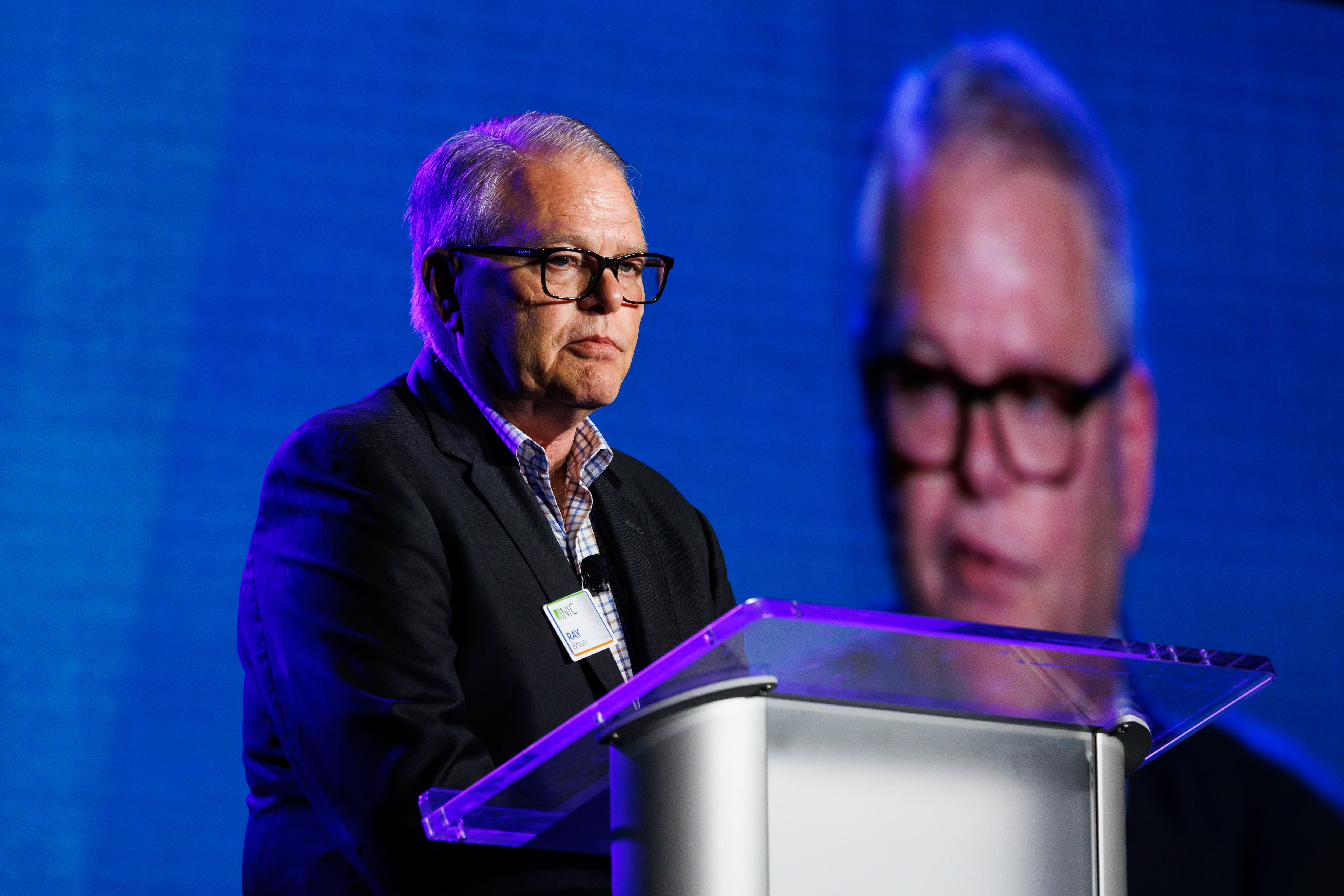
“This year’s conference was designed to help industry stakeholders navigate key decision points,” said NIC President and CEO Ray Braun. “The conference provided practical insights for making strategic choices while creating lasting connections and innovative idea exchanges.” 

Recognized as the industry’s annual flagship event, the 2024 NIC Fall Conference was held September 23-25 at the Marriott Marquis, Washington, D.C. Almost 3,000 people participated in the event. 

The conference featured 11 main stage sessions offering timely insights on emerging trends and critical issues for the sector, including the state of the capital markets, the evolving active adult and middle market segments, and a roadmap for the acquisition and deployment of cutting-edge technology. Attendees dove into the details during Innovation Labs—interactive, workshop-style sessions that provided actionable strategies to be implemented back at the office.  

Highly recognized speakers delivered compelling keynote addresses to a full ballroom.  

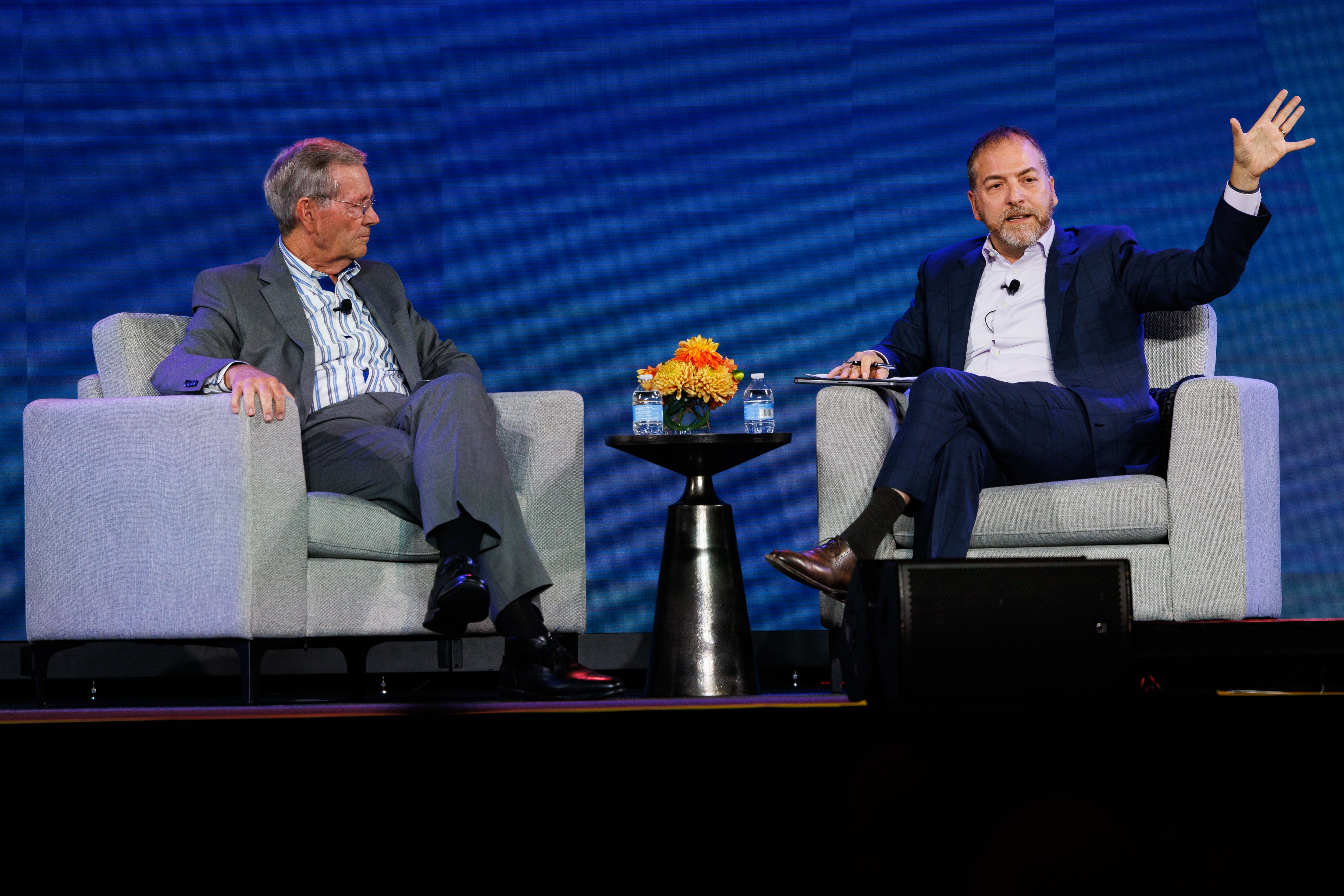
NBC’s Chief Political Analyst Chuck Todd was featured in a discussion of likely policy and regulatory changes in the aftermath of the 2024 election. He was joined on the main stage by Mike Leavitt, former Utah governor and Secretary of Health and Human Services. While the pair declined to predict a winner of the presidential race, they agreed that the branches of government would probably remain divided.  

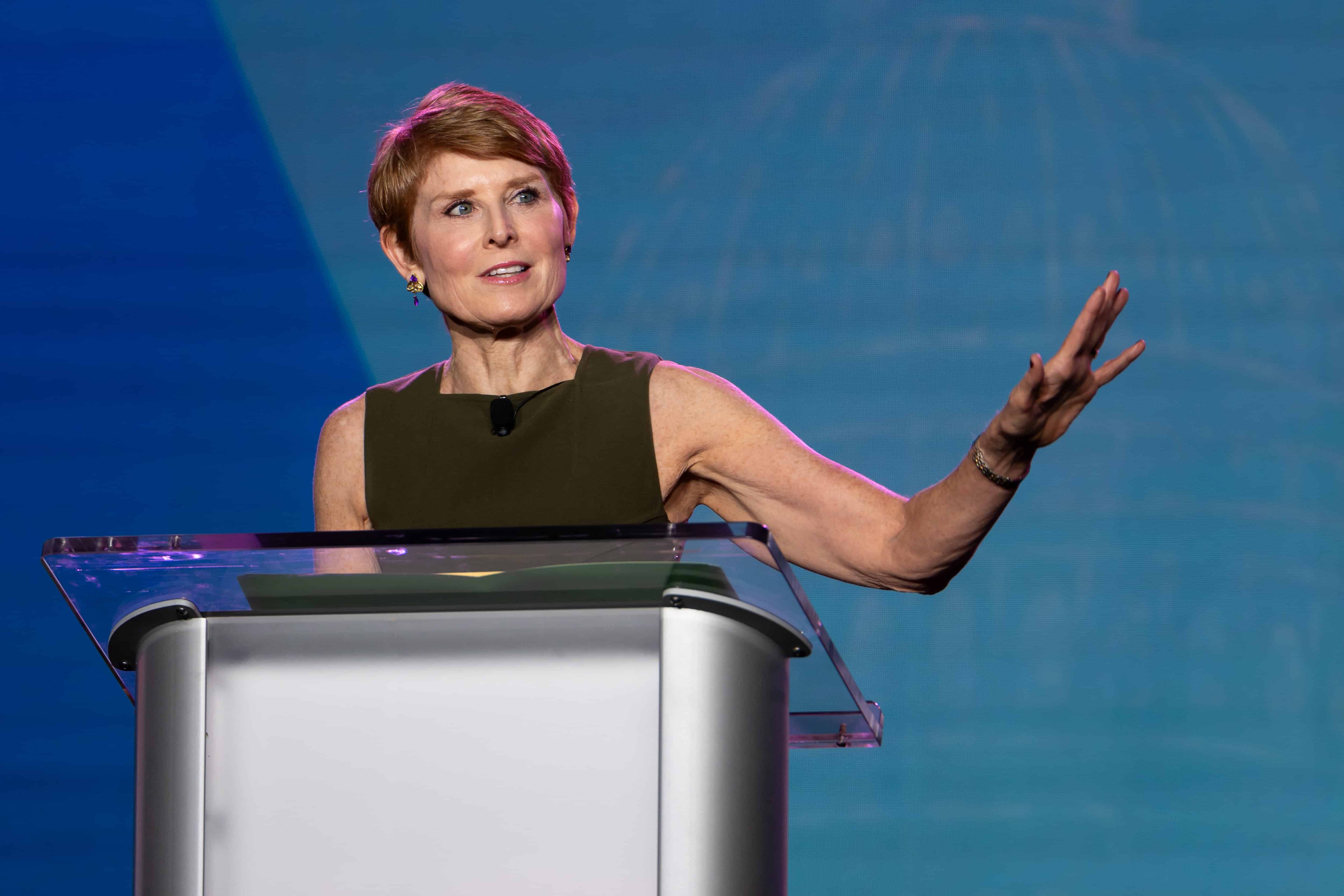
A timely economic outlook was presented by Diane Swonk, chief economist at KPMG and globally recognized advisor to policy makers. She methodically guided attendees through the metrics that will impact the senior living industry as the Federal Reserve adjusts its policies. Bottom line: Swonk expects another interest rate cut after the election and additional cuts in 2025.   

Amid continuing workforce challenges, several sessions focused on employee retention. Pete Stavros, founder of Ownership Works and a partner at private equity firm KKR discussed his mission to advocate for employee ownership of business. At a separate session, “Happy Teams, Healthy Returns,” panelists highlighted resident and employee engagement programs that boost profits.  

Other educational sessions—also focused on key industry issues—were well attended and well received. 

A panel of stakeholders in the growing active adult segment shared key lessons from the first wave of new development and how the product is likely to evolve in response to consumer demand.  

NIC Co-Founder and Strategic Advisor Bob Kramer introduced the session on the opportunity for middle market senior housing. Recognizing the huge need for housing and services to support middle-income seniors, Kramer said, “Our industry has to be part of the solution.” The panelists provided examples of successful middle market business models.  

A session on technology tackled the puzzling questions on how to evaluate and deploy the best solutions. Innovative approaches were detailed as well as what’s ahead, including the role of AI in operations. “AI will eventually become ubiquitous,” said Arick Morton, CEO of NIC MAP Vision.  

Other conference highlights include: 

  • A signature session on the capital markets addressed the recent interest rate cut and implications for the industry including debt financing, transaction volumes and valuations. Panelists agreed that the credit logjam is starting to ease.  
  • NIC Head of Research & Analytics Lisa McCracken led a panel of experts on the investment outlook for senior living as demand from aging baby boomers begins to outstrip the supply of inventory. Panelist Dianne Munevar, of NORC at the University of Chicago, previewed new research demonstrating the value of senior housing, specifically, the potential for senior housing operators to impact the overall cost of care for older adults.  
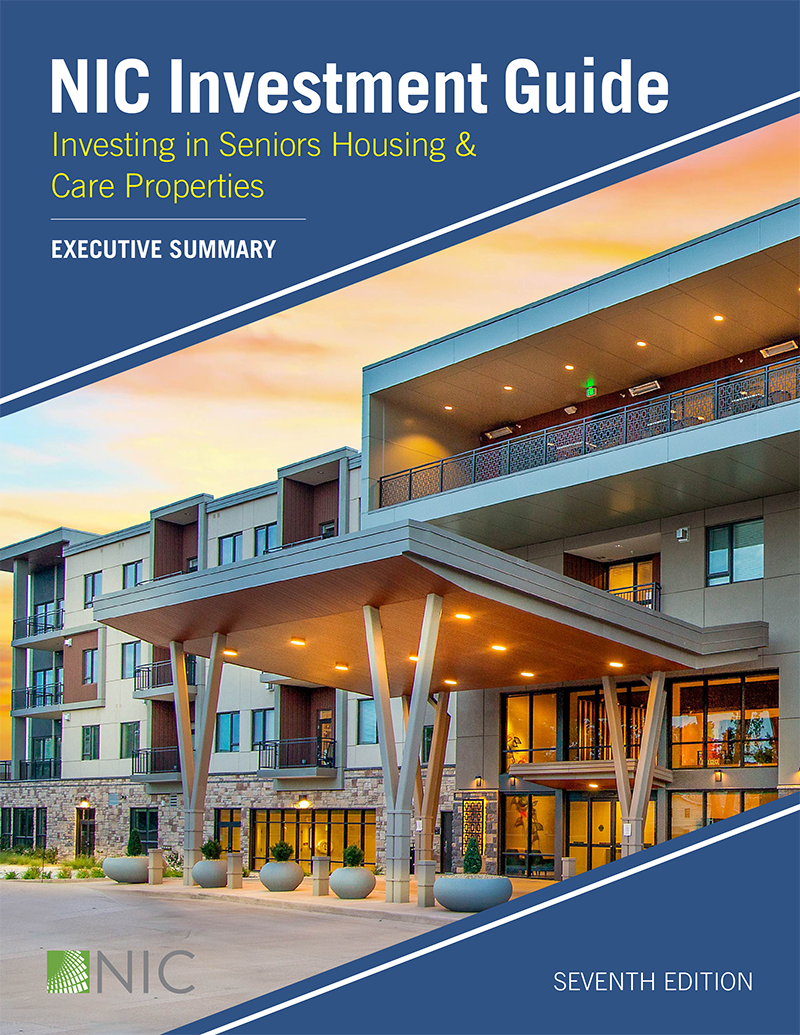
  • The new 7th edition of the NIC Investment Guide was introduced at the conference. The Guide is the most comprehensive review of senior living and the investment opportunities in the sector. The 7th edition provides insights based on data into 2024 and now includes detail on the active adult segment. 

Building Connections and Expertise 

C-suite and executive decision makers comprised 75% of attendees, with an even mix of operators, developers, and capital providers represented, supporting conversations to advance NIC’s mission to promote housing access and choice for older adults.  

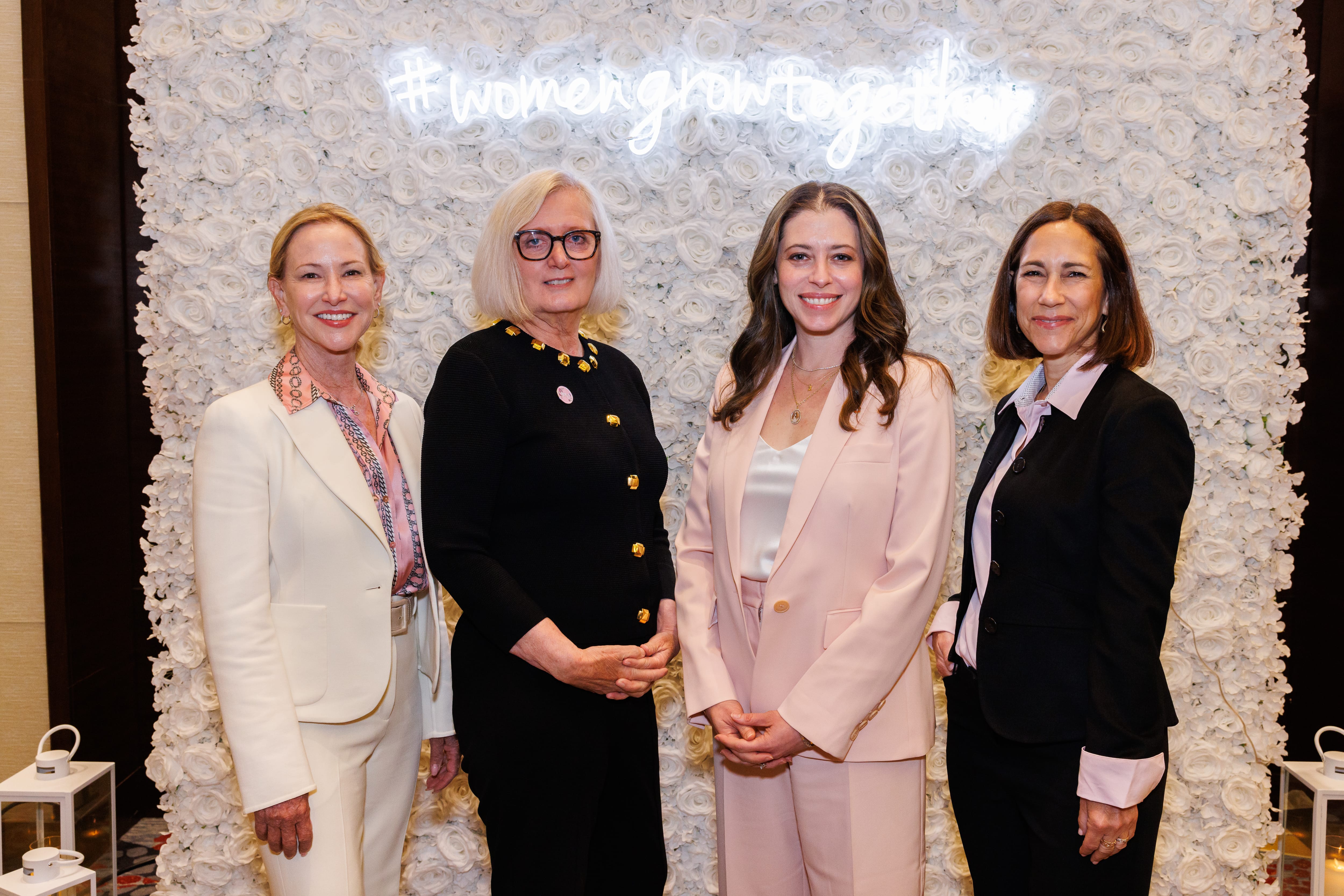
Attendees enjoyed multiple daily, formal and informal, networking opportunities, including a Women’s Networking Meet-Up bringing together several hundred women who exchanged ideas and made connections.  

NIC Board Chair Susan Barlow of Blue Moon Capital Partners kicked off the Women’s Meet-Up, introducing guest speaker Lauren Miller Rogen, a film producer and the wife of comedian Seth Rogen. The couple has produced a highly anticipated documentary, Taking Care. The film follows the course of Lauren’s mother’s early onset Alzheimer’s disease and the family’s struggle to cope with the situation. 

“It was a nightmare. We didn’t know what to do,” said Lauren. “Then we realized we had an opportunity to share our story to help others.” An exclusive preview of the film was shared with all conference attendees during a main stage session the next day.  

A skilled nursing bootcamp was held on site during the conference with a record-high number of participants. Participants analyzed a case study on whether to buy, sell or hold a nursing home property. The bootcamp is part of the NIC Academy which offers programs for senior living and care professionals. The Certified Senior Housing Investment Professional (CSHIP) program includes specialized courses on how to underwrite senior housing properties.  

Mark your calendar! Join us at the 2025 NIC Spring Conference, March 5-7, 2025 in San Diego, CA. 

NIC investment guide executive summary cover

Now Available: The NIC Investment Guide, Seventh Edition 

Order your copy today and position yourself at the forefront of this dynamic sector, armed with the most comprehensive and up-to-date industry resource available. 

Your Essential Resource for Seniors Housing & Care Investing

NIC is proud to unveil the highly anticipated Seventh Edition of the NIC Investment Guide: Investing in Seniors Housing & Care Properties. This comprehensive publication serves as the definitive resource for anyone involved in or looking to enter the seniors housing and care sector. 

During this period of growth and change in the sector, the NIC Investment Guide provides a senior housing and care primer that investors can use to investigate opportunities, challenges, and potential risks. Those new to the sector will appreciate the introduction to senior housing’s investment characteristics, performance, leading players, and key trends.  

What’s New in the Seventh Edition 

The latest edition of the NIC Investment Guide offers: 

  • Fully updated data and insights through 2023 and early 2024 
  • An enhanced Active Adult rental section featuring key industry metrics 
  • In-depth analysis of current market trends and emerging topics 

Comprehensive Content for Operators and Investors 

For Operators, the guide provides detailed information on different community types, including: 

  • Independent living 
  • Assisted living 
  • Memory care 
  • Nursing care 
  • Continuing Care Retirement Communities (CCRCs) 
  • Active Adult Communities 

Key data points cover resident characteristics, market size, supply, occupancy rates, rental rates, operating structures, and economic metrics. 

For Investors, sections to help inform investment decisions include:  

  • Emerging trends and observations 
  • Development and capital spending trends 
  • Overview of debt and equity sources 
  • Valuations, returns, and loan performance metrics 

Additional Market Insights 

The Seventh Edition also includes: 

  • Comparison of seniors housing property investment characteristics to other commercial real estate types 
  • Detailed appendices on middle market seniors housing, technology trends, and healthcare collaboration 
  • Expanded coverage of demographic trends and alternative housing options 

Access Your Copy Today 

The NIC Investment Guide, Seventh Edition is available for purchase now in a downloadable PDF format. Order your copy today and position yourself at the forefront of this dynamic sector, armed with the most comprehensive and up-to-date industry resource available. 

Family Offices as Potential Capital Partners 

A recent article published by CNBC revealed that the number of single-family offices, which are organized entities that represent family wealth generally of $100 million and higher, is projected to rise from 8,000 to roughly 10,720 by the year 2030 based on estimates from Deloitte. The assets of these families have grown tremendously over the past several years and the overall wealth accumulation is expected to exceed hedge funds within the next 5-6 years. The article further details that the most rapid family office expansion has been in North America with growth projections at 258% between 2019 and 2030.  

Implications for Senior Housing & Care 

While invested assets can vary dramatically across family offices, a 2023 Campden Wealth report indicated that 25% of North American family offices intended to increase their allocations in real estate. For those family offices wanting to retain a certain balance of real estate investments in their portfolio, senior housing is a more favorable property type in today’s market than some others such as commercial office and residential. While there are currently no exact statistics on the number of family office investments in senior housing, those relationships do exist, and anecdotal reports reveal the potential opportunity for more.  

There is a natural alignment between family offices and operators who are looking for capital partners:  

  • Family offices are generally longer-term investors, which can provide  greater stability in the owner-operator relationship.  
  • Given their structure and autonomy, there is also often greater flexibility in how the deals and relationships are structured.  
  • While returns are important, family offices may also find the mission of senior housing and care appealing. These family offices appreciate investments that fuel meaningful work and, like many of us, they have often experienced the need to find housing and care for an older loved one, so have first-hand exposure to the sector.  

Direct family office contacts can often facilitate these relationships along with the wealth management advisors who serve the specific family offices. Those exploring family office capital may look for individual family office investments or even a pooling across more than one family office. These investments are often an equity investment, but family offices may also be a vehicle to tap into private credit. While most senior housing investments are geared towards real estate, there have been instances where the family office has invested in the operating company as well. The sector has long been seeking capital partners for operations and this could be one potential pipeline for those arrangements.  

The growth in family offices should be on the radar of those in senior housing and care. Attracting capital from family offices into senior housing can be a viable strategy given the alignment across several key goals. NIC will continue to track family office trends and work to educate family office constituents about the sector and potential alternative investments.  

Future Leaders Council Celebrates Graduates and Welcomes New Members  

NIC wishes to congratulate the following Future Leaders Council (FLC) members who graduated at the Fall Conference in Washington, DC. These volunteer leaders directly contributed to NIC’s mission throughout their term by actively participating in strategic initiatives, serving on committees and creating and delivering valuable content.     

  • Samantha Medred, Chair – CFO/Partner, HealthTrust 
  • Audrey Griffin, Vice Chair – Executive Director, Wells Fargo 
  • Craig Ahlstrom, Jr. – Chief Operating Officer, Avista Senior Living 
  • Holly Ballarotto – Assistant VP for Growth, Rowan University 
  • Matthew Derrick – Managing Director, Confluent Development 
  • Emma Rosen – Director of Acquisitions, RSF Partners 
  • Mike Segal – Executive Managing Director, Blueprint Health Care Real Estate Advisors 
  • Jennifer Wong – Director, AEW Capital Management 

“I am proud of NIC’s commitment to developing rising talent and am grateful to the FLC members for their passion and dedication to the industry and our organization,” said Raymond Braun, NIC’s president and CEO. “I congratulate the graduates and look forward to working with them in future volunteer roles.” 

In addition to celebrating this year’s graduates, NIC also officially welcomed the new FLC class: 

  • Brooks Blackmon – Executive Managing Director, Blueprint Health Care Real Estate Advisors  
  • Kloie Catizone – Managing Director, CIBC Bank USA 
  • Michael Cregan – Vice President, CBRE Capital Markets 
  • Ilya Gaev – Partner, HealthTrust 
  • David Jennings – VP Investments, Atria Senior Living 
  • Jessica Lopez – Vice President of Operations, HumanGood 
  • Mike McMillen – EVP, Sales, SafelyYou 
  • Molly Odgers – VP, Relationship Manager, BOK Financial 
  • Joseph Pohlen – CEO, Cardinal Senior Living 
  • Hasaam Sheikh – Director, Strategic Operations, US Heart and Vascular 

The 2024-2025 FLC Leadership Team is charged with inspiring their fellow industry innovators and collaborating with NIC staff to coordinate the Council’s efforts over the next year.  

  • Chair: Madisen Medley — Vice President, Business Development, Merrill Gardens 
  • Vice Chair: James Estes – Vice President, Asset Management, Sunrise Senior Living 
  • Vice Chair: Trever Sweeney — VP, Asset Management, Ventas 
  • Vice Chair: Brittany Spicer – AVP, Business Development, National Health Investors 

NIC is grateful to all FLC members and their supporting organizations for their commitment to professional development and dedication to NIC’s mission to enable access and choice.  

Learn more about the FLC here

Growing Prevalence of Memory Care in Life Plan Communities

Most are well-aware of the statistics related to the growing prevalence of cognitive decline among older adults throughout the U.S. Alzheimer’s disease is the sixth leading cause of death overall and fifth leading cause of death for Americans aged 65 and older. An estimated 6.9 million Americans aged 65 and older have Alzheimer’s in 2024, with 5.0 million of them aged 75 and older. It is no surprise that senior living organizations are playing an increasingly important role in providing supportive housing and care for older adults with varying degrees of cognitive impairment. This article specifically focuses on the memory care segment within Life Plan Communities (LPCs), an offering that has grown steadily across the past decade.

In the second quarter of 2014, roughly 3% of the total LPC units were devoted to memory care across the NIC MAP Primary and Secondary Markets. In the second quarter of this year, that number was 4.2%. Across the past year alone, the total number of memory care units within LPCs grew by 1.4%. While that year-over-year growth is below the non-LPC community types, which grew by 1.9% across the past year, that is meaningful growth.

Drivers of Memory Care Growth in LPCs

Many factors influence the decision to add or expand dedicated memory care units within a community. The first obvious trend is the growing need and demand for services for older adults who have a degree of impairment. Many LPCs may have been originally developed without a specific unit for memory care and over time, it has been deemed a clear need among the existing resident base. This need also drives expansions to existing units.

Another unfolding trend relates to the downsizing of the skilled nursing footprint. Between the second quarter of 2023 and the second quarter of 2024, the total number of skilled nursing units within LPCs decreased by 1.8%. This decline is on top of the skilled nursing downsizing and in some cases, closures, in the years prior. This downsizing of the skilled nursing footprint will often result in having space that community leaders are charged with repositioning for alternate uses. One common strategy has been to utilize that vacated space for a dedicated memory care unit. In most cases, that memory care is licensed as assisted living memory care rather than a skilled nursing memory care unit.   

Memory Care Occupancy

The occupancy in memory care units of LPCs follows a similar pattern to the other levels of living within LPCs in that the LPC occupancy is above the non-LPC communities. As of the second quarter of this year, LPC memory care occupancy was 89.7% compared to 85.1% for non-LPCs. That occupancy is 3.7% above one year ago for the LPCs and 2.7% above for non-LPCs. To dig even deeper, when comparing across LPC types, the memory care occupancy for entrance-fee LPCs is 90.3% compared to 88.9% among rental LPCs as of the second quarter of this year.

Source: NIC MAP data; prepared by NIC Analytics; 2Q 2024

Concluding Thoughts

Although memory care units within LPCs represent only 4.2% of the total units, they play a meaningful role in the housing and care continuum for older adults. Given recent trends and momentum, it is anticipated that these unit counts will increase over the next several years as LPCs evolve to meet the demands of the Baby Boomer population. This growth in a community’s physical footprint must be accompanied by intentional design elements, robust workforce training and innovative programming that is supportive of the unique needs of this population. NIC will continue monitoring this segment’s growth and share additional data insights as they become available.